


 0
0

On using creativity to foster community and solidarity among Caribbean elders
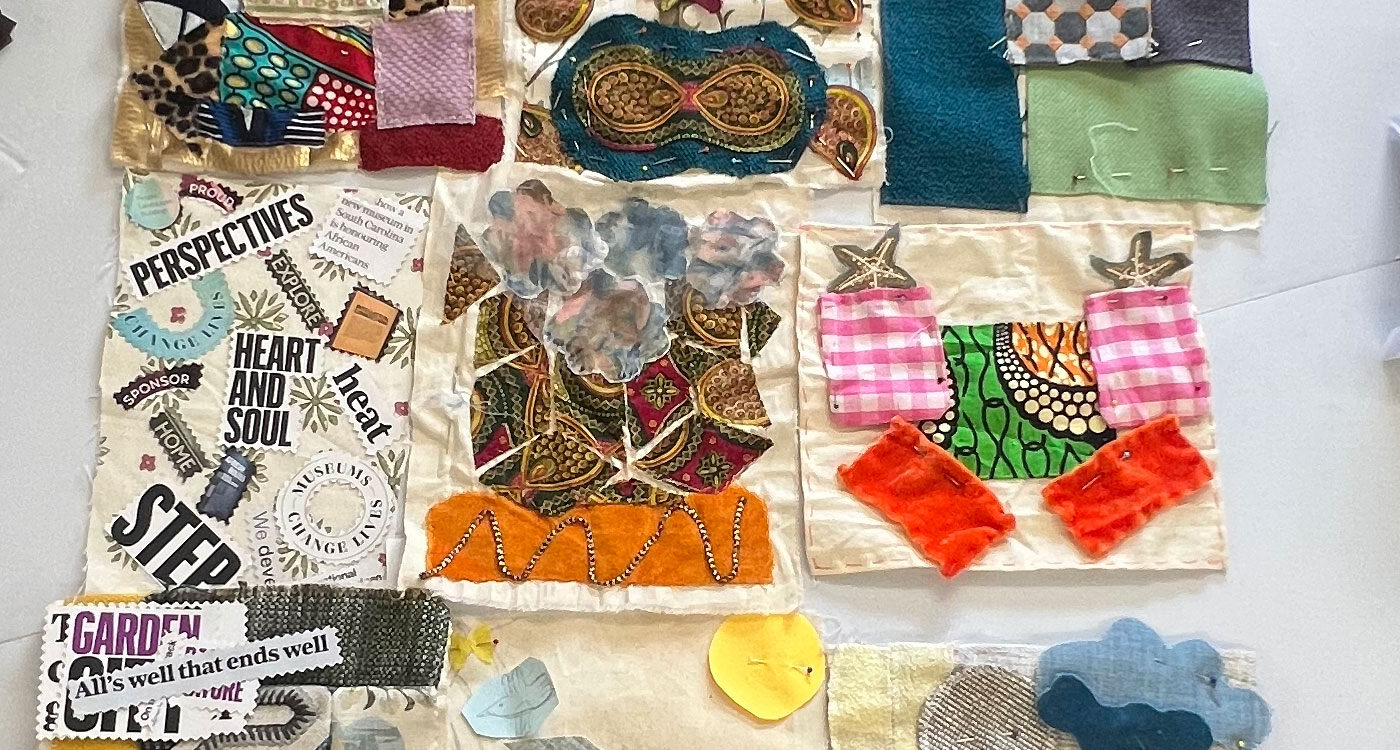
This December, Autograph and members of Caribbean Social Forum (CSF) will launch a new exhibition of work-in-progress at Lewisham Art House. The exhibition is an outcome of Patchworks of Solidarity, a collaborative textiles project led by artist Kim Chin as part of Acts of Solidarity, a wider programme bringing together local grassroots communities and artists to explore issues of identity and belonging.
Autograph have a long standing relationship with CSF, an organisation supporting the Caribbean diaspora in South London, with groups meeting regularly in Deptford and Woolwich. Ahead of the exhibition, Seth Pimlott, Engagement Curator at Autograph, spoke with Kim and with Maureen and Yvette, who volunteer with CSF.
For more about CSF’s work, watch this conversation with their founder and CEO, Pamela Franklin.
Seth: Could you share a little about Caribbean Social Forum and how you first got involved?
Maureen: I remember a flyer went round my walking group's WhatsApp channel, so I decided to come along. The first time, I came on my own and didn't know anyone, but everyone was so friendly. Lilian, who runs the Deptford group, welcomed me with a big smile, and I thought, “Yes, I'll come back here again.” Then I invited Yvette.
Maureen: My mum always had her club, and now I have my club! It was a big part of her life. I'd ask her, “Mum, what are you doing this week?” and she'd say, “I'm going on a trip.”
— “Where are you going?”
— “I don't know, I just put my name down.”
If her friends had a trip at their club, she'd go on that too. It was really about sharing information and supporting each other across the whole network of clubs.
Seth: Does CSF play the same role in your lives?
Yvette: I'd say yes. My own mum didn't go to any clubs, because she had seven children to raise. But for me, the Forum is almost like another job, especially with Maureen giving me so many things to do! I retired almost two years ago, and I sometimes feel like I haven't stopped working. Before Maureen and I joined, members in Deptford mostly sat and played games, and the trips were organised by Pamela, CSF's CEO. Now we organise more trips and activities ourselves, and many more people are taking part.
Maureen: We also run theme days. There's a day for everything in the calendar, so we've done Friendship Day, Grandparents Day, Thank You Day…
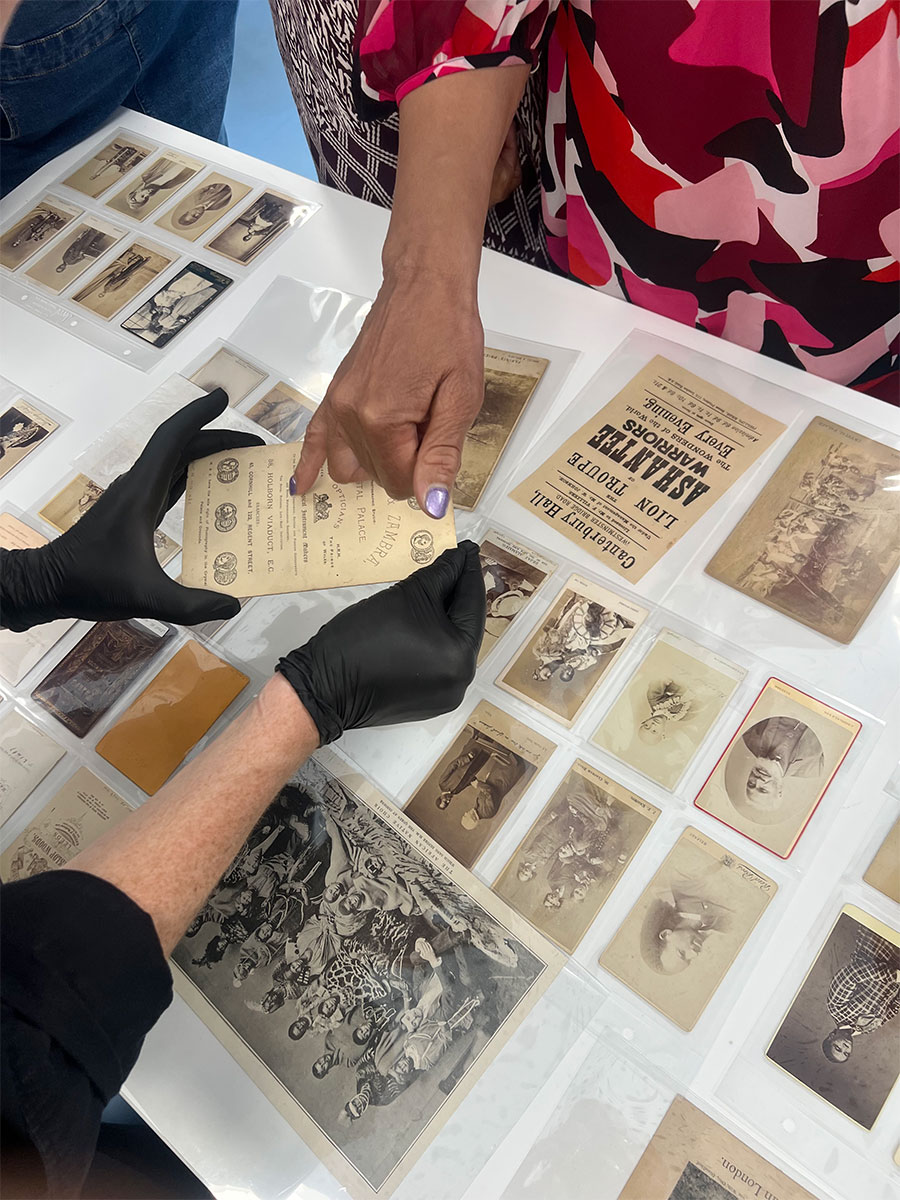
Members of CSF visit Autograph
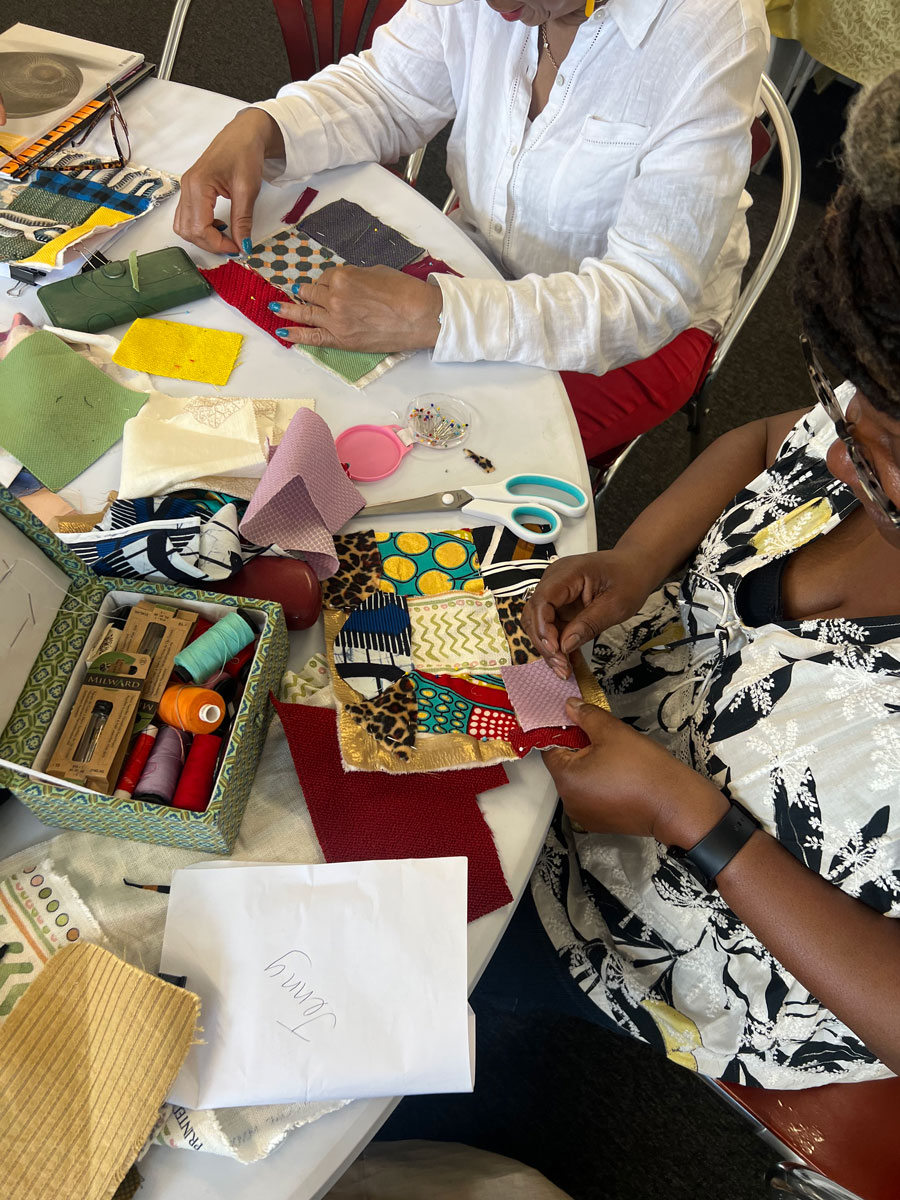
Patchworks of Solidarity workshop
Seth: Kim, could you introduce the Patchworks for Solidarity project?
Kim: Patchworks of Solidarity is a collaboration between me, as an artist, and members of Caribbean Social Forum. This year has mainly been about getting to know the group, because what happens behind the scenes is just as important as what we produce. We've been working through textiles, storytelling and conversations around objects. We’ve also taken social trips together, like going to Bath to see the Gee's Bend quilts. The aim is to widen access to art and museum spaces, led by what the group responds to. So it's not just about what I'd like to do. It's about understanding the group's pace, its capacity and what members are interested in.
Seth: What has surprised you so far?
Yvette: Watching the group develop. I've seen frustration when things haven't gone their way, and excitement when they have. There's some competitiveness, too! Someone will see what another person has made, look back at their own piece and decide, “I need to step it up. I wasn't really thinking when I made that.” And what they bring back next is a vast improvement.
Kim: When you pitch a project that hasn't happened yet, with no fixed outcome, people are understandably wary. They're busy, and they want to know whether it's worth coming in first thing on a Monday morning. So I've loved seeing people overcome challenges. Those moments are why I do what I do. Some members are very capable but haven't made anything for a long time, and confidence is often the biggest barrier.
I deliberately didn't make an example piece at the start of the project. I didn't want it to be, “This is what we're doing, and this is where it goes.” What I wanted threaded through everything was a really personal interpretation of Caribbean-ness, rooted in this community rather than something nationalistic or nostalgic. Now the groups talk through their own problem-solving, negotiate what they do and don't like, and respond to each other's progress. That has let me be quite hands-off, which for me is a measure of trust and success. And I couldn't have done it without Maureen and Yvette. They've been my points of connection and given me the knowledge I wouldn't have had as an outsider coming in.
Seth: So what has solidarity come to mean through this project?
Maureen: Resilience, understanding, speaking out, fighting against discrimination and supporting each other.
Yvette: For me, it's togetherness. This project has brought the two branches of CSF together. We've also learnt a lot from someone who joined from outside, with a vast knowledge of Caribbean history and culture, who prefers to stay anonymous.
Seth: Kim, how has your own understanding of solidarity changed?
Kim: I'll go back a step. My dad was Chinese Jamaican, but he was very alone. He expressed his culture through cooking and the things he loved, but he never had a community to support him. That always made me sad, because he had so much to give. My mum, on the other hand, found community in London through the Filipino diaspora. She goes to a Filipino club, and I go on day trips with her.
For me, these community groups are a perfect example of solidarity, in a non-fancy, non-academic way. It's literally turning up, showing support and filling in the gaps when someone isn't there. When I was late to that workshop, I knew I could just message Maureen and Yvette, and they owned it. At the start, only one participant attempted to answer the question of what solidarity means, when I asked. Everyone else just looked at me slightly blankly! But there's already so much knowledge in that room. My role isn't to come in and do something for the group. It's to help them recognise what they already have.
I trained in textiles for fashion, and it's a similar thing: while everyone knows the designer, the textile workers are in the background, realising the bigger vision without the recognition. I think there's something in that for diaspora communities, where so many acts of solidarity go unsaid and are expressed through doing. What we’re doing together through this project is not that different from the games of Scrabble or dominoes that take place. We're just changing the materials and format a little so a different perspective can come to light. So what's shifted for me is realising how subtle solidarity is. It's practical and pragmatic, and we wouldn't be where we are if the group didn't already have those mechanisms in place.
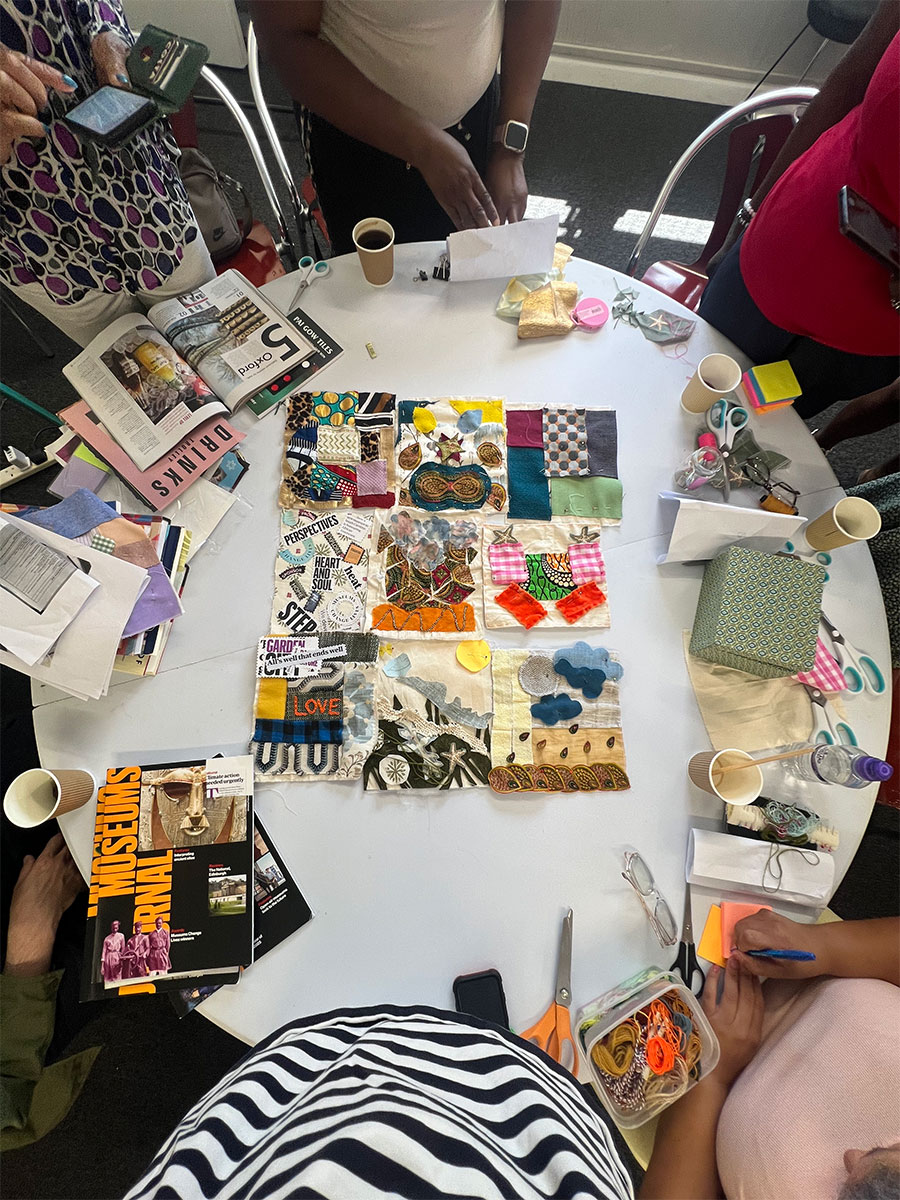
Patchworks of Solidarity workshop
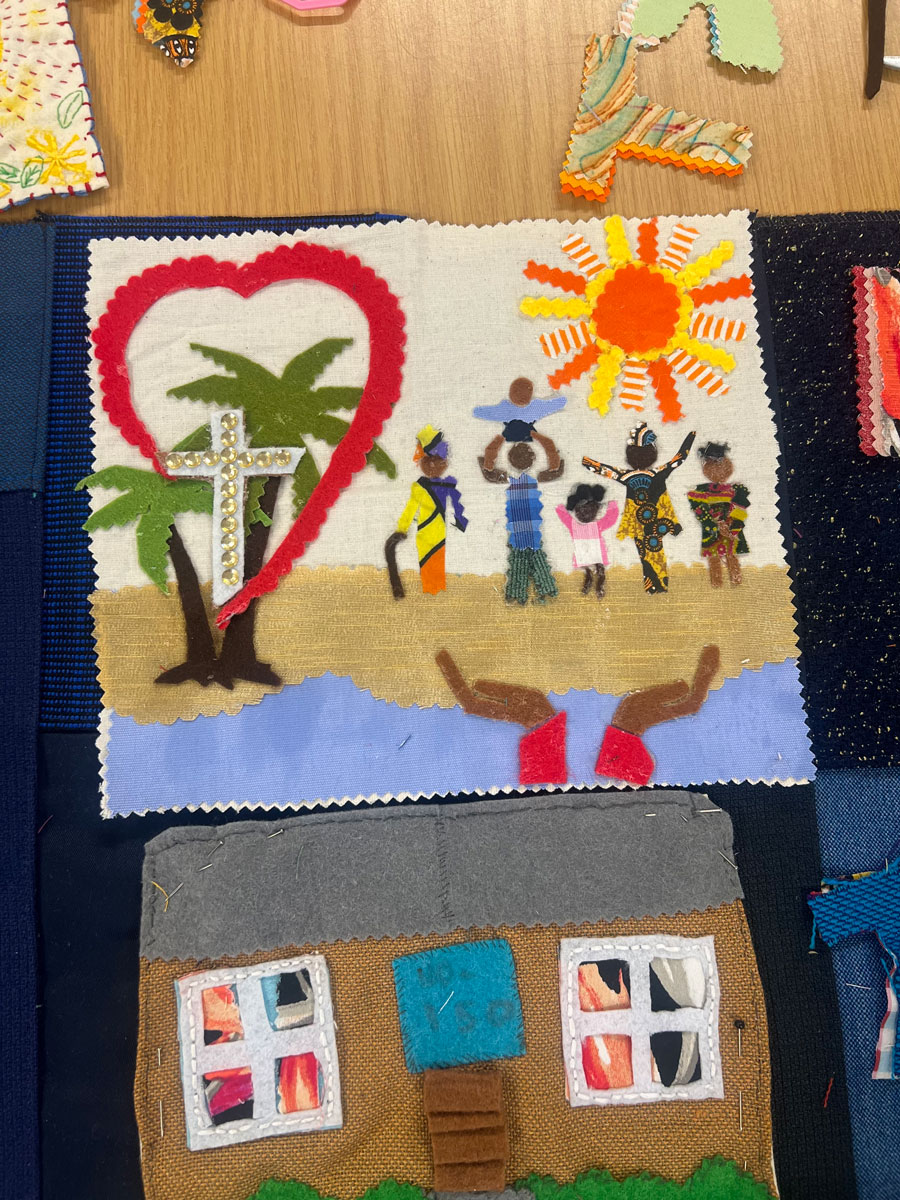
Patchworks of Solidarity workshop
Seth: We're working towards an exhibition at Lewisham Art House. What can people expect to see?
Yvette: Asafo flags. I'm in a group of three, and I've added some engineering elements to help bring the others' concepts to life. It already looks really good.
Maureen: I'm in a group of two. Our flag is about the connections in Jamaica between Ghana and the indigenous people in Jamaica, and about resistance and diversity within Jamaica and the Caribbean.
Yvette: And I'm also working on a secret project: another flag, about family and togetherness. Kim has had a small preview!
Seth: Is there anything else you’d like to share about the project?
Maureen: When you asked why the project was important, I wrote down: telling and documenting our experiences, our stories and our learning journey, and building friendships and skills. My message to the wider community is to document your memories, your family history and your stories in all kinds of ways. Textiles are a way to tell your story, and it's very therapeutic as well.
Kim: To the group's credit, they've always done a lot of that. In one of our first sessions, one of the participants brought a textile piece from an earlier memory workshop that she wanted to finish. I think what's new is working towards a public outcome that they're leading. Have you done anything like this before?
Maureen: No.
Yvette: And I think that's why people weren't sure about it at first. People want to know: what is it about, and what am I going to get from it? Once we've filled in the sketchbooks Kim gave us, we'll be able to show people the journey we've been on, and hopefully that will bring more people in for the next phase of the project.
Kim: That's absolutely it, and it's the main reason the exhibition is happening. Word of mouth counts for so much – it can produce a kind of street cred that I definitely didn't have when I started. So the exhibition is a chance for members to speak about their experience and be the ones persuading others to get involved. You just have to trust the process. There's nothing for them to be nervous about, because they've already put the hours in, and the work is authentic to who they are.
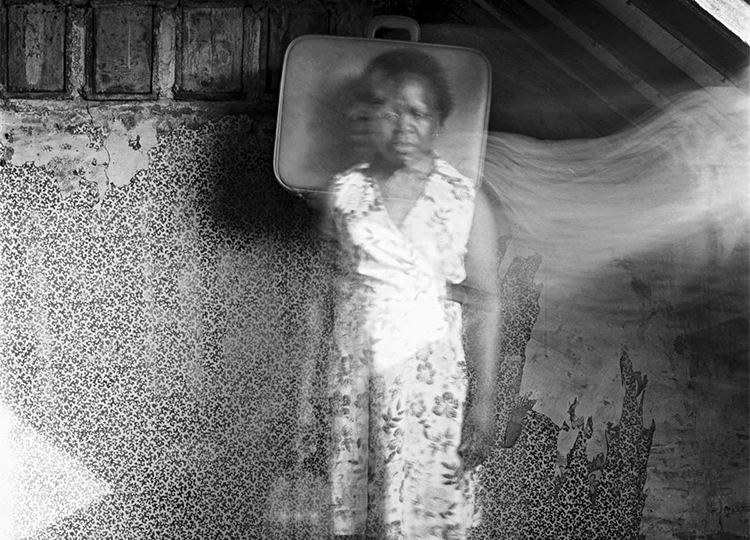
Bringing together local grassroots communities and artists to explore issues of identity and belonging
Find out more



Images on page: Courtesy of the Patchworks of Solidarity participants, 2026.
Project image: Hélène Amouzou, from the series Autoportrait, Molenbeek [detail], 2007-2011. © and courtesy the artist.
Join our newsletter and get the latest on Autograph’s exhibitions, events, open calls, digital content, books, prints and fundraising. Find out more.



Autograph is a space to see things differently. Since 1988, we have championed photography that explores issues of race, identity, representation, human rights and social justice, sharing how photographs reflect lived experiences and shape our understanding of ourselves and others.
Support our work

