


 0
0
0
In partnership with All Change, Caribbean Social Forum, Counterpoints Arts and Mouth That Roars, with Paul Hamlyn Foundation support

Acts of Solidarity is a new project bringing together local grassroots communities and artists from migrant, refugee and asylum-seeking backgrounds to explore issues of identity and belonging, to challenge exclusion and inequality in the arts.
Through a long-term process of collaboration, the artists will work with communities to develop socially-engaged projects that creatively engage with the nuanced stories and counternarratives of peoples’ lived experiences of identity, migration, home and belonging.
Alongside these projects, the artists will be supported with training and mentoring, as well as the space and resources to develop their own creative practice and collective peer support. Artists and partners will facilitate further exchange and development events for a wider cohort of socially-engaged artists working in the sector and the public to expand on the project's learnings around equity and justice in the arts.
Through the project, we seek to:
• Initiate new collaborations that explore and deepen understandings of displacement across different experiences of migration, asylum seeking, cultural heritage and generational perspectives.
• Map and demonstrate the costs, resources and support structures necessary to deliver social practice that ensures artists and participants are properly supported and safeguarded when working in complex settings.
• Establish an equitable and sustainable model of partnership in which artists are employed as social practitioners working between institutions, grassroots organisations and their communities.
• Open up space for practitioners across the cultural sector to critically reflect and share learning on issues of lived experiences.
• Develop a set of tools, practice guides and recommendations for future adoption by the sector that documents and articulates a new model for artist and community led practice that centres the most marginalised and supports equity in social practice.


Acts of Solidarity was developed in dialogue with artists, organisers and community members who have testified to the challenging and exploitative conditions they face in the sector as people with lived experiences of displacement. They explained that their opportunities were often siloed into narrow or stereotypical projects about ‘the refugee experience’ that don’t afford their practice the space to grow creatively through collaborations across different identities, contexts and themes.
Grassroots organisations have built essential spaces for communities – especially the most marginalised – to meet and build relationships, grow and be nourished. However, as public resources have become increasingly scarce these organisations face daily fights to maintain their spaces, let alone to experiment with new approaches.
Whilst it has become essential for arts and cultural organisations to diversify, there are still many questions about how we support artists with complex and intersectional lived experiences. Artists from refugee and migrant backgrounds face specific and complex barriers to establishing their practice in the UK. On top of the wider issue of financial precarity in the arts, they must also navigate visa precarity as well as the difficulties of gaining access to regular, sustainable professional opportunity in a new country – sometimes in a new language.
This project took these challenges as a starting point to consider how we can create more equitable distributions of resources across communities, artists and arts organisations. How can we develop and test new models for socially engaged practice that center equity and sustainability in their collaborations and exchanges? How can we open up this process of testing, learning and sharing to the sector so that we can highlight ways to do this work and support others to put it into practice at structural and material levels?

Each paid a salary to bring their skills and lived experiences to the project

The recruited artists will receive a bespoke programme of support and development

Each artist will produce a new commission in collaboration with a community partner
Offering reflection, critical feedback and support to the artists involved
Community partners and artists will co-develop the project's ambition, values and activities

Sharing recommendations and best practice from the project

We are recruiting a project producer and evaluator

Sharing the work and thinking taking place through the project
Acts of Solidarity builds on more than 8 years of collaboration between Autograph, artists and community partners. This work with grassroots communities has been essential to advancing Autograph’s mission of building a greater understanding of ourselves and others through highlighting difference.
During numerous workshops and projects we have exchanged and shared the many nuanced stories of identity and belonging rooted in the lived experiences of community members. Working with artists we have found new ways to tell our stories through experimenting with creative processes and producing new artworks and displays, both inside the gallery and in public spaces such as billboards and libraries.
Alongside this Autograph has been committed to developing socially-engaged practice, through fostering dialogue and training to engage artists in key issues of rights, representation and creative resistance. We have developed and facilitated events, conferences, networks and short courses bringing together artists, practitioners, activists and community organisers to share practice and challenges. This has provided a space, new networks and resources for artists to critically explore issues from art activism and rights-based practice to inclusive facilitation, contributing to a more equitable and just sector.
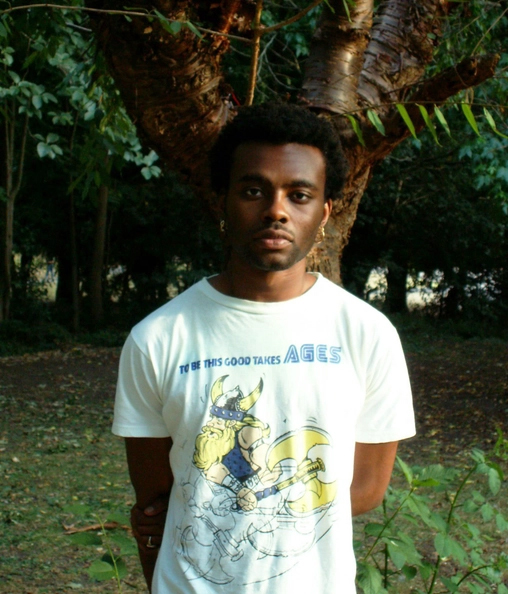
David Adeyemi is a London-based animator, VFX artist and creative director whose work combines research-driven experimentation with visual storytelling. Since completing a BA in Production Arts, they have worked across theatres, galleries and universities as a technician, workshop facilitator and digital artist.
A recent digital arts residency at A + E Lab saw them engaging with local communities to explore West African ancestry and Afrofuturism through a queer lens. Currently, they are investigating displacement of West-African migrant communities through an animated commission for FILM London. Dreamlike, playful and bold, Adeyemi’s practice blends surreal imagery with analogue and digital techniques to speculate alternative realities.
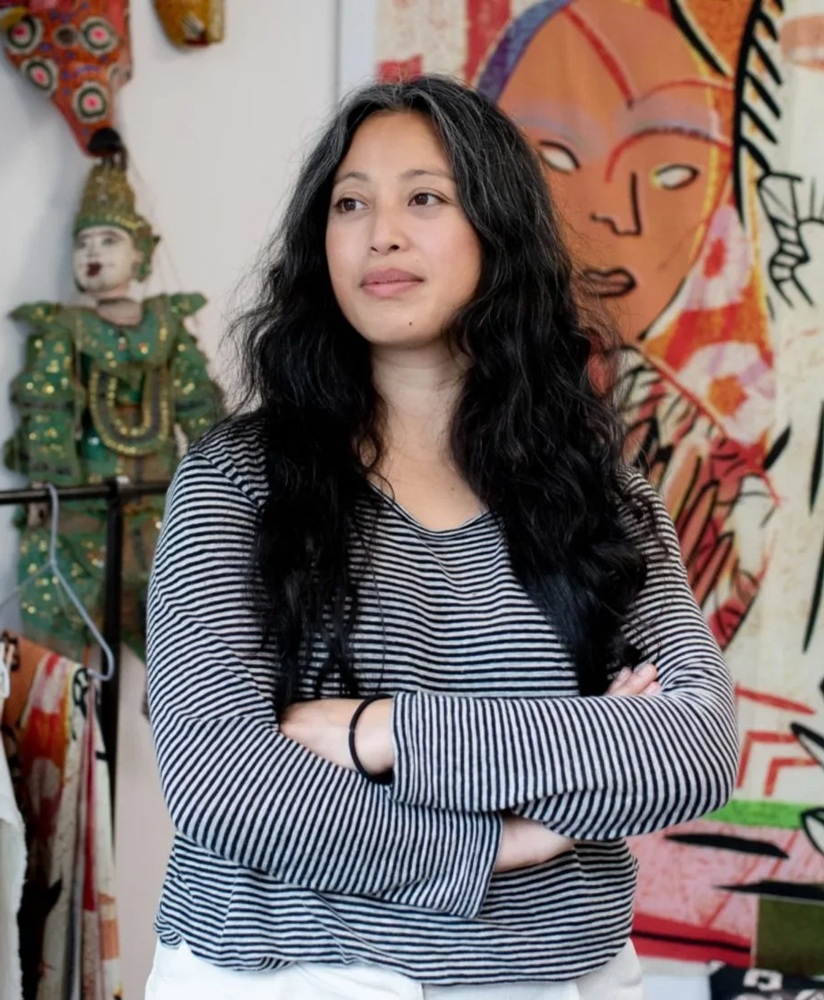
Kim Chin is an artist, facilitator and community mobiliser primarily working with print and textiles to explore the interconnectivity between memory as an archive, self-discovery, wellness and liberation. Influenced by solidarity movements around environmental and economic justice, Kim’s practice utilises hospitality, dialogue and neurodiverse adaptations to transform intergenerational trauma into creative agency and collective action.
Currently they are exploring water as a vessel for spirituality, repair and rebirth for a group show, A World of Islands, curated by Ligaya Salazar at Ateneo Art Gallery, Phillipines (coming 2026). Recent collaborations and projects include work with: ESEA Contemporary, Metroland Cultures, Crafts Council, Migrants in Culture, Museum of the Home, Tate Modern, The Showroom, Brixton Project.
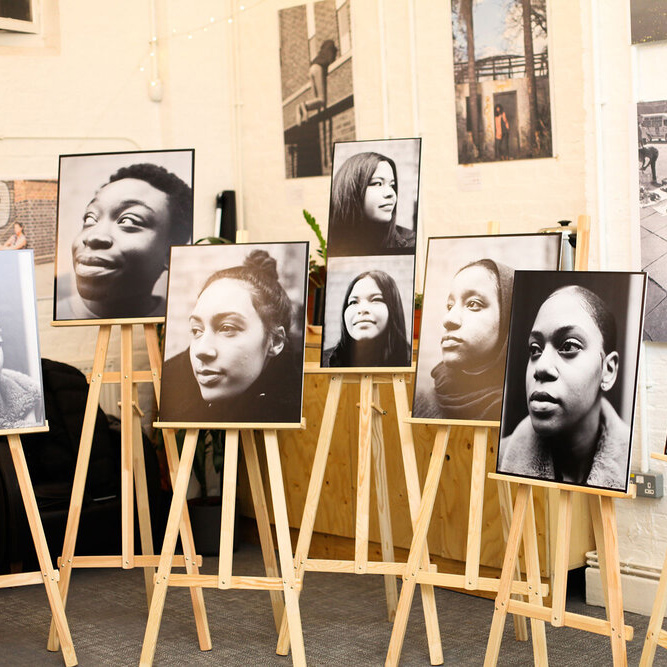
All Change brings artists and communities together to transform lives, producing original and authentic arts projects and experiences which make connections between people.
Find out more
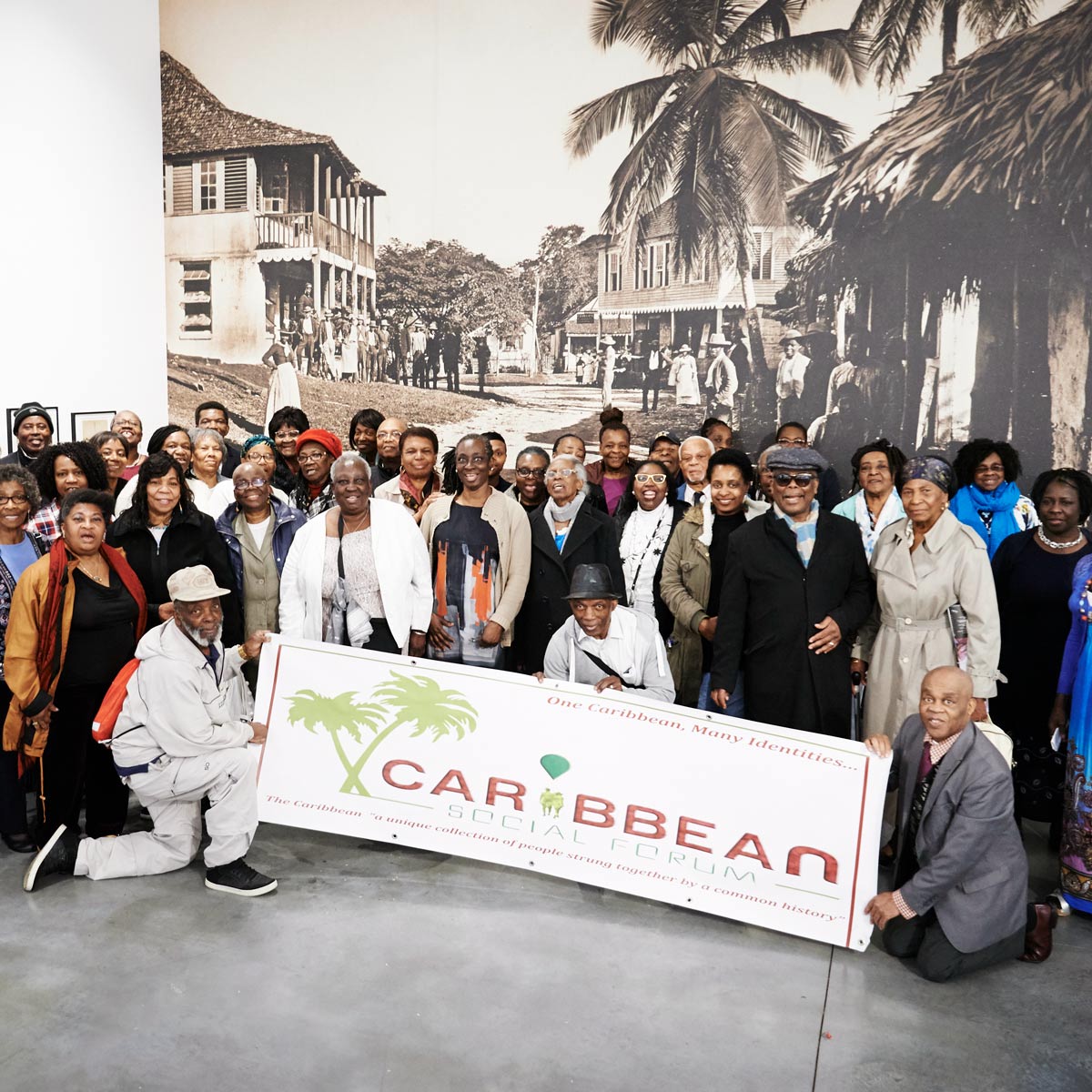
Caribbean Social Forum seeks to engage the elder Caribbean community to shape futures that reflect their lives and values. Through fostering communication, they promote healthier lifestyles, reduce isolation and combat dementia.
Find out more
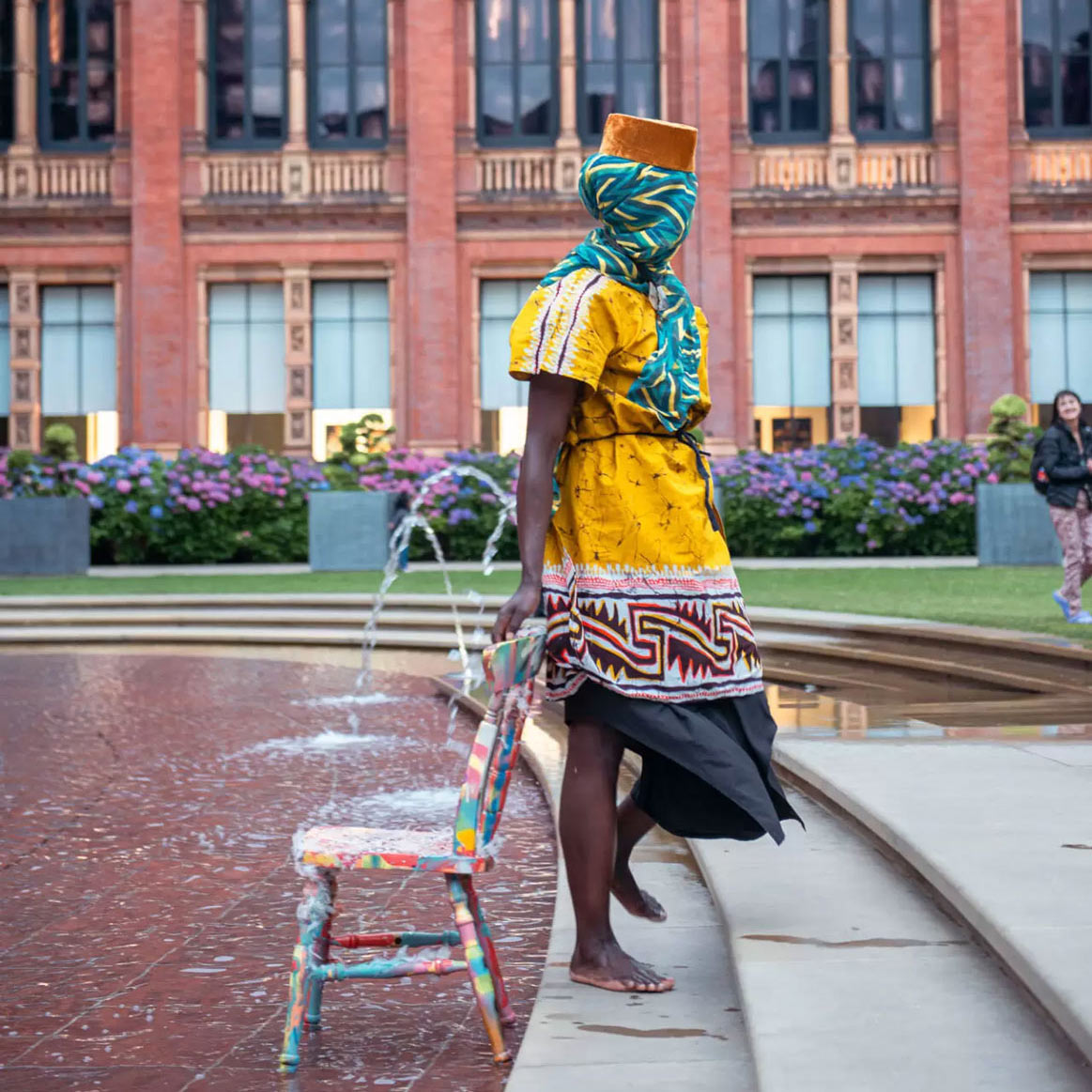
Counterpoints support art by and about refugees and migrants and produce a range of programmes in the UK and internationally.
Find out more
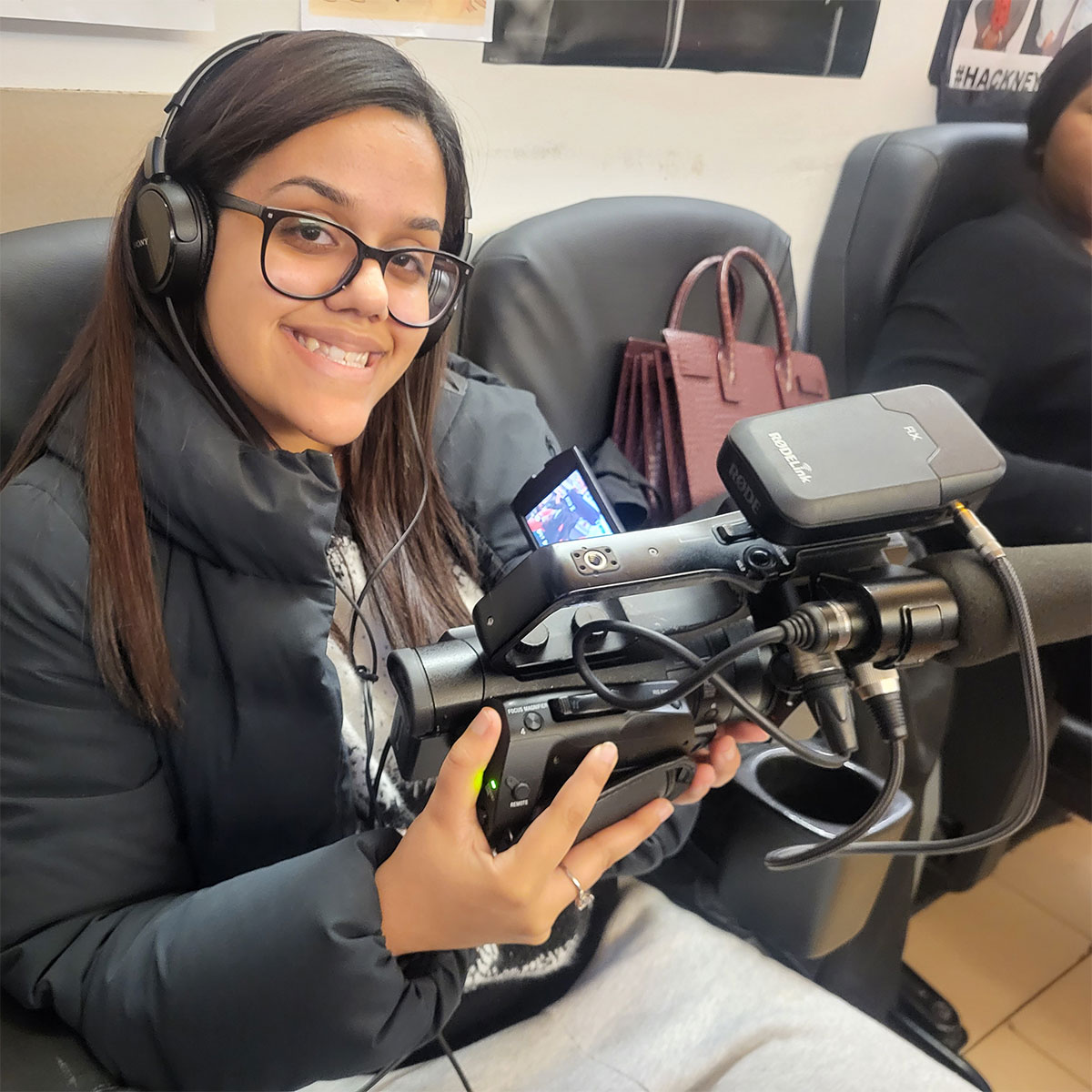
Mouth That Roars provides ‘rights based’ participatory youth film and media arts activities. It was set up in 1998 to ensure marginalised young people – who are often misrepresented in society and mainstream media – have a voice and a means to express themselves creatively.
Find out more.


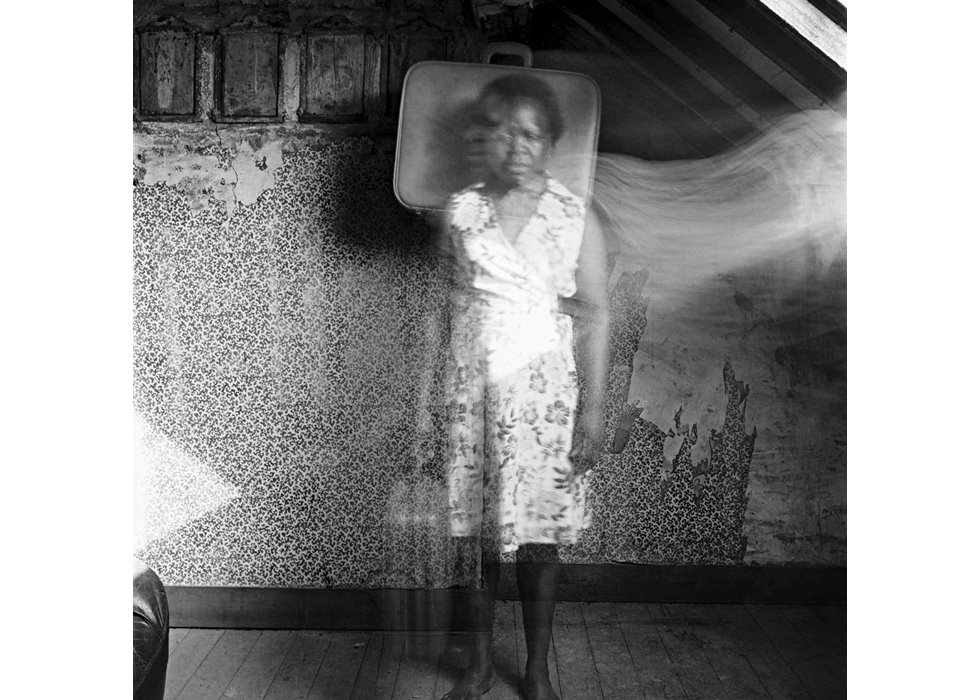
Banner image: Hélène Amouzou, from the series Autoportrait, Molenbeek, 2007-2011. © and courtesy the artist.
Artist images: 1) Aliaskar Abarkas, photographed by Giacomo Bianco. 2) David Adeyemi. 3) Kim Chin, photographed by Camilla Greenwell.
Partner images: 1) All Change, B Creative project - photo by Marysa Dowling. 2) Courtesy Caribbean Social Forum and Autograph. 3) Ishimwa Muhimanyi, V&A Friday Late presented by BLM fest, V&A, 2022. © Marcia Chandra / Counterpoints Arts. 4) Courtesy Mouth That Roars.
Join our newsletter and get the latest on Autograph’s exhibitions, events, open calls, digital content, books, prints and fundraising. Find out more.



Autograph is a space to see things differently. Since 1988, we have championed photography that explores issues of race, identity, representation, human rights and social justice, sharing how photographs reflect lived experiences and shape our understanding of ourselves and others.
Support our work

