


 0
0
0

Introducing Our Bodies Have Been Bridges, a new exhibition exploring the intersections of indigenous knowledge and feminist thought
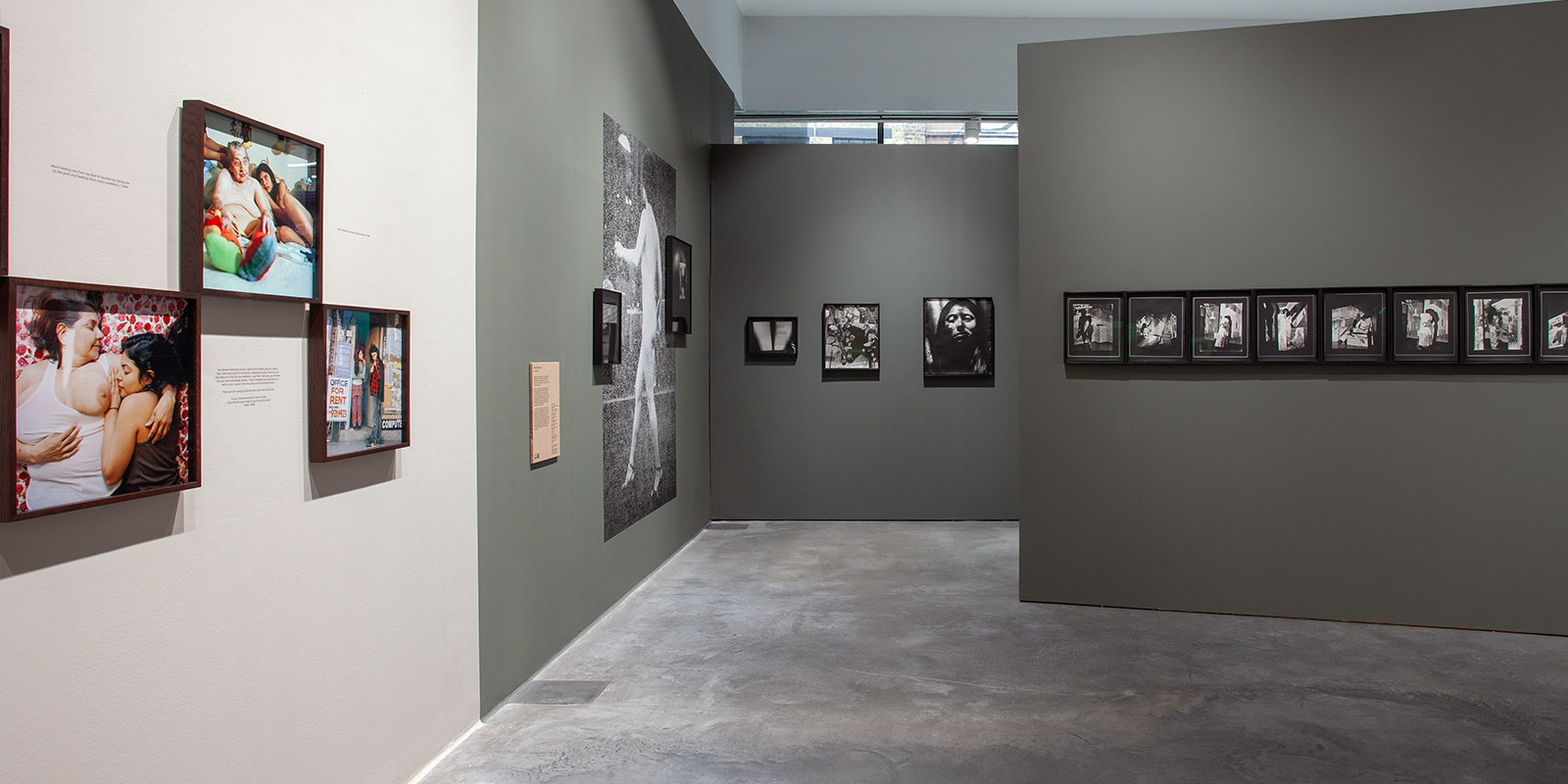
Our Bodies Have Been Bridges brings together the work of three artists working across the Americas to explore the question: what does it mean to embody history? Against the demand that identity be reduced to a single history or way of seeing, the artists draw on feminist and indigenous ways of understanding the body and representation to reshape how photography constructs visibility.
Here we introduce the exhibition and answer three quick questions that are key to the show.
Our Bodies Have Been Bridges is on display alongside Your Tongue in My Mouth, an exhibition by Charan Singh. Both shows are free to visit at Autograph until 13 February 2027.
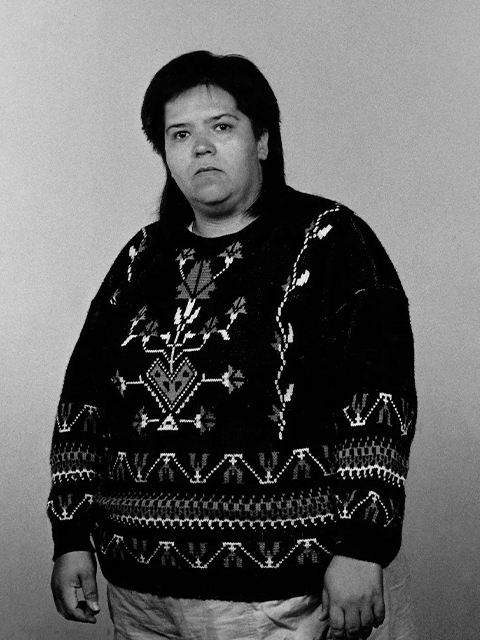
Laura was an American photographer most known for her photographic portraits of diverse communities in the Los Angeles area, as well as self-portraits against natural landscapes. Autograph’s Director, Mark Sealy, first worked with Laura in 1997 as part of the exhibition Shifting Terrains at Zone Gallery in Newcastle, where her work featured alongside photography by Maxine Walker.
Laura embodied and grappled with many marginalised identities including artist, woman, queer, lesbian, Chicana, Mexican and dyslexic, among others. However her photography allowed her to explore and gain a greater understanding and appreciation of herself and others. She said: “Women taking ownership of their bodies and allowing forgiveness of self as a form of healing is one of the ways in which I have approached my work.”
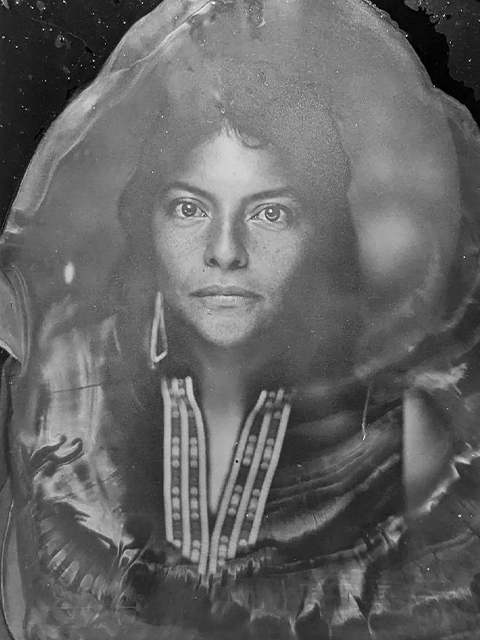
Koyoltzintli is an interdisciplinary artist and educator based in New York. She was raised on the Pacific coast and in the Andean mountains of Ecuador.
Her work revolves around Indigenous ancestral technologies, ritual, healing and storytelling, blending collaborative processes with personal narratives. She says: “Rites or rituals are a means for changing the paradigm under which we are living. Nowadays, there is no time for silence, connecting with the earth and water, eros – pleasurable moments for oneself. There is no space for that in modern life. Ideas on rituals, resting and our relation to the earth are ancient; they are innate to humanity and we should try to rescue these practices... Part of my photographic work is co-creating with the universe.”¹
You can read a conversation between the artist and Autograph’s Director, Mark Sealy, here.
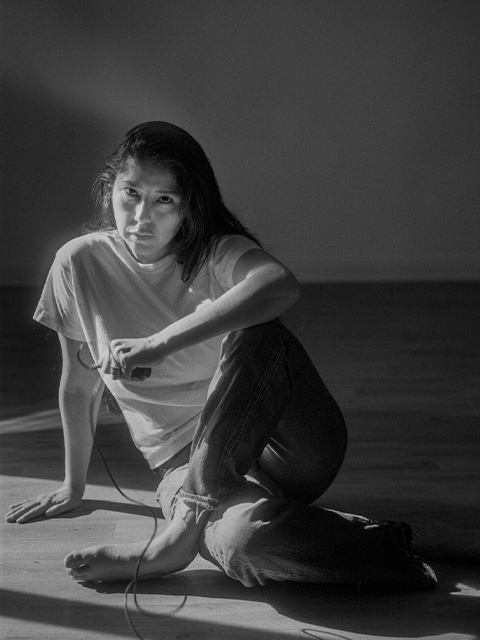
Tarrah is an artist and educator based in Los Angeles, working across photography, performance and poetry. Born in Lima, Peru in 1979, Krajnak was orphaned from her Indigenous biological family and adopted as a baby by white working class Americans, where she was raised in a multiracial family, profoundly shaping her work. She says: “In all of the work I make, I’m trying to figure something out about photography, its limits, the ethics of it, and how it shapes life experience. […] You can see how I use photography, and how photography fails. There has to be a way photography makes visible histories that have been submerged. There has to be a way that I connect to my ancestors through the medium.”²
The title ‘our bodies have been bridges’ is a line drawn from the spoken word poem Afro-Latina by the American author Elizabeth Acevedo. The poem follows Acevedo’s journey from rejecting her cultural heritage to fiercely embracing it.
In the context of the exhibition, ‘our bodies have been bridges’ is intended to reiterate the possibility of creating connections, without erasing difference. It asserts the right of the artists to appear in their full complexity.
Content note: the poem references rape and enslavement.
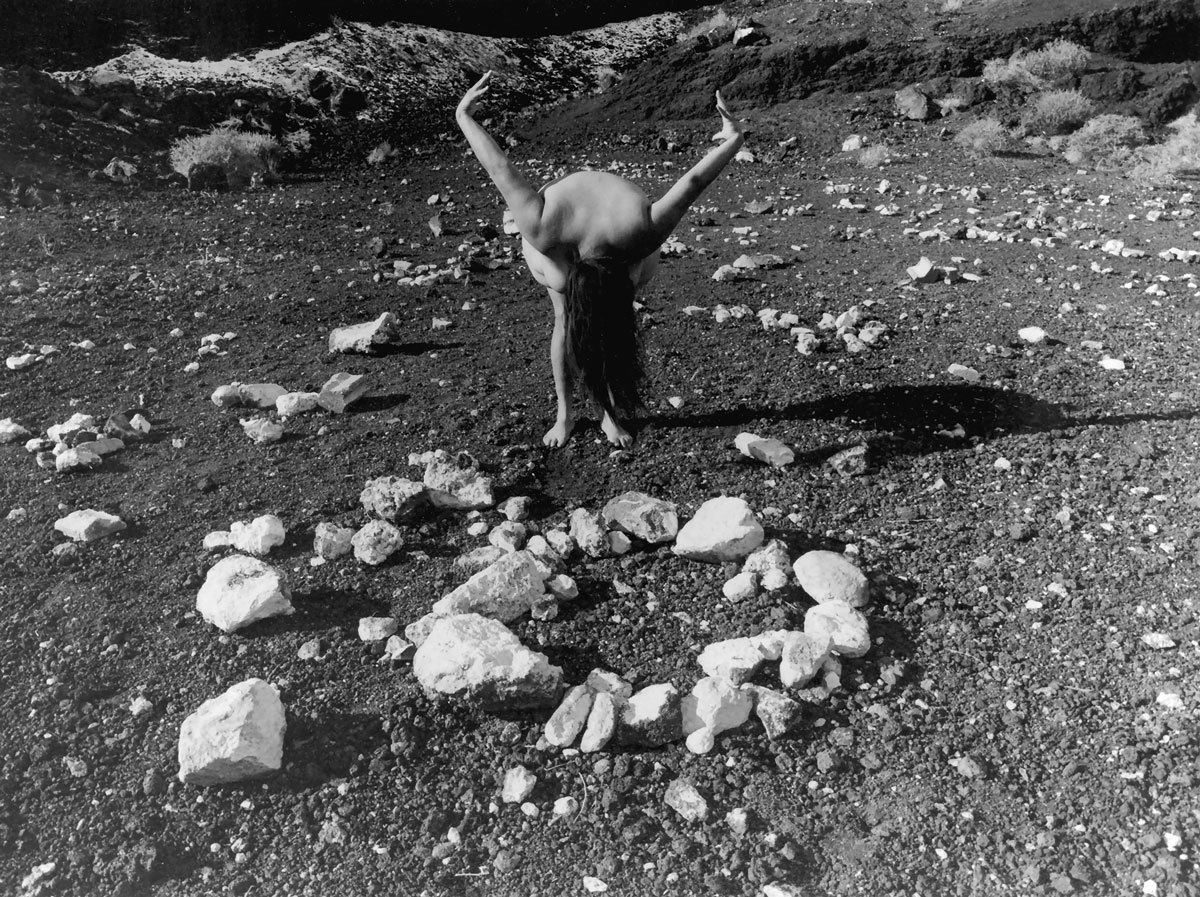
Throughout the exhibition, feminist politics and practices emerge as a way to negotiate ideas of belonging and power, particularly in relation to the land and nature. The body is not separate from the landscape – it becomes a way of understanding our place within it, and of questioning who has the right to occupy, move through and belong to particular spaces.
Across the works, land becomes a site of memory, connection and resistance. For each artist, the land holds personal and collective histories, while also offering space to reclaim relationships with place, ancestry and the natural world.
In focus: Laura Aguilar continually turned the camera on herself and other marginalised women, bringing their bodies into conversation with the landscapes of the American Southwest in order to explore the tensions between freedom and vulnerability. In Center #70 from 2001 (pictured), Aguilar explores what it means to inhabit a body that is persistently overlooked despite its undeniable presence.
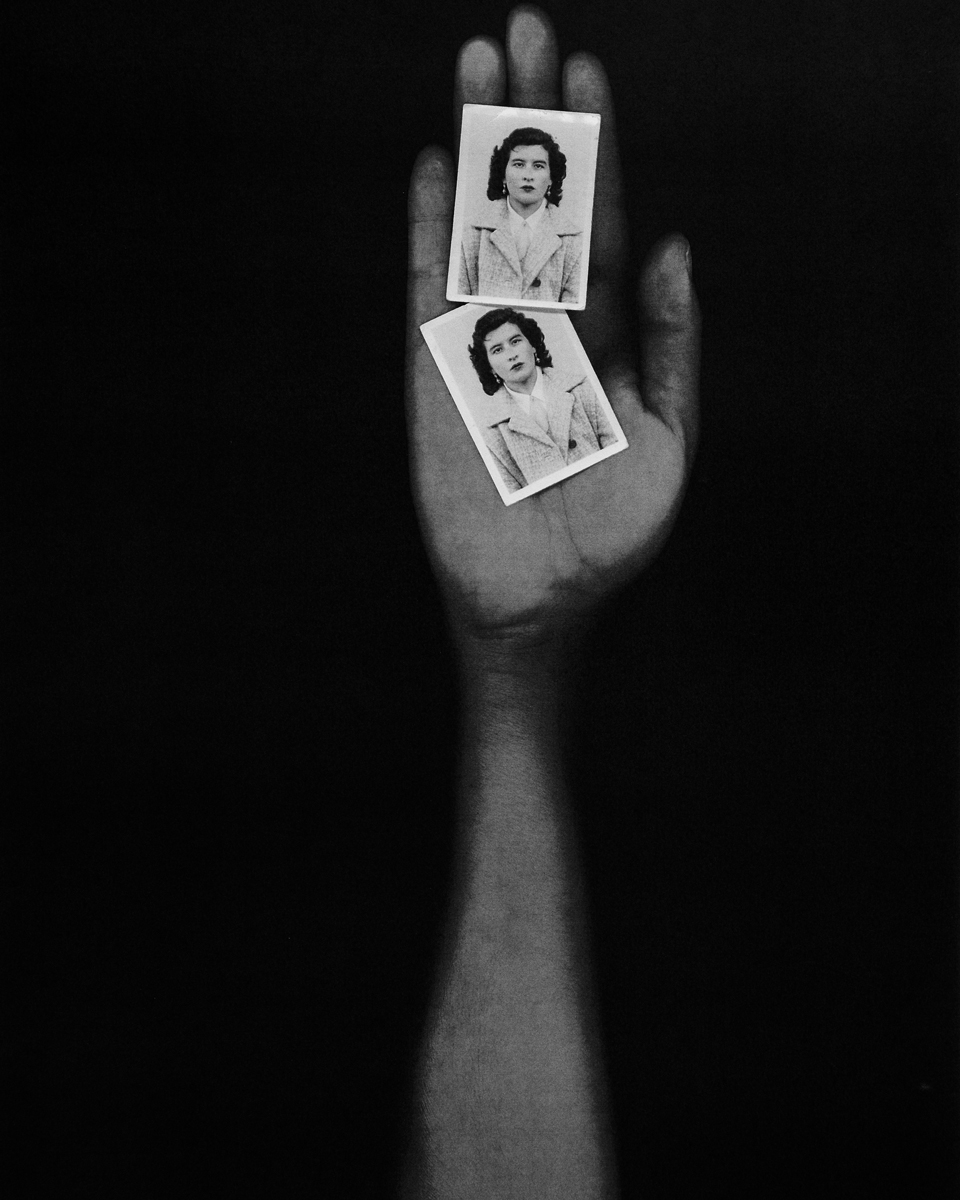
Our Bodies Have Been Bridges portrays identity as layered and open to change; it is something that is shaped by lived experience, culture and history and that exists in relation to multiple others, whether family, ancestors or collaborators.
The works challenge the idea that identity can be understood through a single story or way of seeing and asserts the agency of individuals to define and reshape identity on their own terms. Identity becomes something that is continually made and remade, shaped by what is inherited, what is experienced and how the self is understood and represented.
In focus: In order to make the series El Jardín de Senderos que se Bifurcan (The Garden of Forking Paths) (2011-2022), Krajnak returned to the orphanage where she was born in Peru. By bringing together self-portraits with images from vintage Peruvian magazines published in the year of her birth, Krajnak traces her fragmented personal history within the wider social and political histories of Lima. She creates a space where different truths can coexist and acknowledges that many histories shape a single life. Her work demonstrates that there is solace to be found in accepting identity as a complex and evolving aspect of our lives.
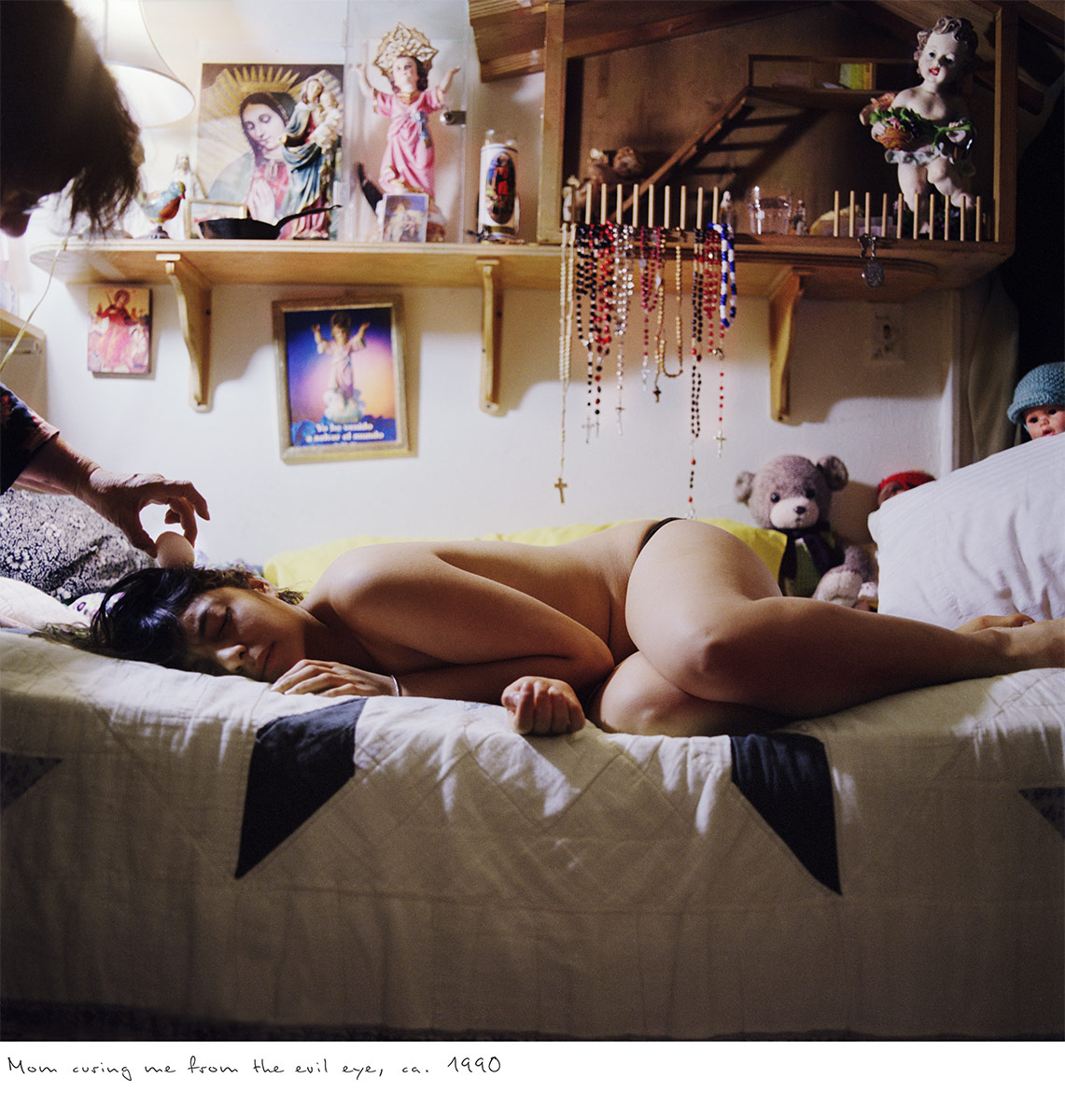
The artists draw on their own memories and that of their ancestors not simply to look back, but to reconnect with and agitate the past. In doing so, they open up questions about how histories are carried forward and how a sense of belonging can be reshaped in the present.
In focus: In the series Other Stories / Historias Bravas (2011-2012), Koyoltzintli restages personal memories, portraying family rituals, cultural traditions and spiritual practices to reflect on her own sense of belonging, particularly in relation to her experience of migration.
In Mom curing me from the evil eye, Koyoltzintli restages a memory from 1990, when she was around 7 years old, demonstrating how memory and family customs can sustain through time, while taking on new meanings and creating new connections across generations.

Free exhibition
8 October 2026 - 13 February 2027
With thanks to Beyond Print for their generous production support of selected works by Koyoltzintli and Tarrah Krajnak.
.png "sample")

Banner image: Our Bodies Have Been Bridges exhibition at Autograph. 8 October 2026 - 13 February 20247. Curated by Mark Sealy and Bindi Vora. Photograph by Kate Elliott.
Images on page: 1-3) Courtesy the artists. 4) Laura Aguilar, Center #70, 2001 © Laura Aguilar. Courtesy of Light Work and The Laura Aguilar Trust of 2016. 5) Tarrah Krajnak, Holding Hands 2, from the series El Jardín De Senderos Que Se Bifurcan, 2011-2022. © the artist. Courtesy the artist and Zander Galerie, Cologne/Paris. 6) Koyoltzintli, Mom curing me from the evil eye, c.1990, from the series Other Stories / Historias Bravas, 2011-2012. © and courtesy the artist.
Part of the exhibition: Laura Aguilar, Motion #50 [detail], 1999. © Laura Aguilar. Courtesy of The Laura Aguilar Trust of 2016. Collection of Light Work, Syracuse.
¹ Koyoltzintli (FKA Karen Miranda Rivadeneira) quoted in Lenscratch by Yazmeen P. Loaiza, 3 December 2020.
² Tarrah Krajnak quoted in I Promised I’d Return Soon: A Conversation with Tarrah Krajnak by Marcus Civin. Afterimage, 1 September 2023; 50 (3): pp.27–37.
Join our newsletter and get the latest on Autograph’s exhibitions, events, open calls, digital content, books, prints and fundraising. Find out more.



Autograph is a space to see things differently. Since 1988, we have championed photography that explores issues of race, identity, representation, human rights and social justice, sharing how photographs reflect lived experiences and shape our understanding of ourselves and others.
Support our work

