


 0
0

We are proud to share a selection of new work from twenty-one young Londoners. The self-portraits were all taken by local students as part of our annual Common Ground project and encapsulate what it means to grow up in London today.
Created and facilitated by lead artists Denisha Anderson and Alex Picasso, students were supported to create work that reflected their values, heritage and identity. The resulting images are deeply personal reflections on agency and visibility.
You can also catch these portraits on display at Old Street Digital Canvas from 14 to 21 December 2026.
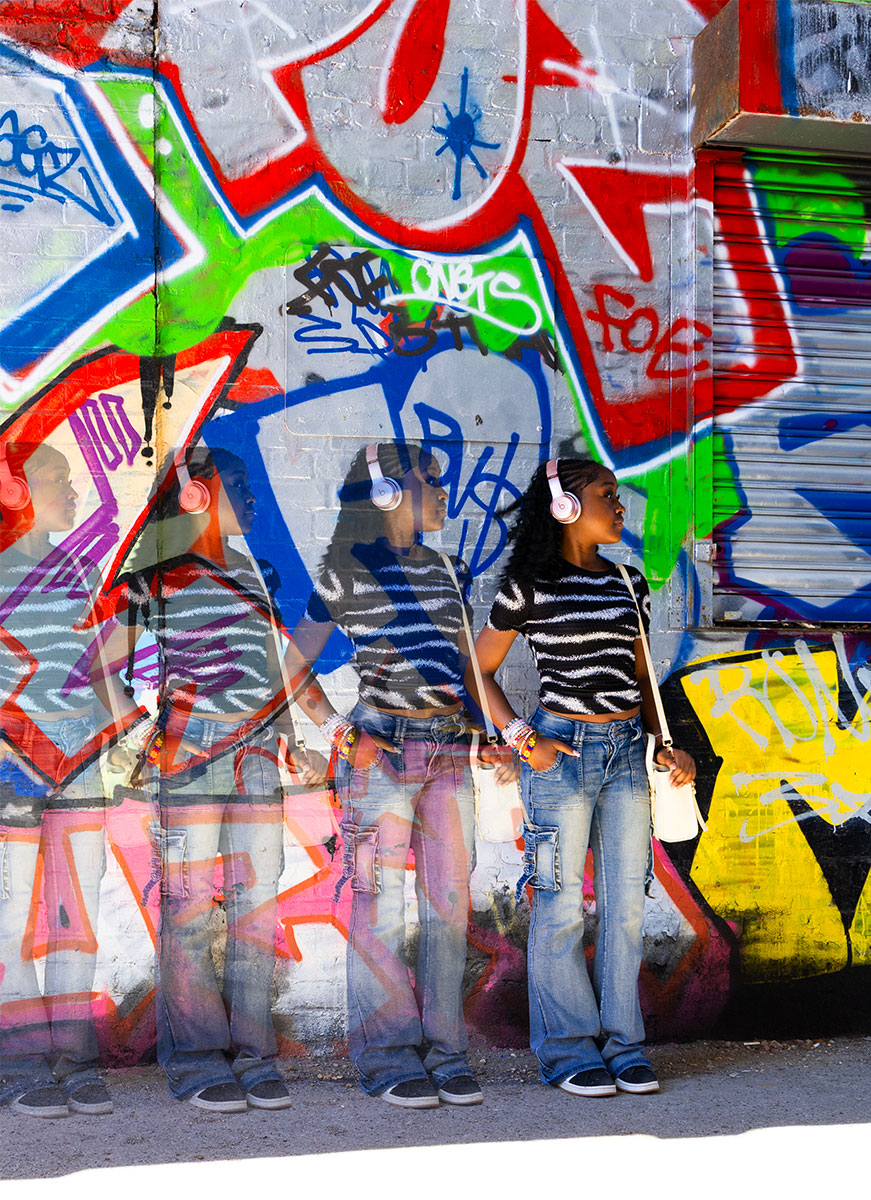
My work explores my identity and the things that keep me grounded. I used my headphones as props to highlight how music forms a core part of who I am. I want viewers to feel the quiet sanctuary that I find in music, and shooting outdoors allowed me to use soft natural light against, symbolising peace and calm.
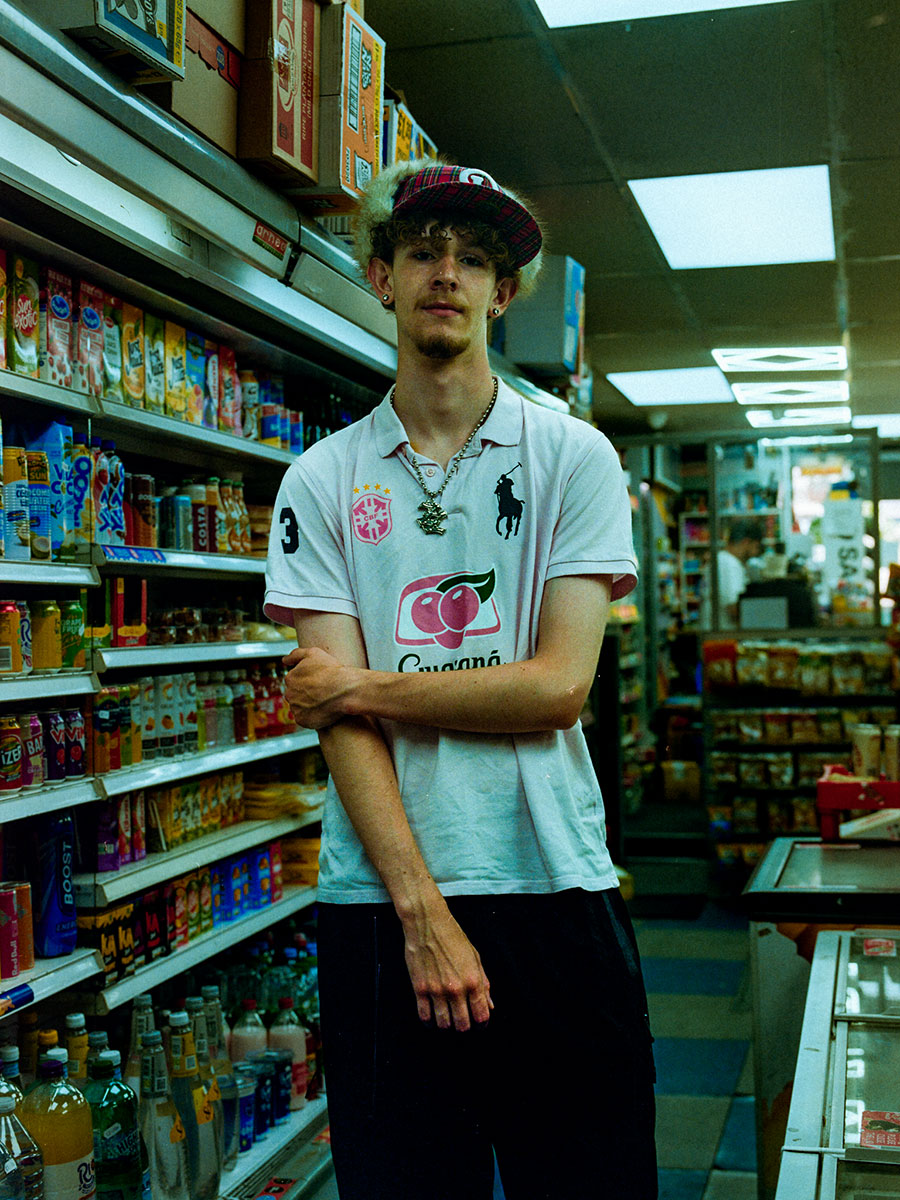
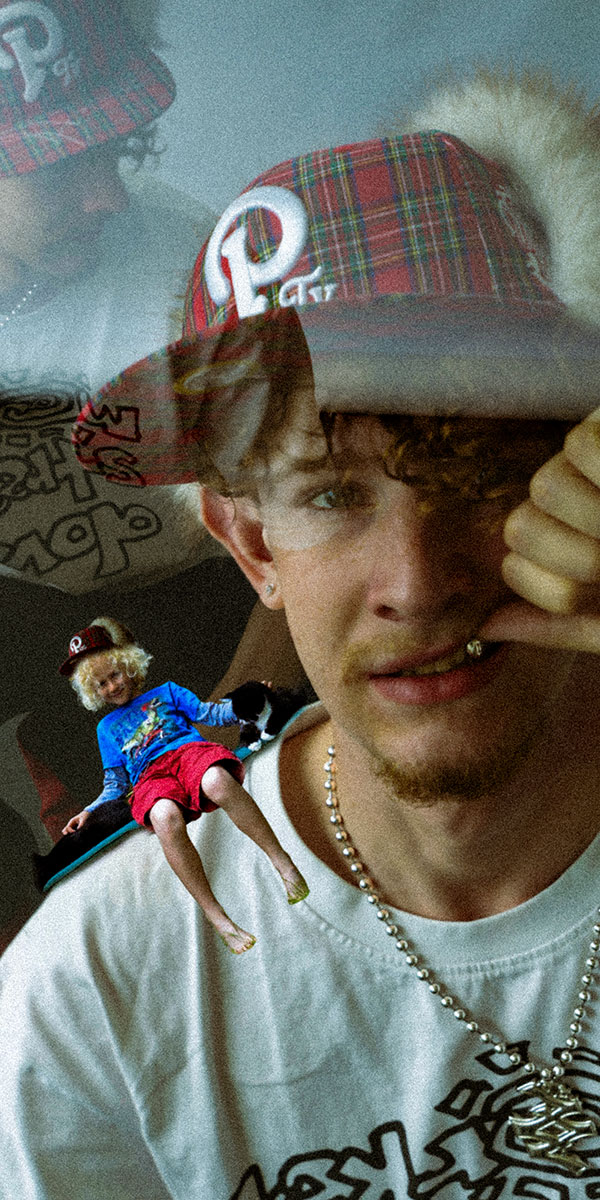
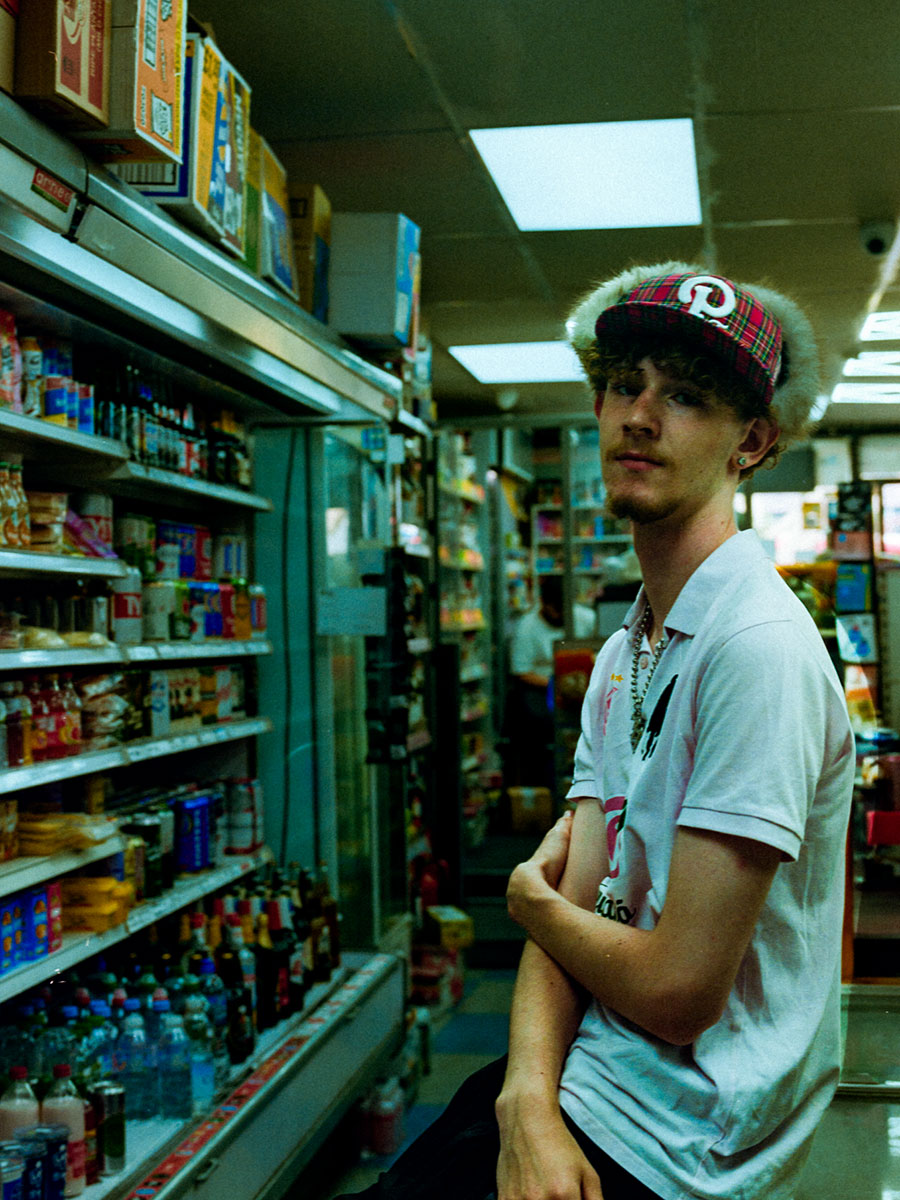
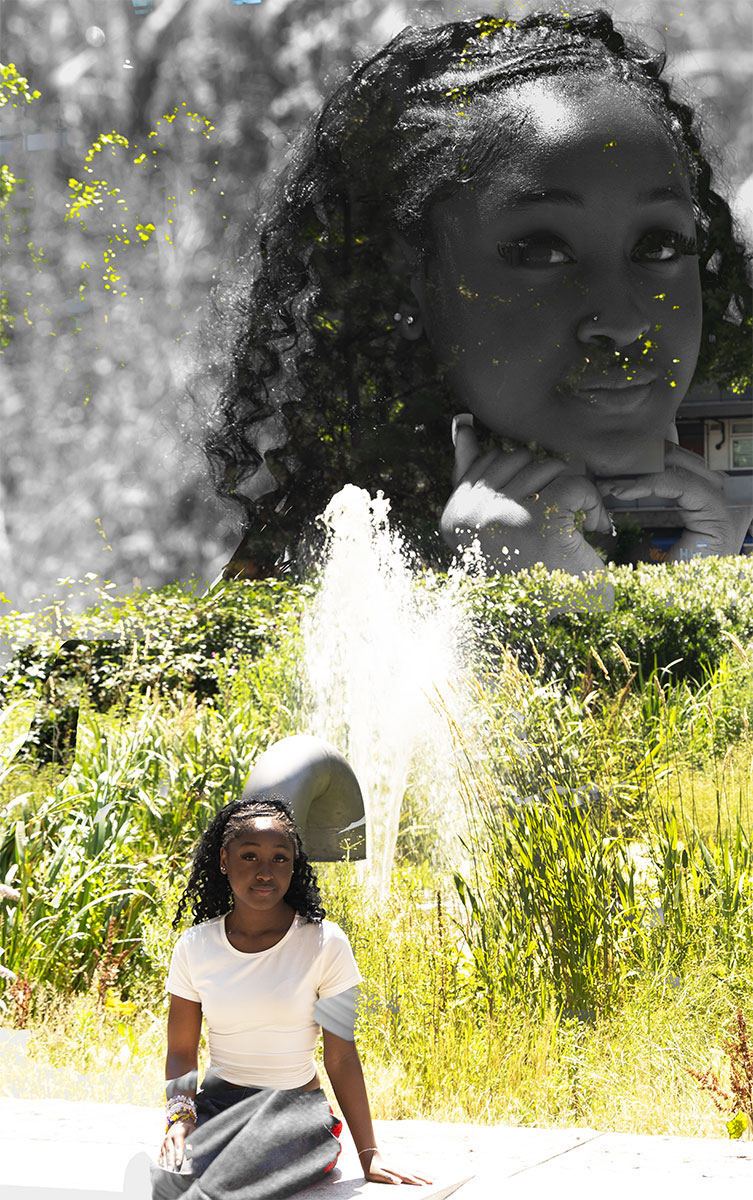
The second image here shows who I am now and how I choose to express myself, but it also carries echoes of the past. The work I produced is rooted in the present, but also uses photos of me when I was younger, with elements of my present self worked into them, to show how every step I’ve taken shapes who I am today.
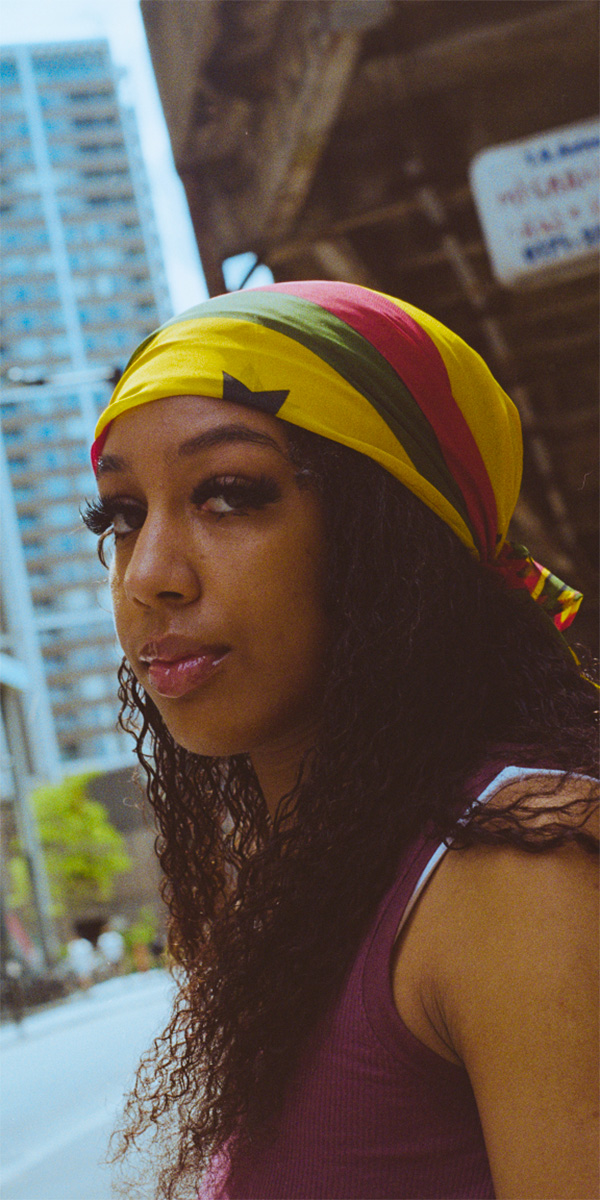
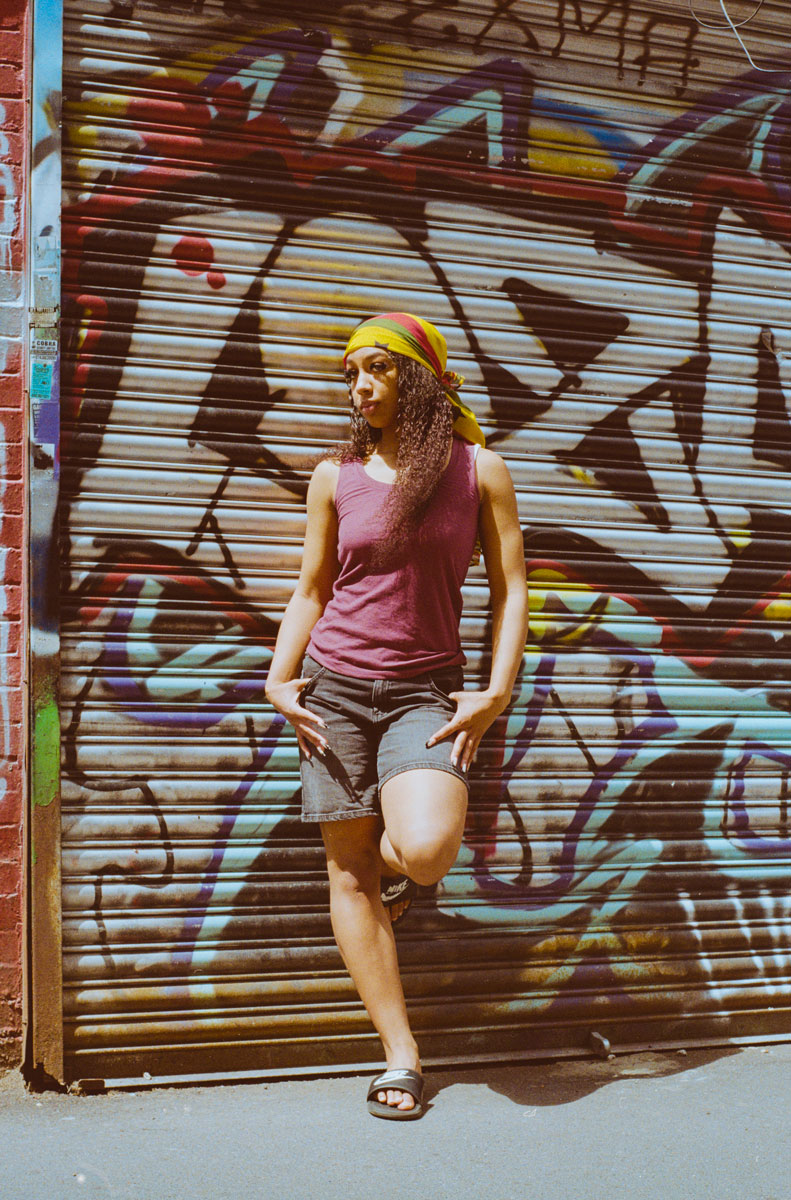
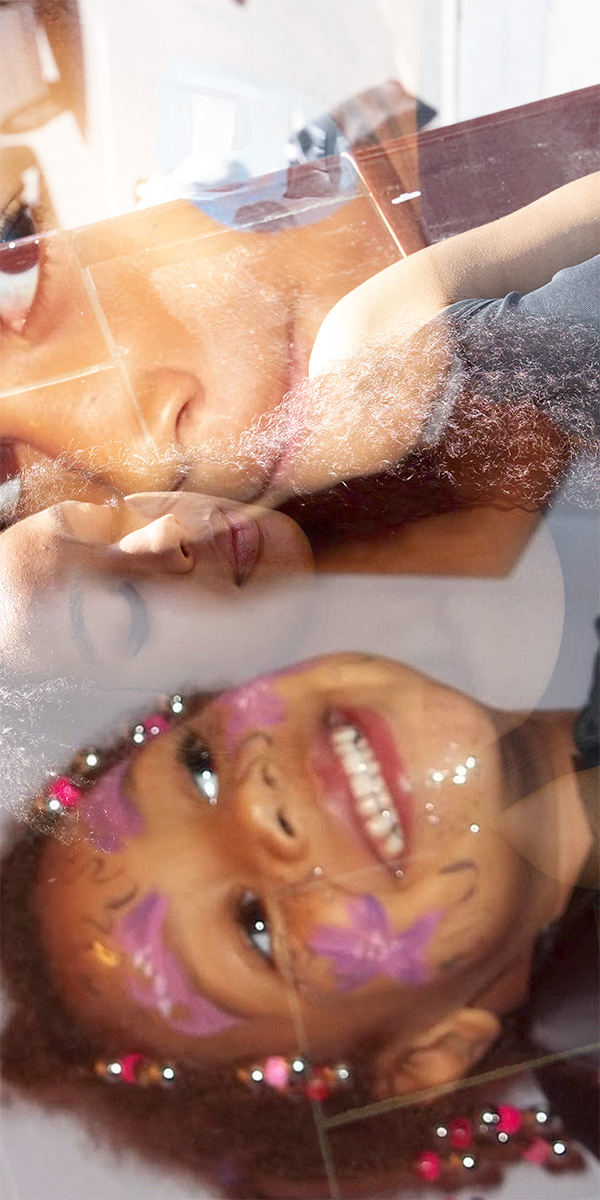
Through this work, I wanted to visually explore the relationship between genetics, environment and identity. I came across the concept of phenotype through psychology, which became a starting point for exploring how different factors shape who we become. This idea resonated with me, particularly in relation to my Ghanaian heritage and my experience of growing up in South East London.
I wanted to bring these two worlds together within my work, exploring how heritage and surroundings can exist alongside one another in shaping identity. Shooting on 35mm film, using natural light, and incorporating the landscape of South East London allowed me to create images that felt authentic and personal to my experience. The familiar environment creates an important visual connection between where I come from and where I have grown up.
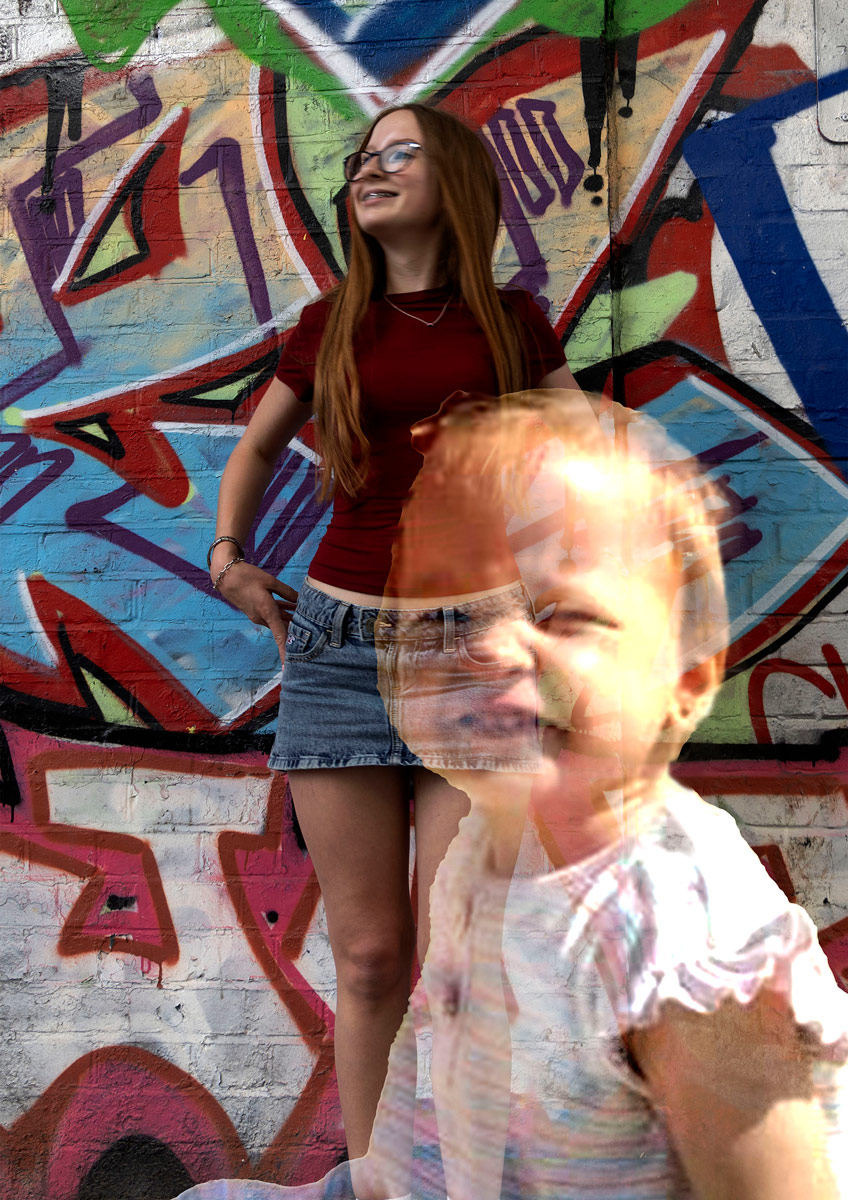
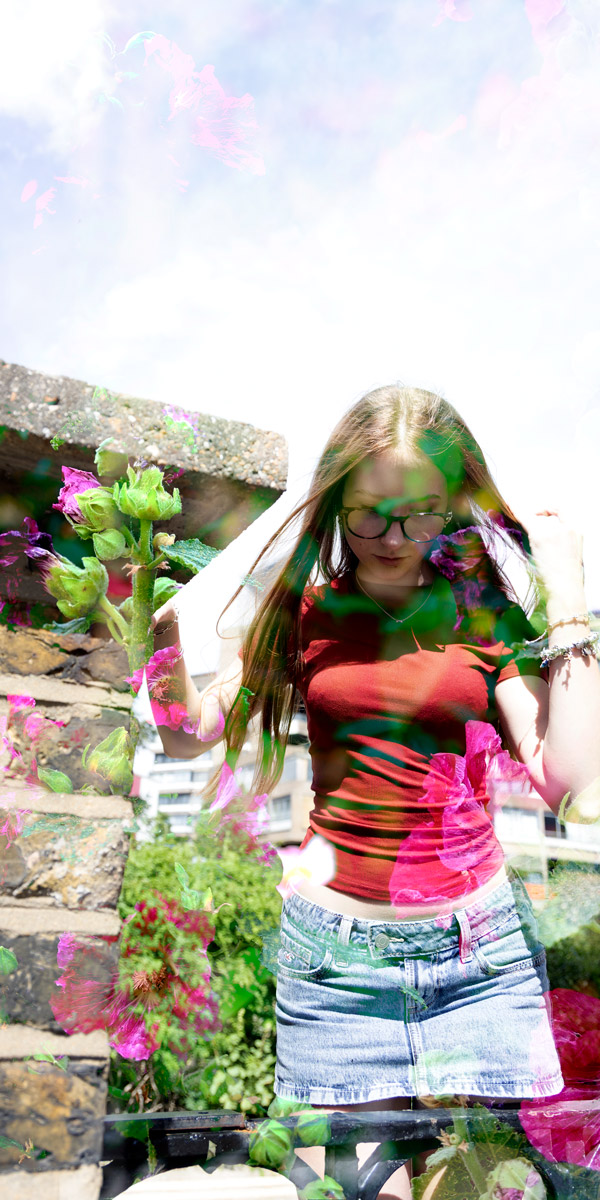
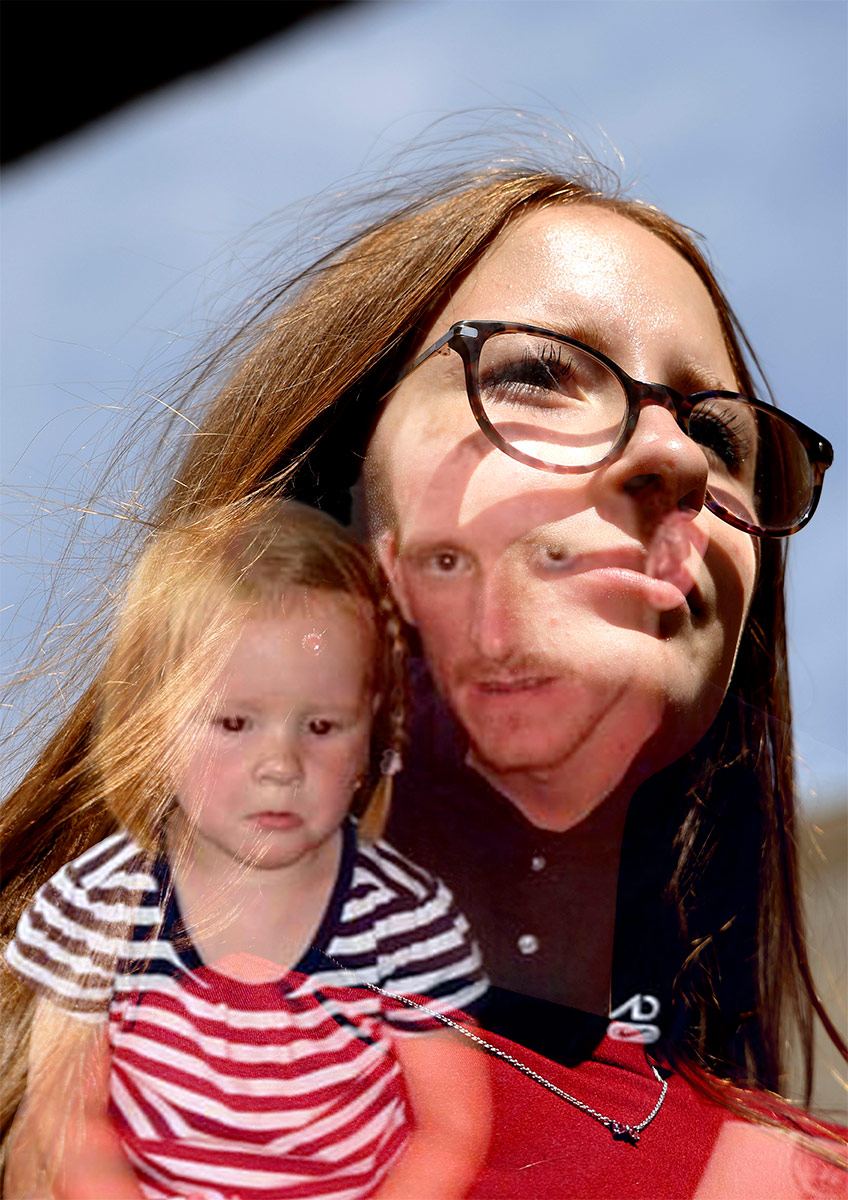
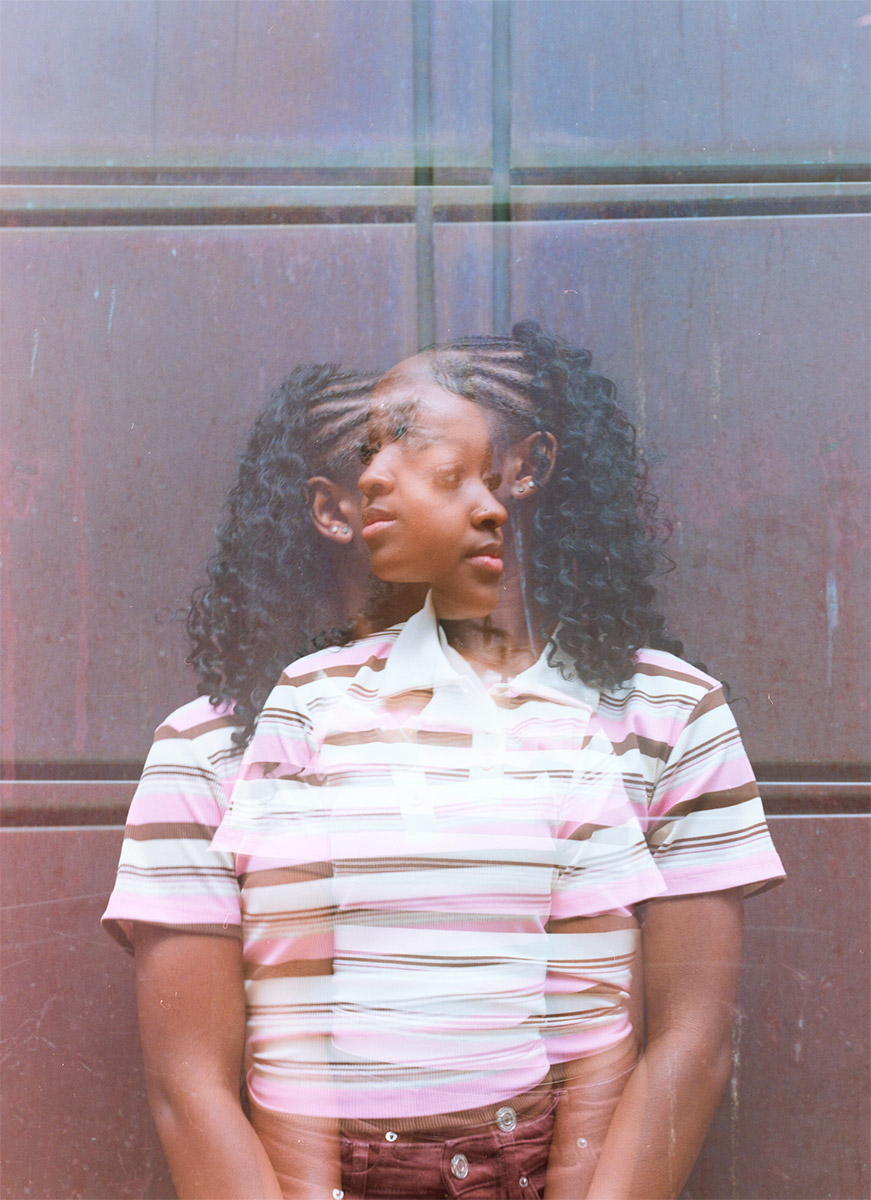
My work focuses on childhood, growing up and the stereotypes surrounding teenagers. As we get older, there are often expectations that our interests, behaviours and personalities should automatically change with our age. I wanted to question whether growing up really means leaving parts of childhood behind.
I investigated this through double exposure, self-portraiture and the use of objects from my childhood objects, including toys and teddies that belonged to me when I was younger. By combining these items with portraits of myself now, I created connections between my childhood and who I am today. These photographs show that although I have grown older, those early influences remain part of my identity.
I also address common teenage stereotypes, such as being loud, rebellious or obnoxious. Rather than accepting these labels as universal, I want to show how exaggerated and limiting they really are. Through my photography, I challenge the idea that there is one set way to navigate this age, showing that growing up is different for everyone.
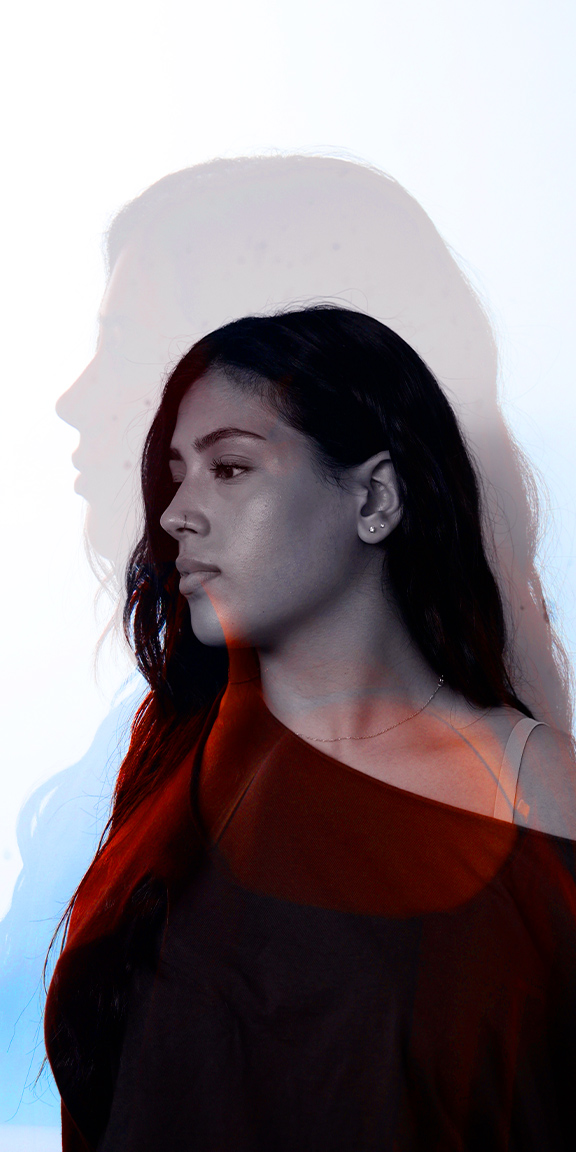
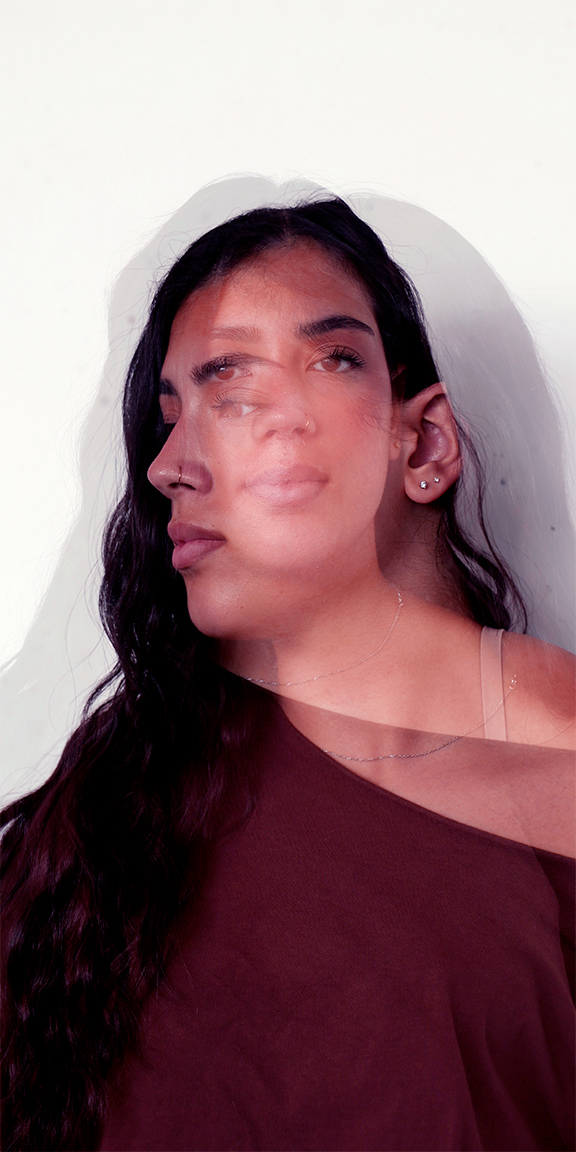
I wanted to explore mental internal conflict. In this work, I use red to represent tension, while blue pushes back to show how calm and peace can eventually overpower that turmoil.
Created in the studio using double exposure, this piece combines a side-profile silhouette with a direct, front-facing portrait. Bringing these two perspectives together in Photoshop allowed me to visually split and balance the different emotional states I experience.
When people see my work, I want them to relate to it. I hope it helps normalise the feeling of being overwhelmed and reminds viewers that inner conflict is something many of us navigate every day.
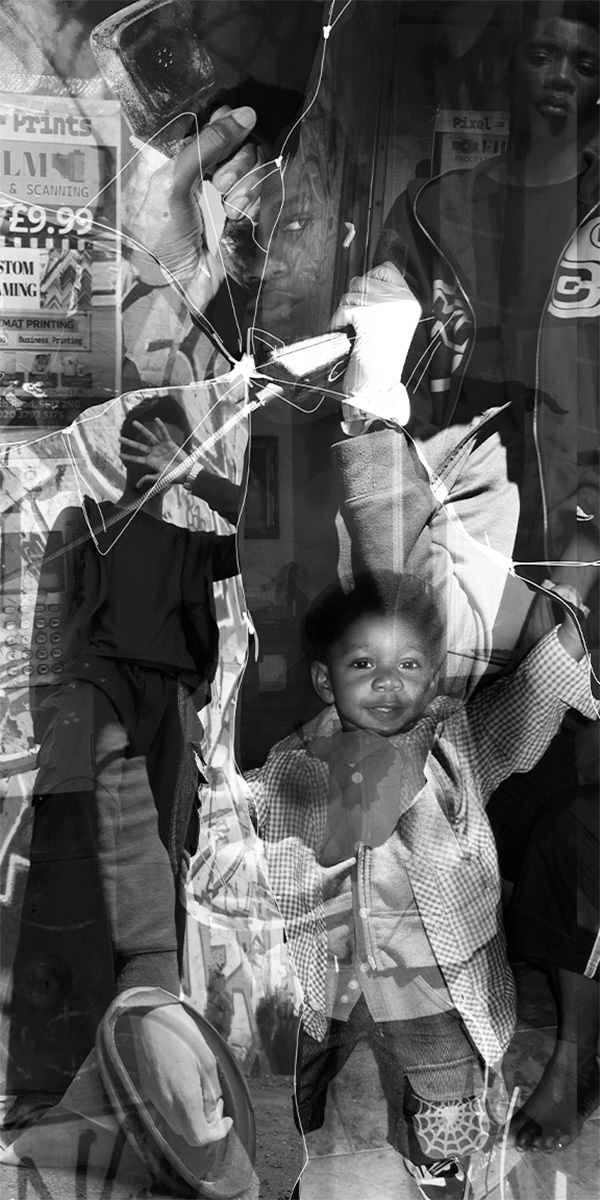
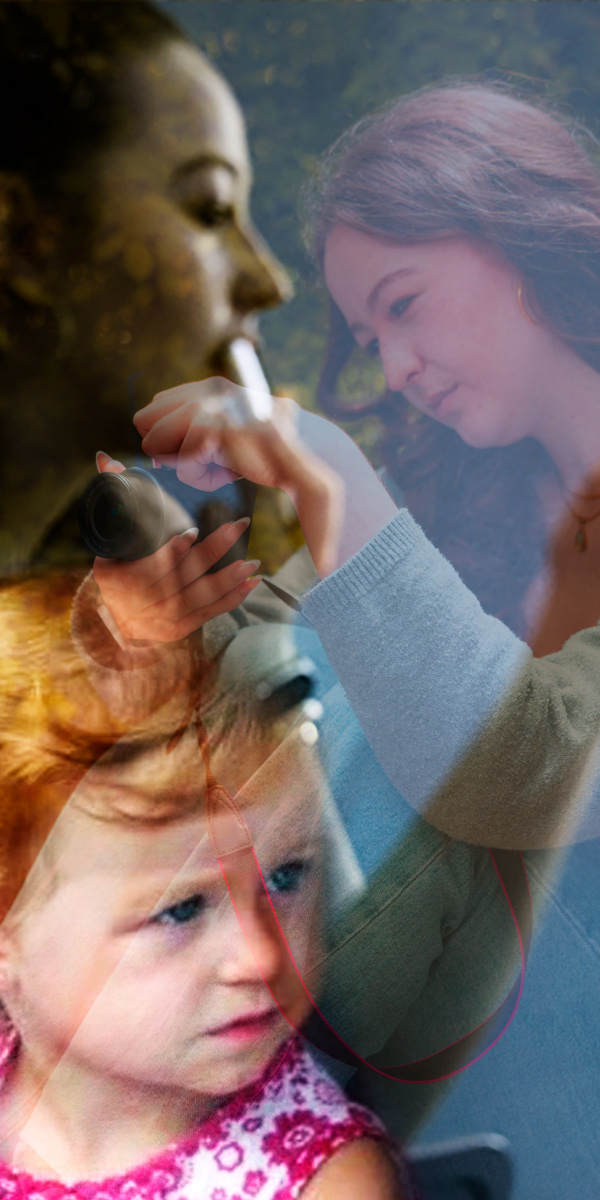
My work focuses on identity, mental health and fragmented self. My series is heavily based off of different parts of me. I made my work by digitally shooting on location, using my old childhood photos and using photoshop to layer them. I used double exposure and digitally drew cracks over the work to highlight the concept of fragmented self and as a nod to the artistic elements of my personality.
I specifically used darker areas when shooting on location to contrast with the light heartedness of the baby photo and had a more serious expression in comparison to the childhood photo. I wanted the phone to represent me talking to my other selves. With this piece I intend to evoke feelings of estrangement from our childhood selves and for people to question their identity.
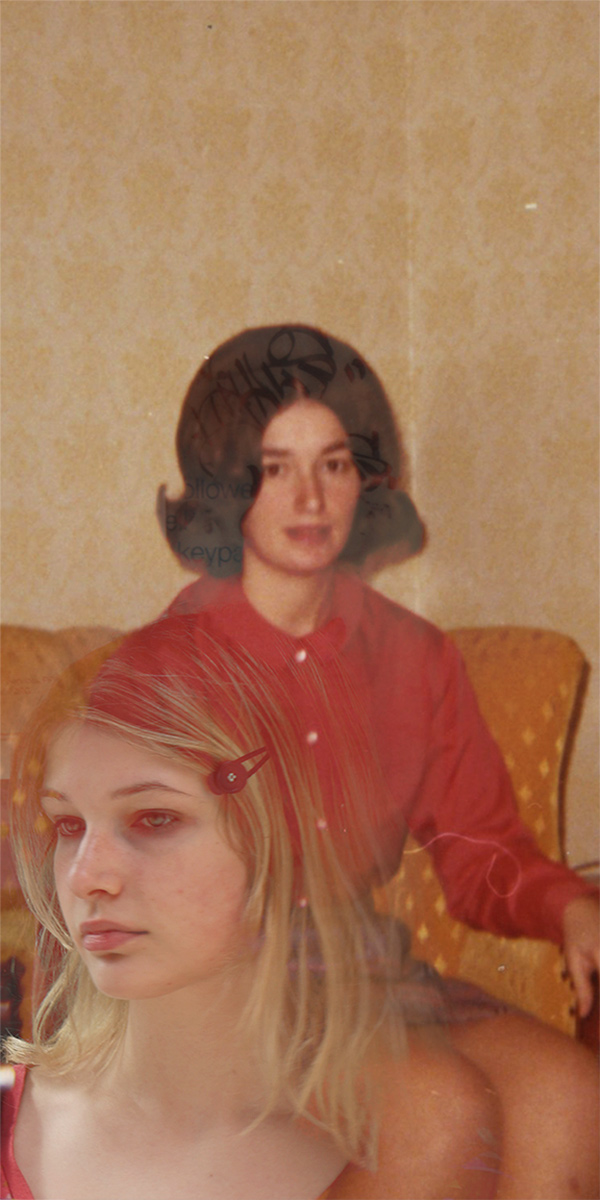
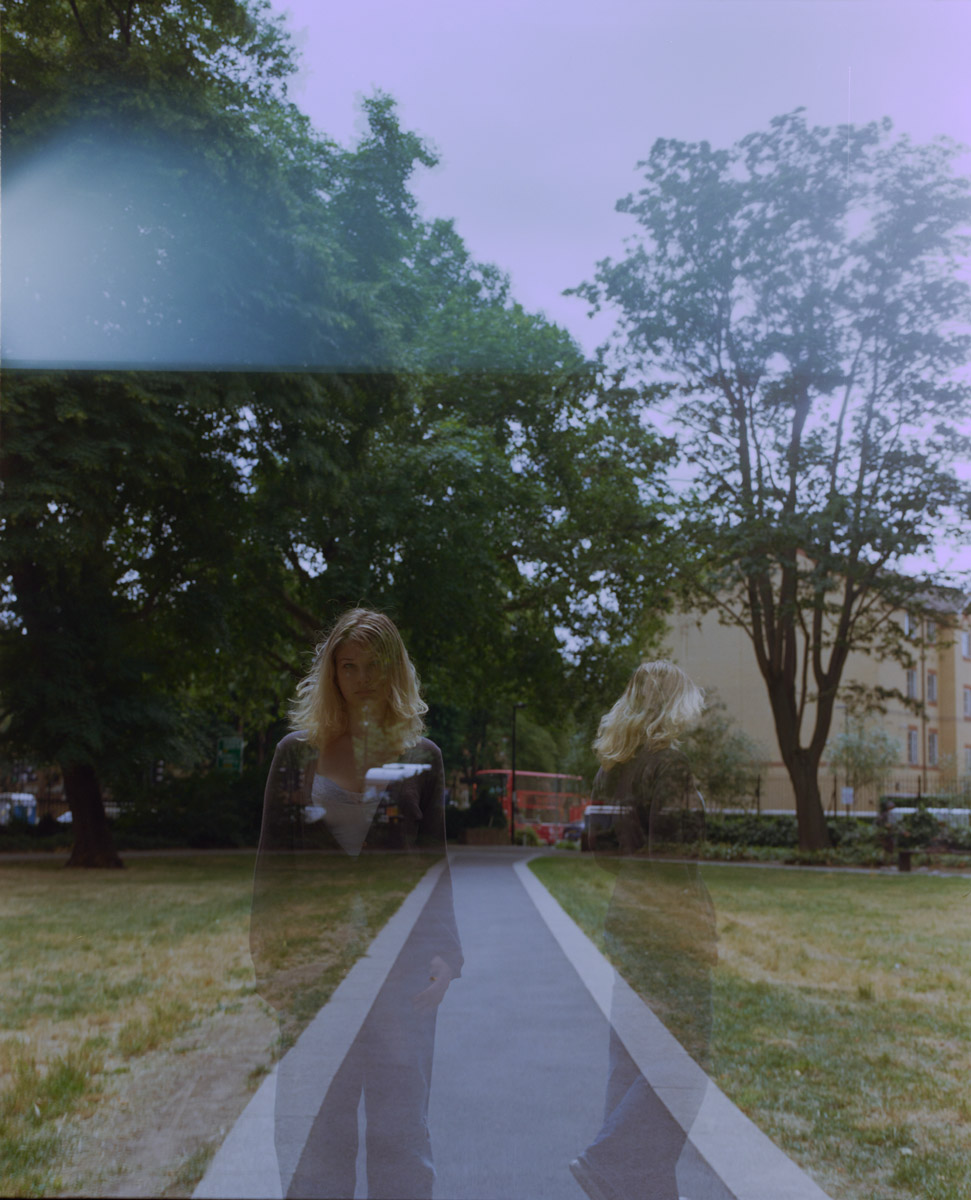
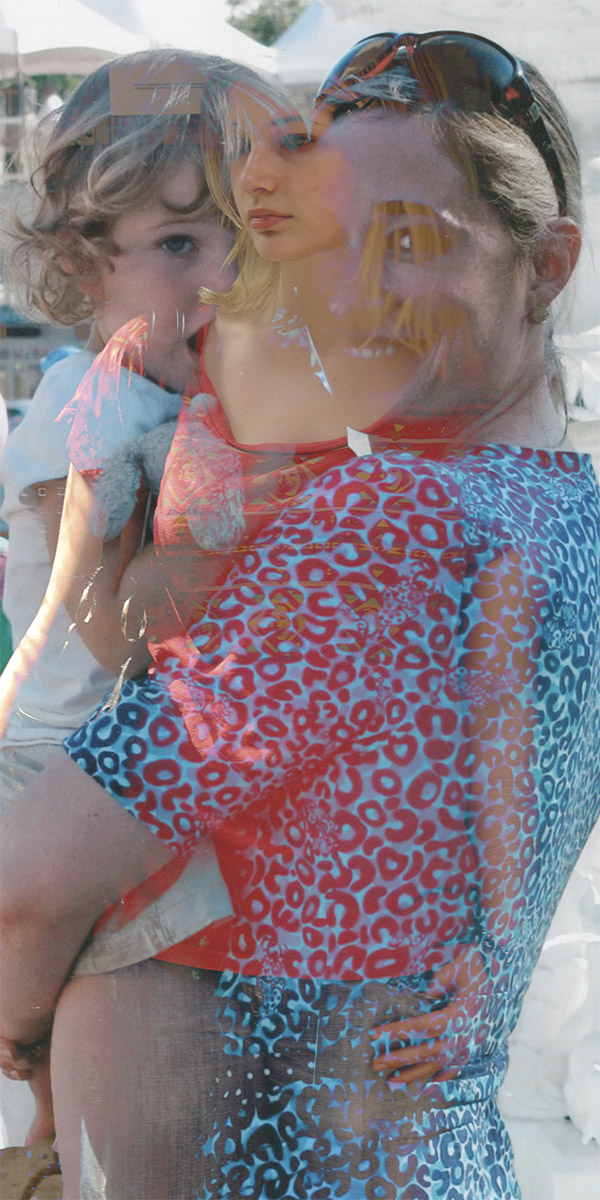
In this work, I bring together past and present generations of women in my family using double exposure. Exploring the theme of coming of age, I layered an archival photograph of my grandmother in the 1960s with a portrait of myself today in 2026. Despite cultural shifts and decades passing, the piece captures how deeply connected I remain to the women who came before me.
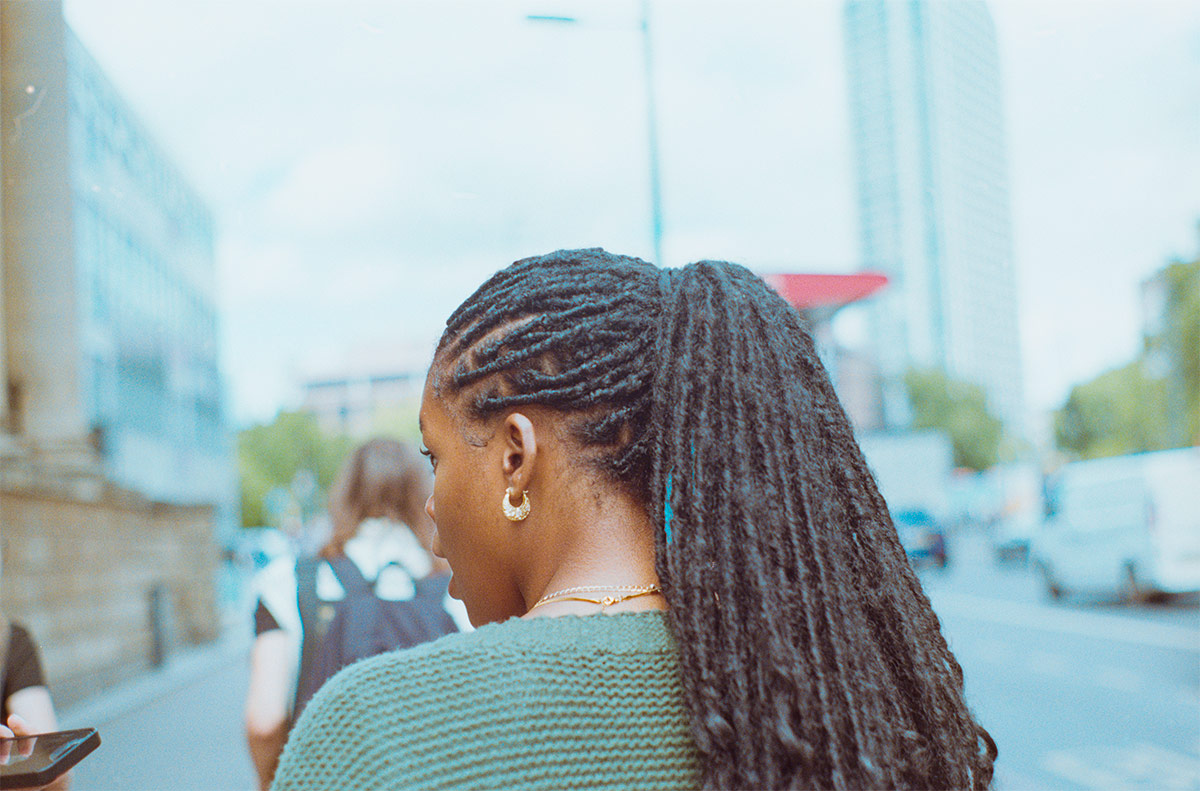
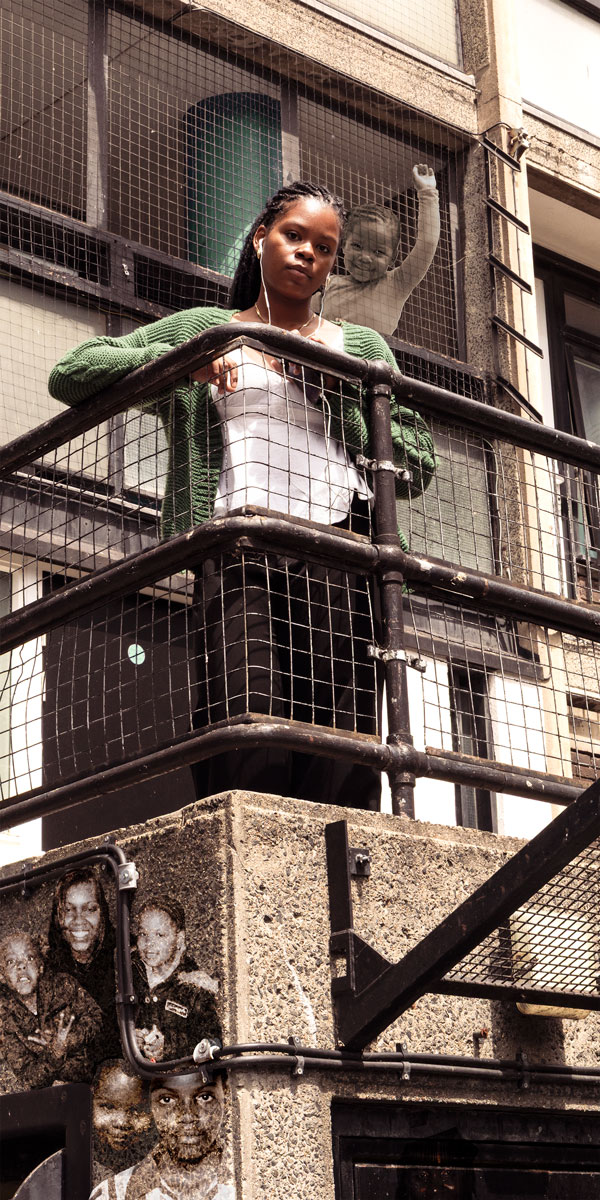
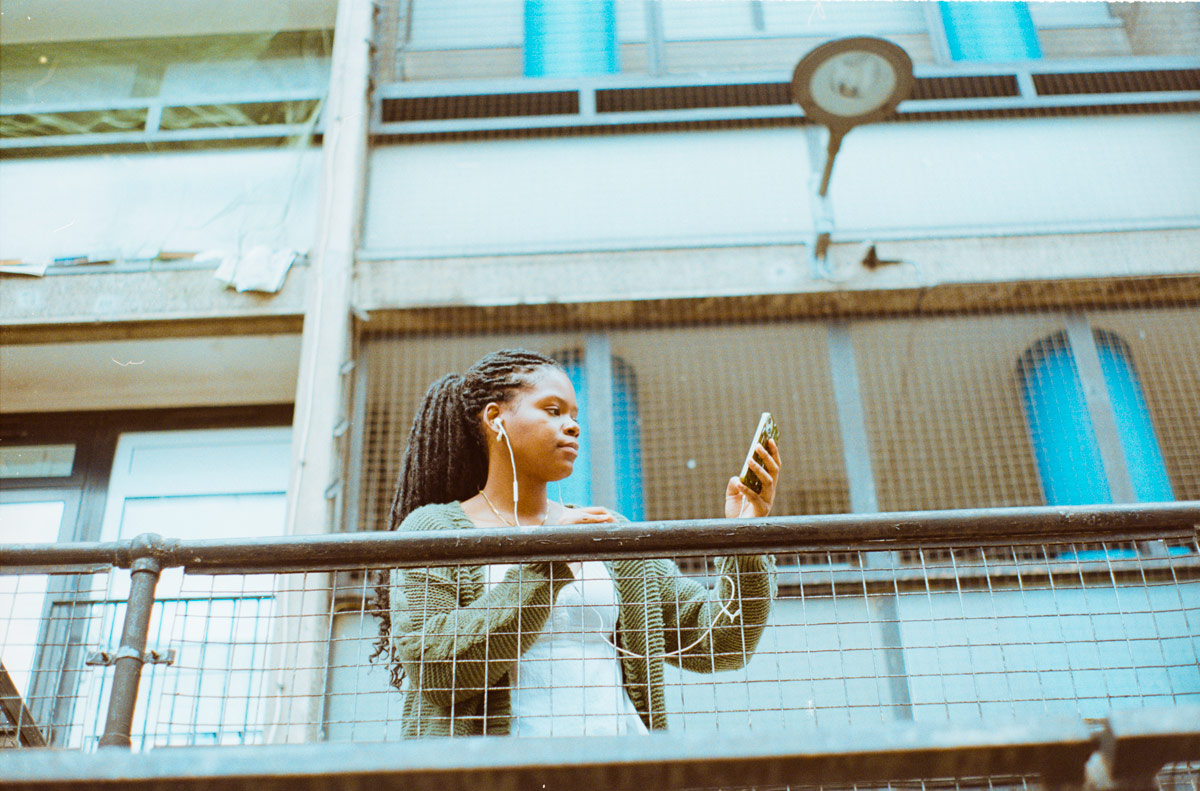
I used to see growth as an act of complete transformation, moving out of my old body into the next. Yet within this mindset, as my external environment changed, I found myself questioning who I really am and where I belong.
This work reflects my realisation that growth is a process of curation, not transformation, and that acceptance is where belonging rests. Rather than stripping off the wallpaper and packing boxes, it is about curating a gallery of every version of yourself: from my younger self building snail houses to the almost 18-year-old navigating times of mental strain.
Through double exposure, archival objects and mixed media collage (incorporating my comfort jewellery and childhood photos), I explore these layers. While my style, my favourite colour, and my body may have changed, constants remain: my smile, my creative drive, and the peace I find in making art - providing a foundation for who I am set to become.
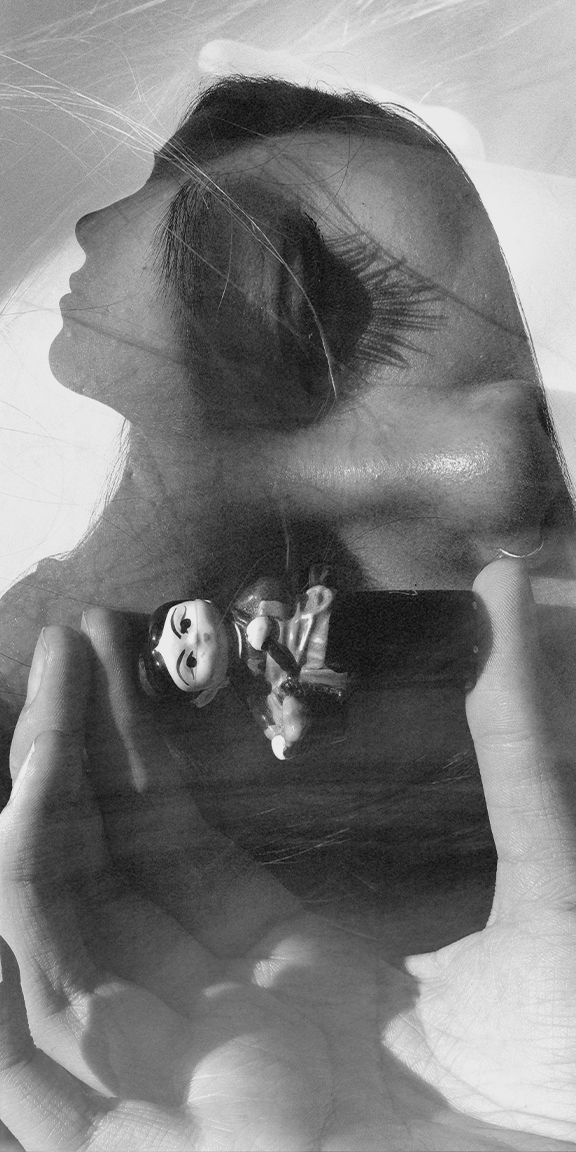
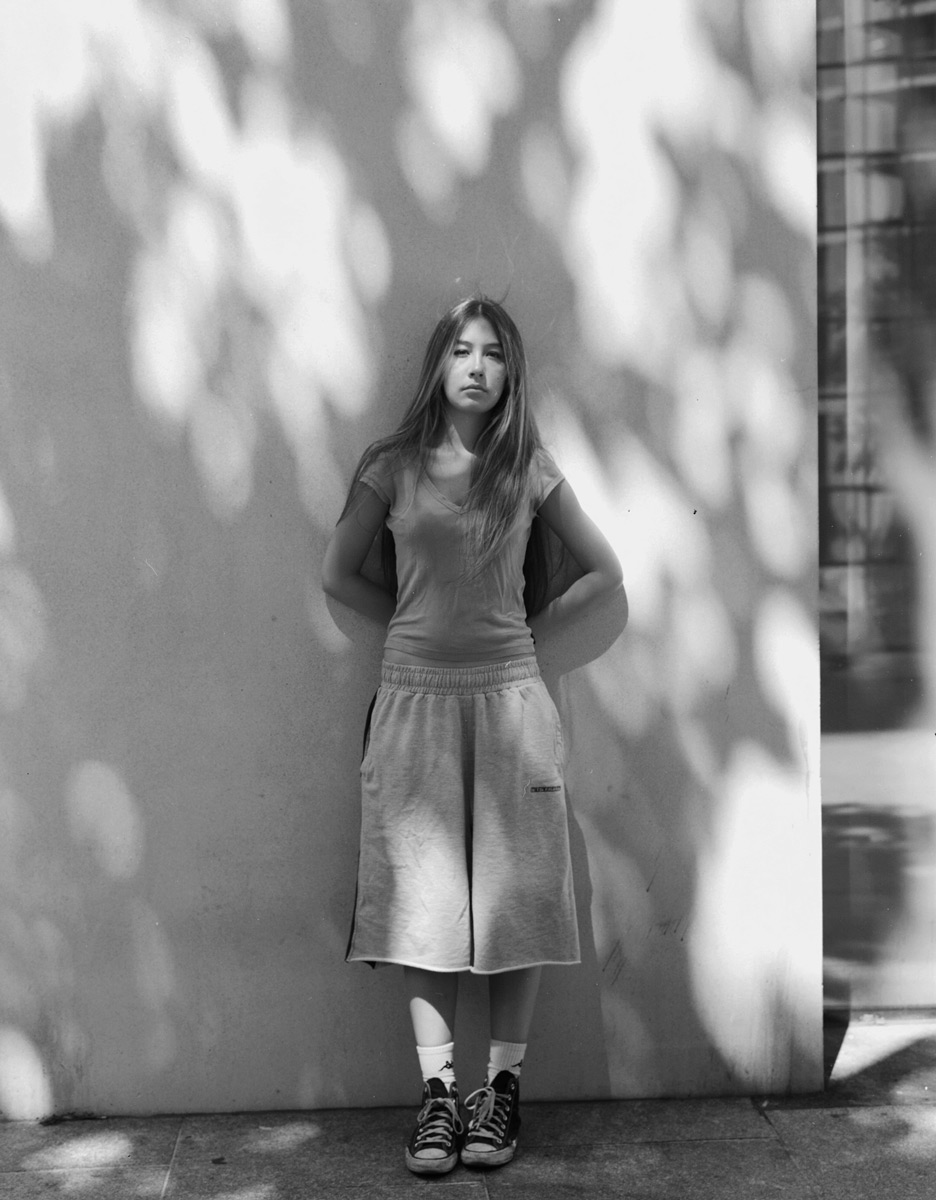
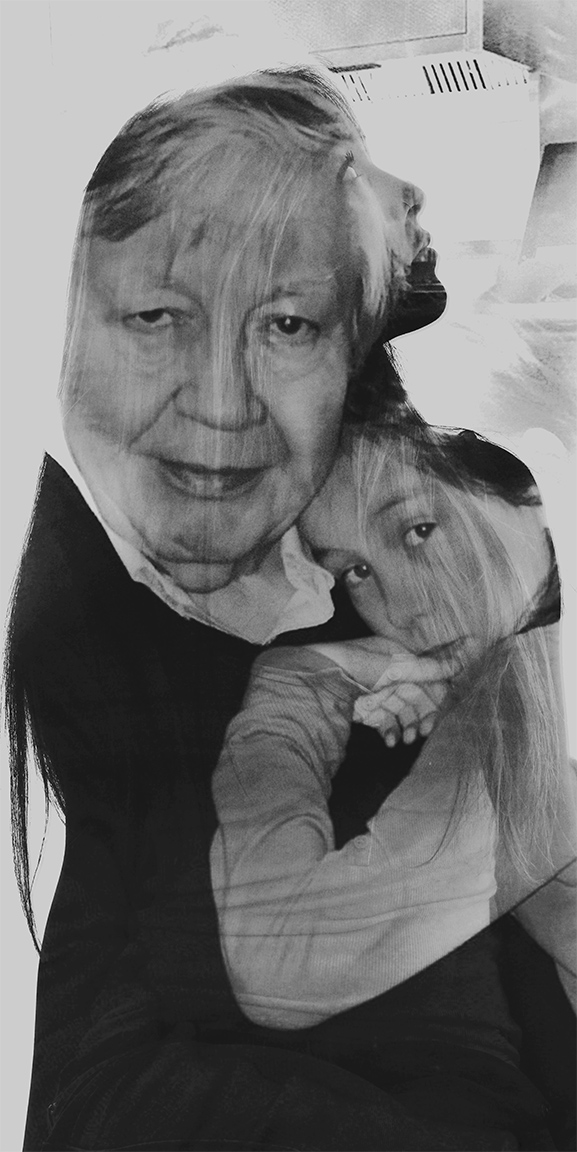
I started using my grandad’s cameras after he passed away as a way to connect with him. My work is a way to honour him. I usually photograph other people, but I found it interesting to see how I can use photography to show how I view myself rather than other people for once.
This image is about connecting with my culture, something I’ve shied away from but I am looking to embrace more.
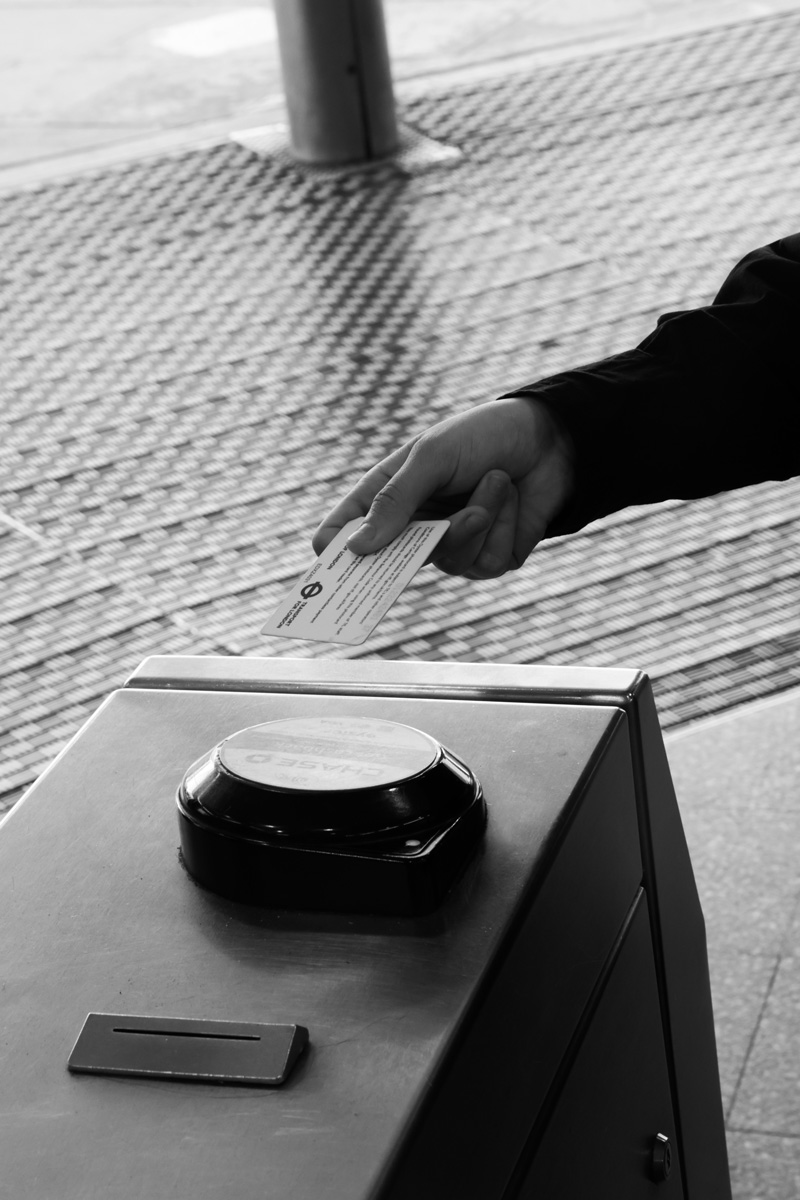
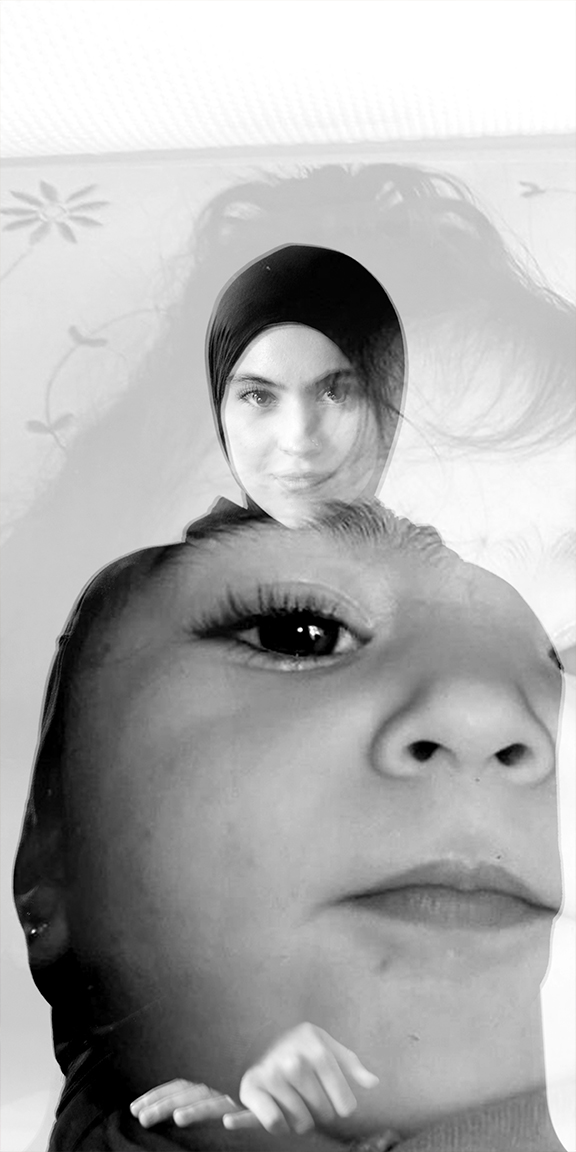
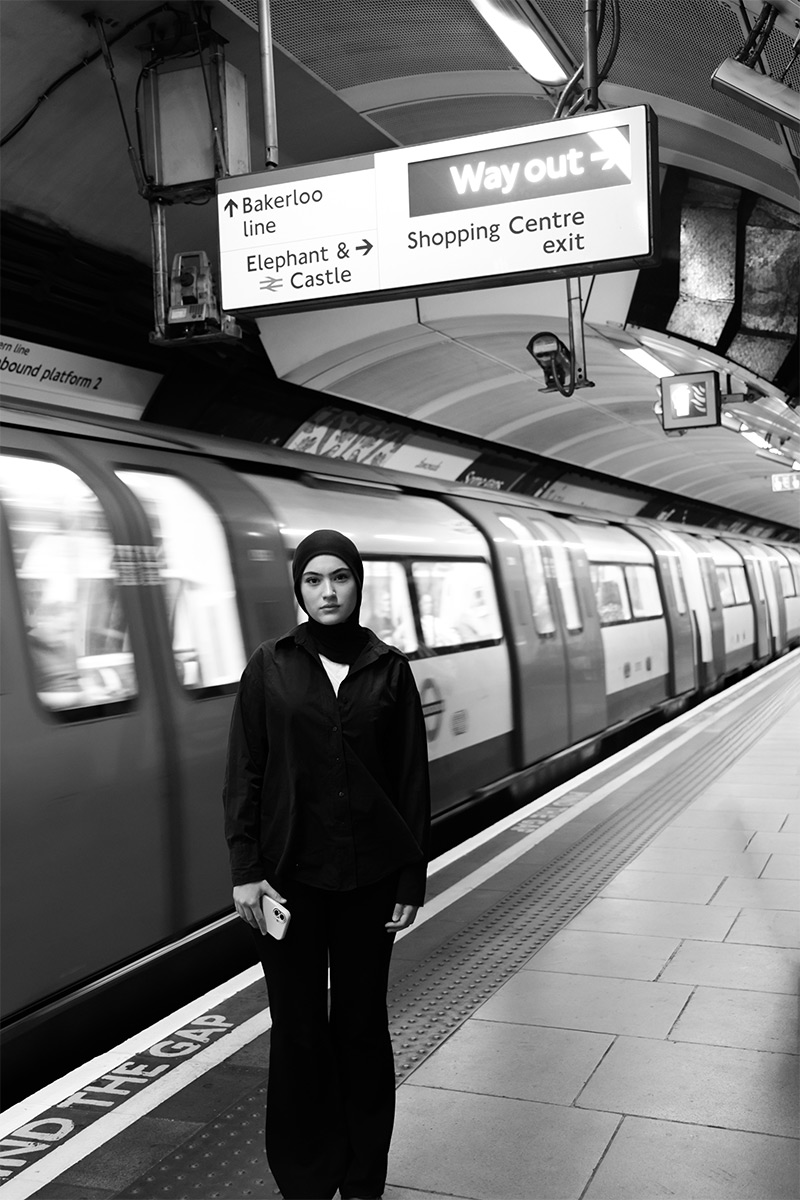
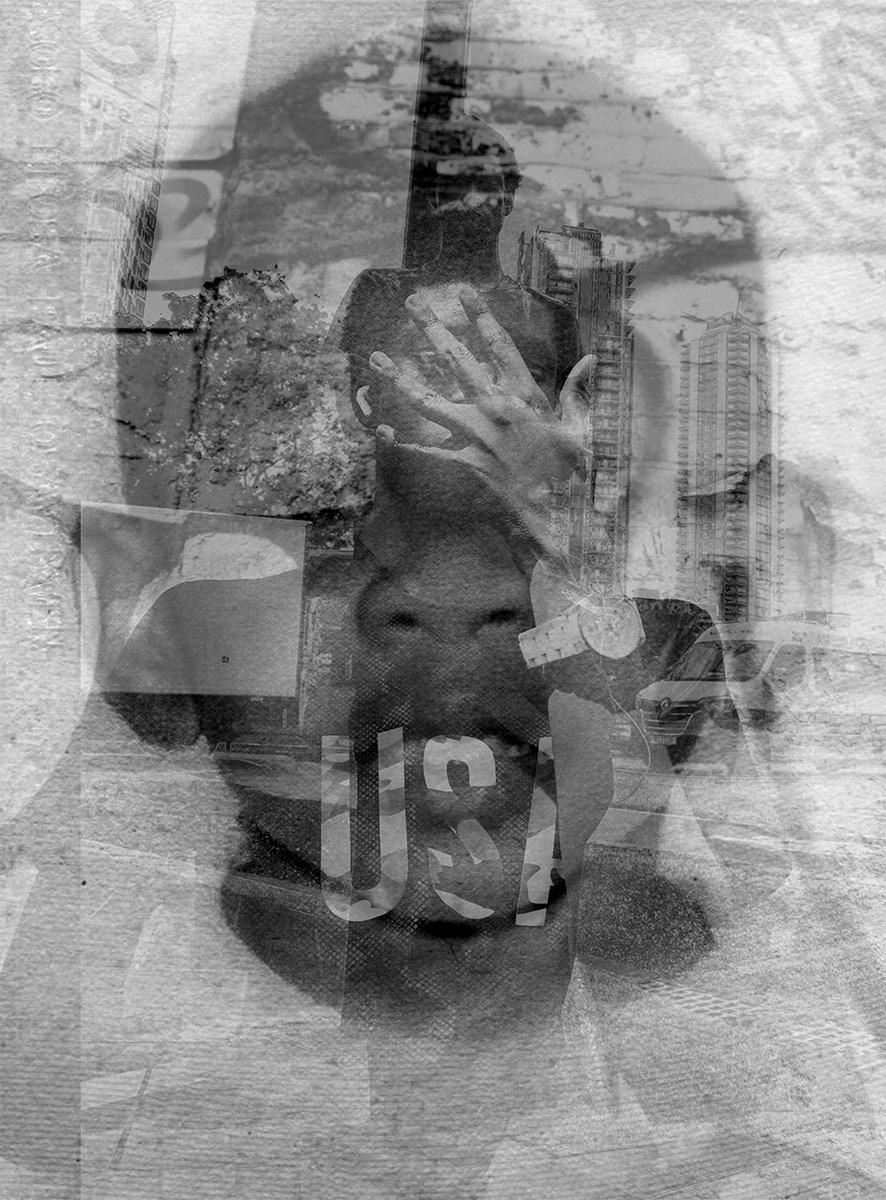
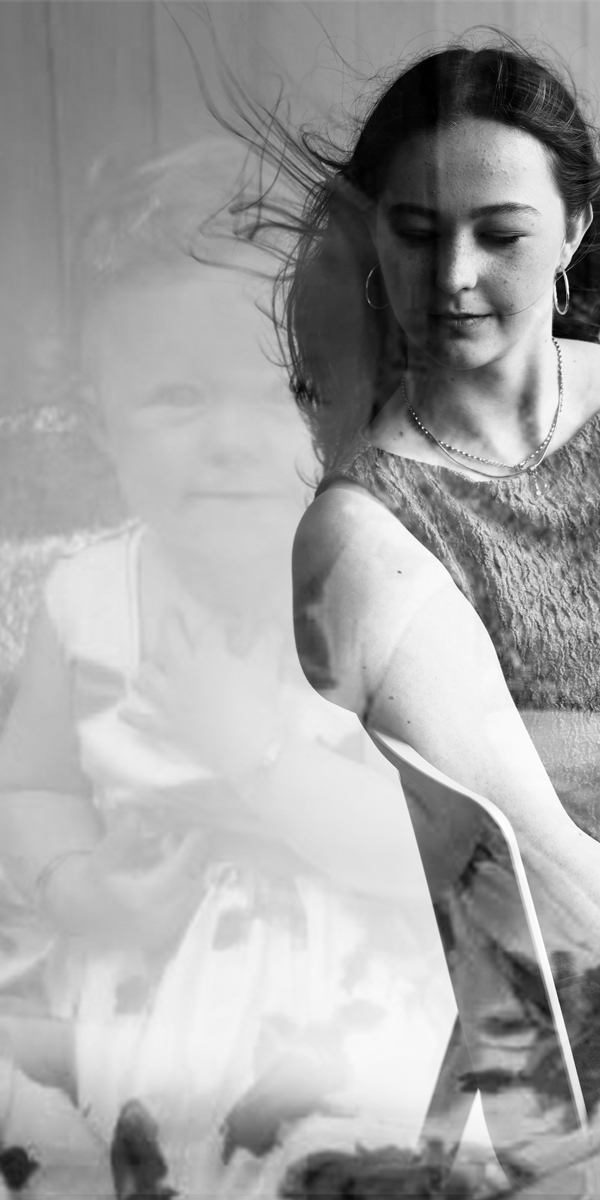
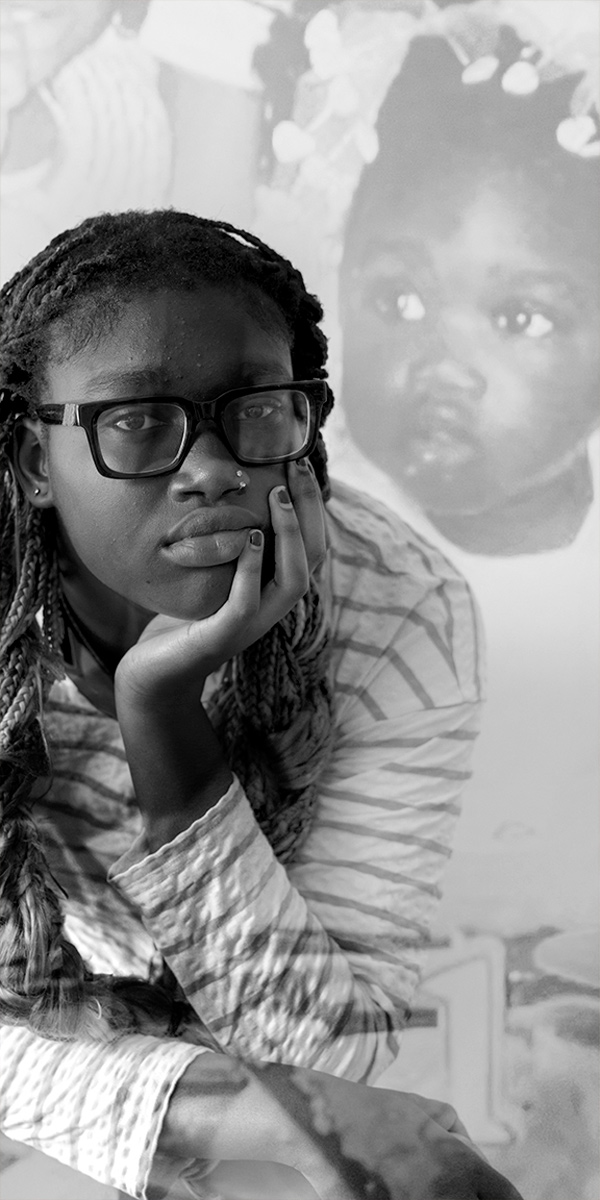
I've always had an interest in cameras and capturing things that people don't usually notice. Through Common Ground I have explored different mediums, but for my final piece I settled on digitally layering a recent portrait of myself over a film image of me at around two years old.
I chose black-and-white with heavy contrast because stripping away colour removes distraction, leaving only raw emotion and shadow. The focus falls entirely on the gaze. People often tell me my eyes are where they feel an immediate connection, and in these portraits, they act as the anchor, telling the story of who I was and who I am now.
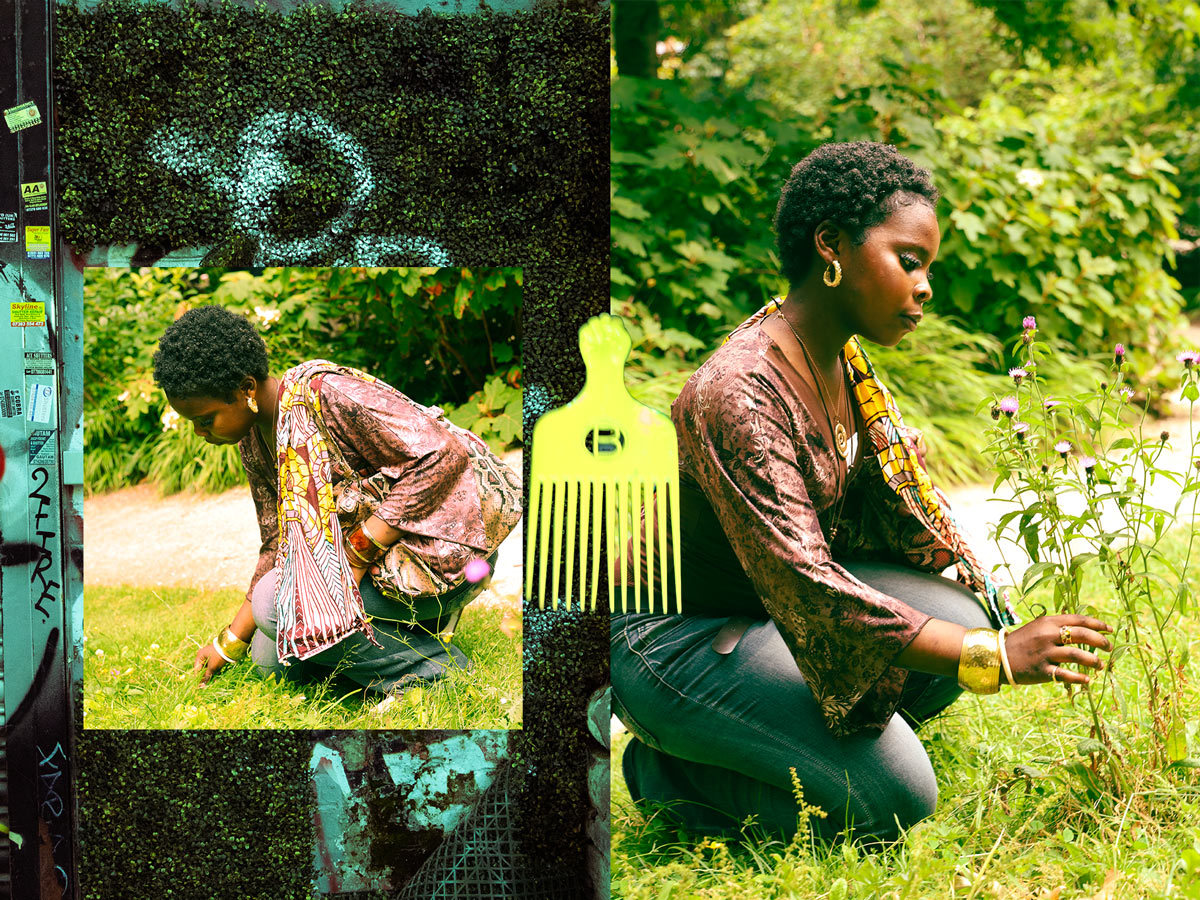
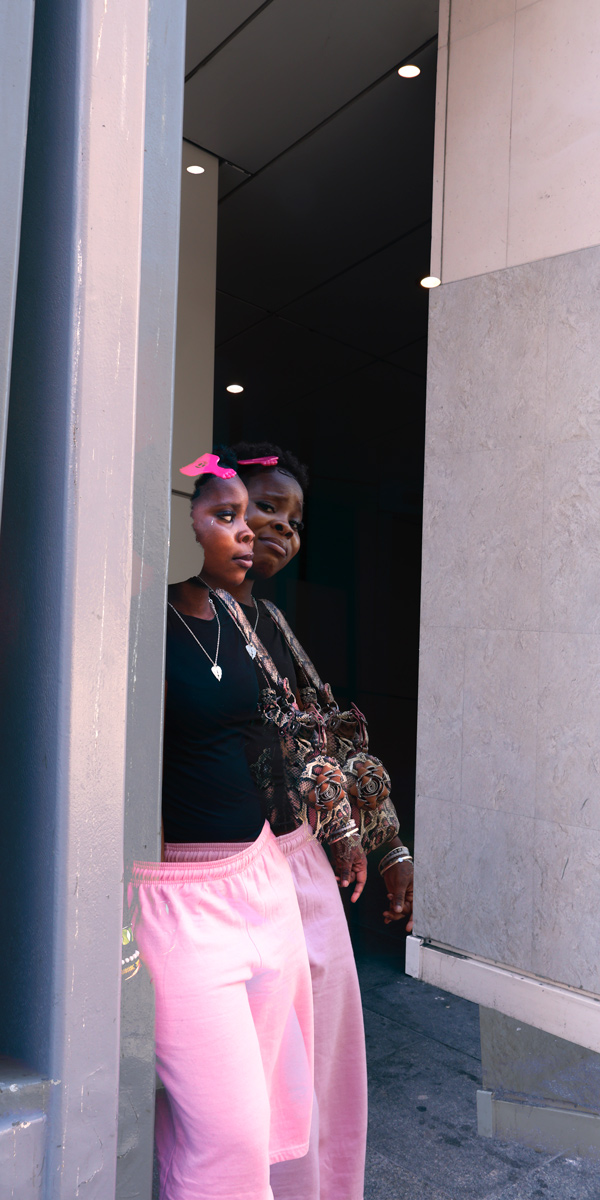
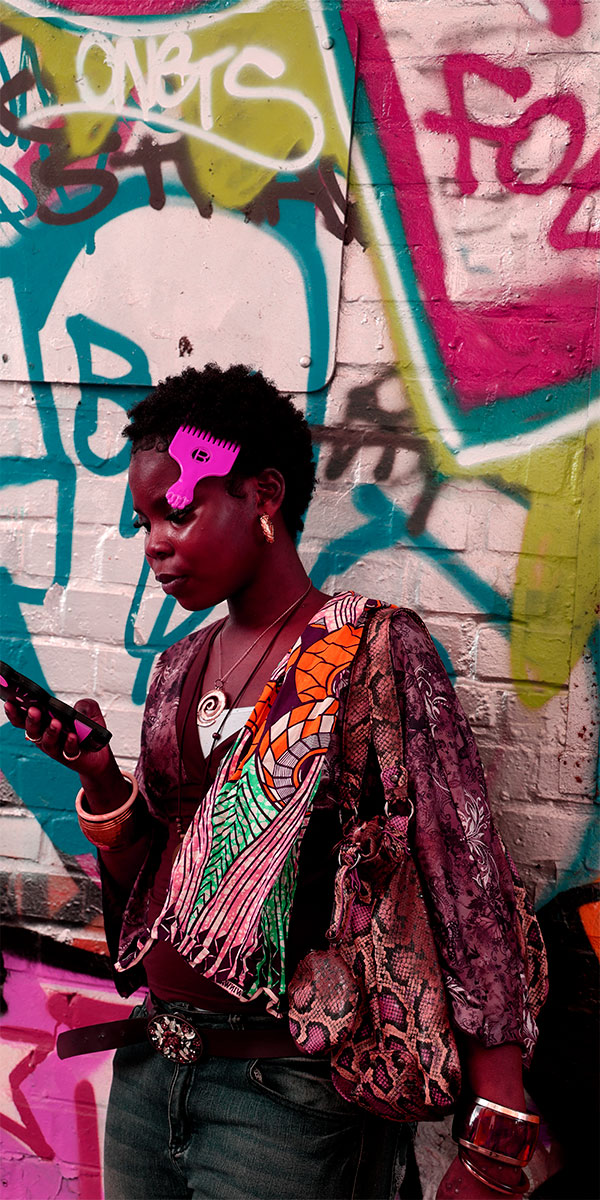
This work explores my journey toward self-confidence and overcoming the fear of being perceived. In most of my images, I look directly into the lens, confronting the viewer head-on rather than shying away.
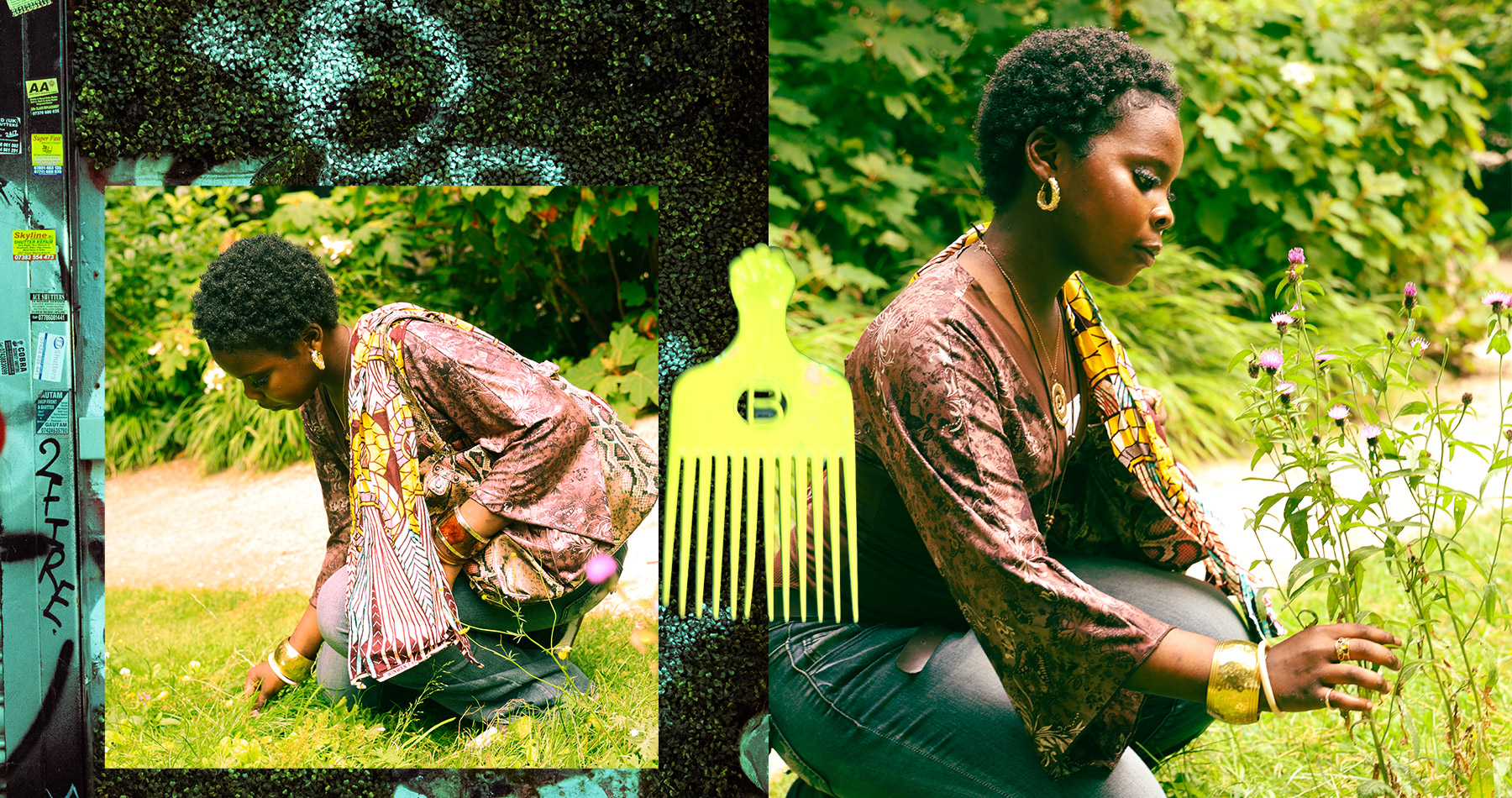
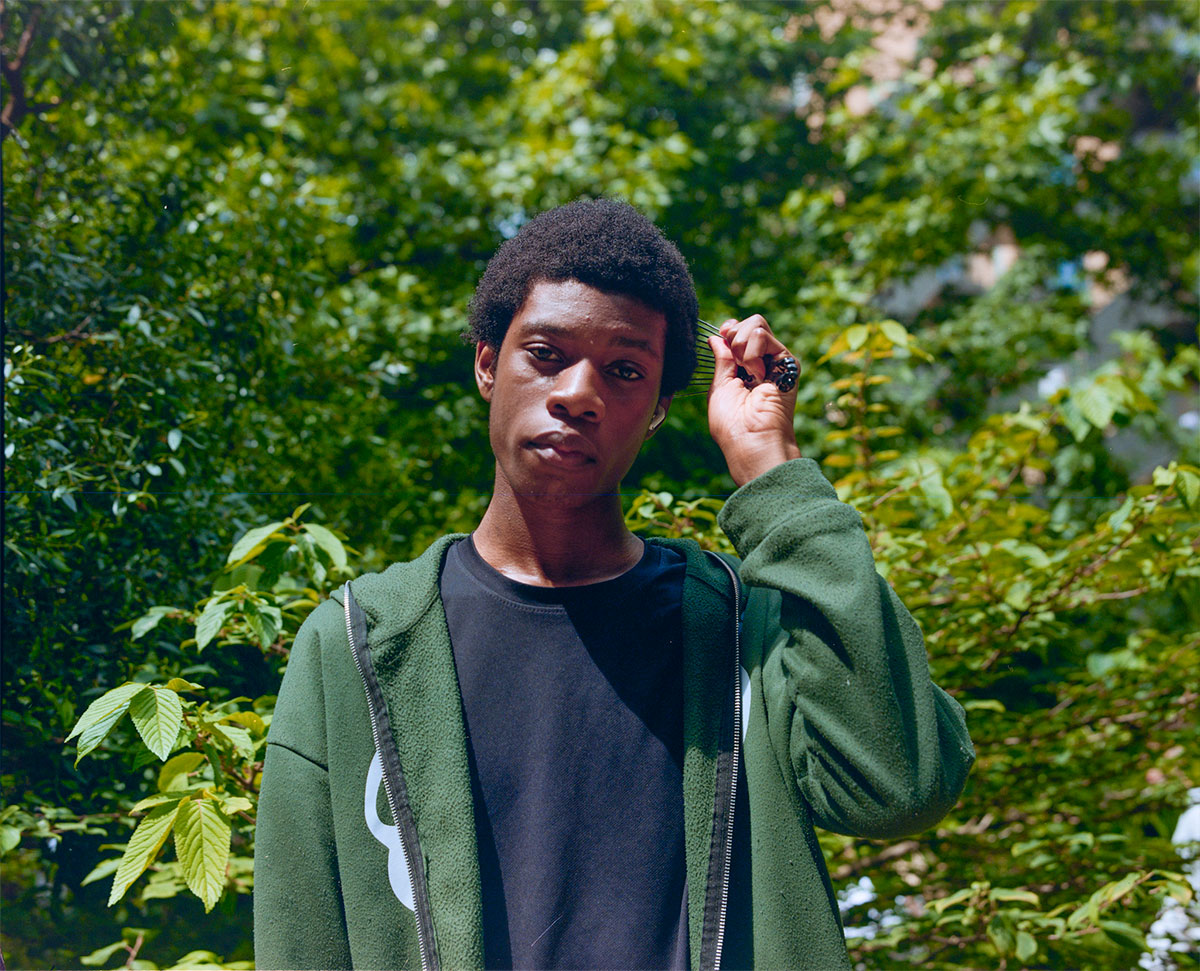
By including personal objects like an afro pick, traditional Ghanaian fabric, and wearing my natural hair, the work celebrates my identity as a Black girl and my growing self-acceptance. It challenges the stigma that Black girls should feel ashamed of their culture, rejecting the notion that we are a monolith rather than distinct individuals.
Through vibrant colours and personal symbolism - including a spiral necklace representing how self-acceptance is rarely a linear path - I want to celebrate my individuality alongside my Blackness.
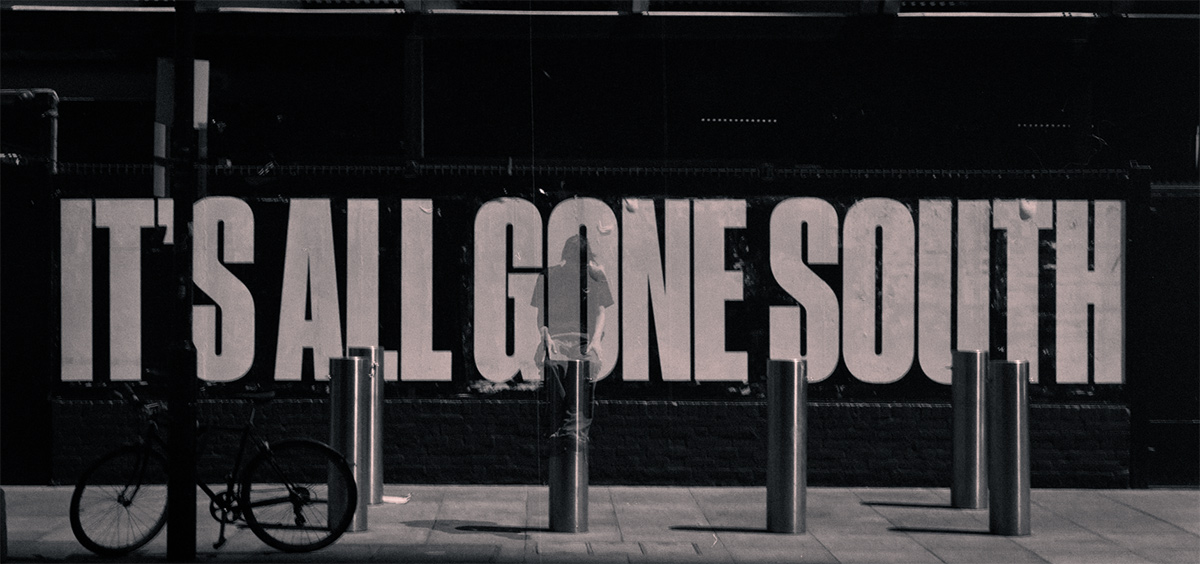
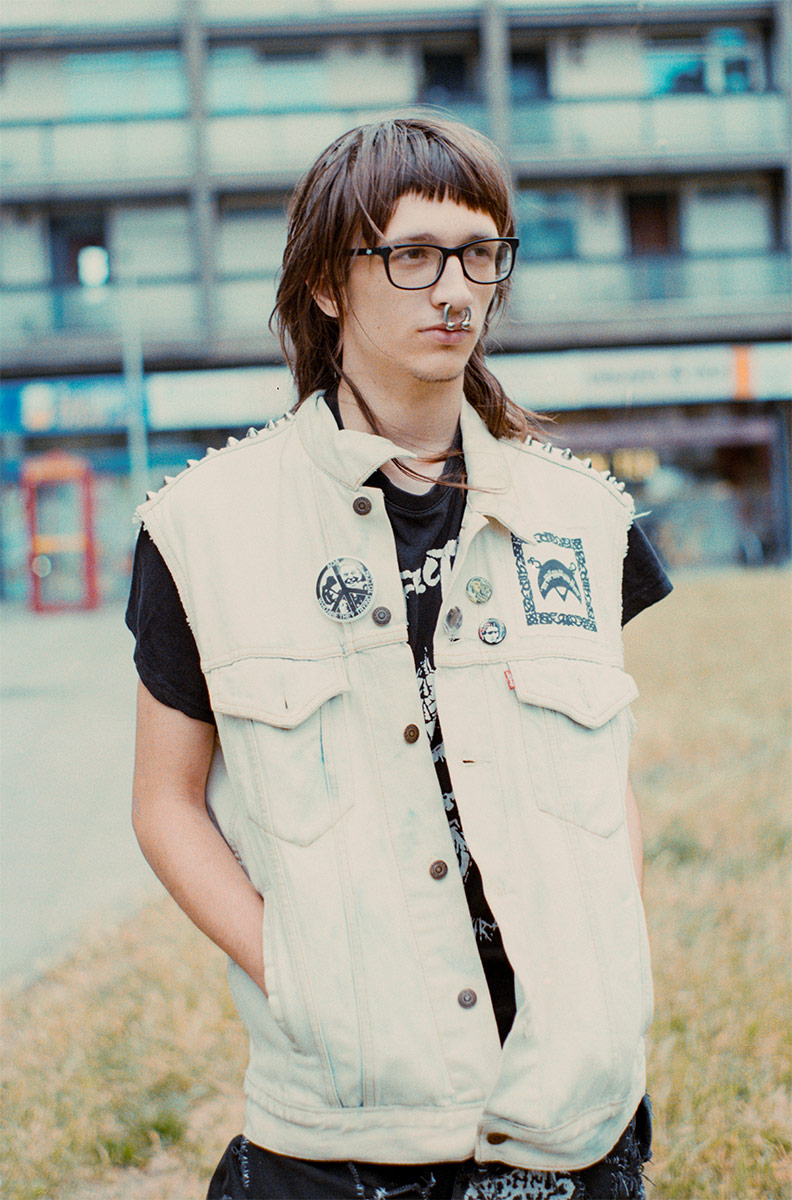
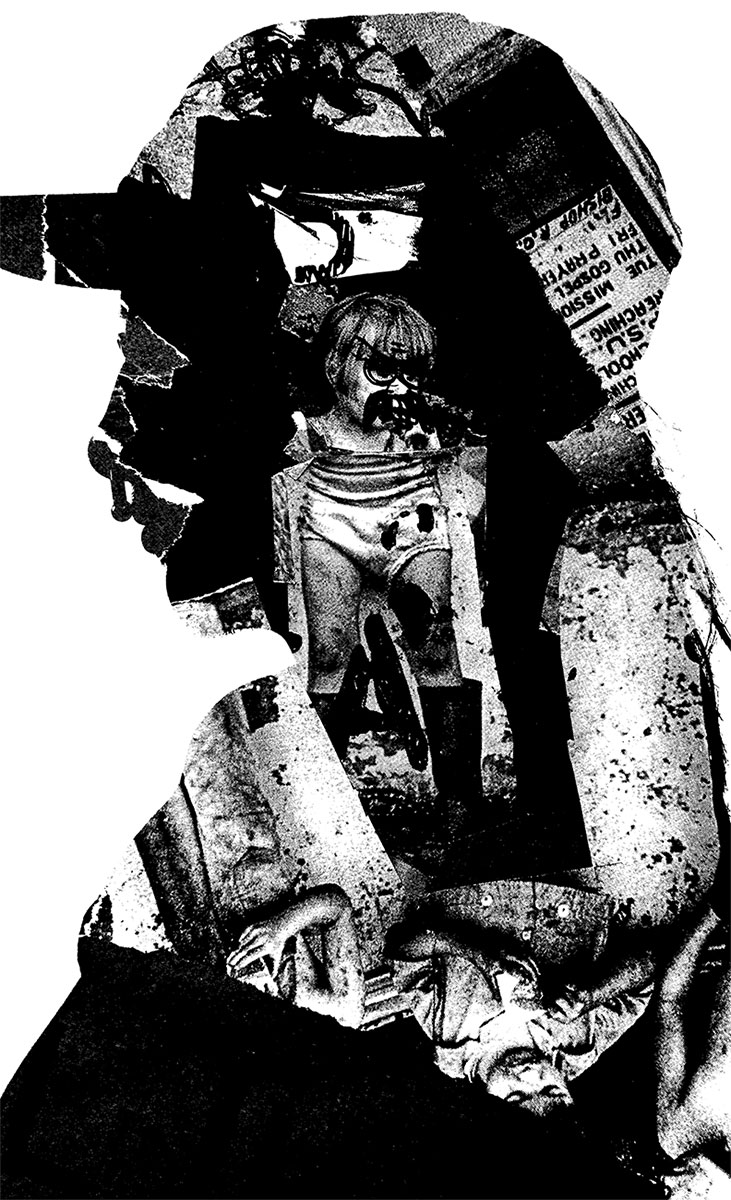
I want to highlight the imperfections of things. Using film means each shot is unique, with a grain and texture that can’t be replicated. I’m naturally drawn to the grittier sides of life and the issues people often avoid talking about.
A large part of how I express my individuality is through my physical appearance; my clothes and nose ring are simple ways of putting my identity forward. Growing up, I realised my path wouldn't look like everyone else's because of my experiences with OCD and mental health, but over time I've learned to embrace the parts of myself that don't always fit into conventional spaces.
In this work, I wanted to subvert the stereotypes surrounding punk culture. It’s often written off as purely angry or destructive, ignoring the deep sense of community, kindness and activism at its heart. In our current political climate, where people’s rights and livelihoods feel constantly threatened, punk culture offers a vital space for resistance, care and solidarity.
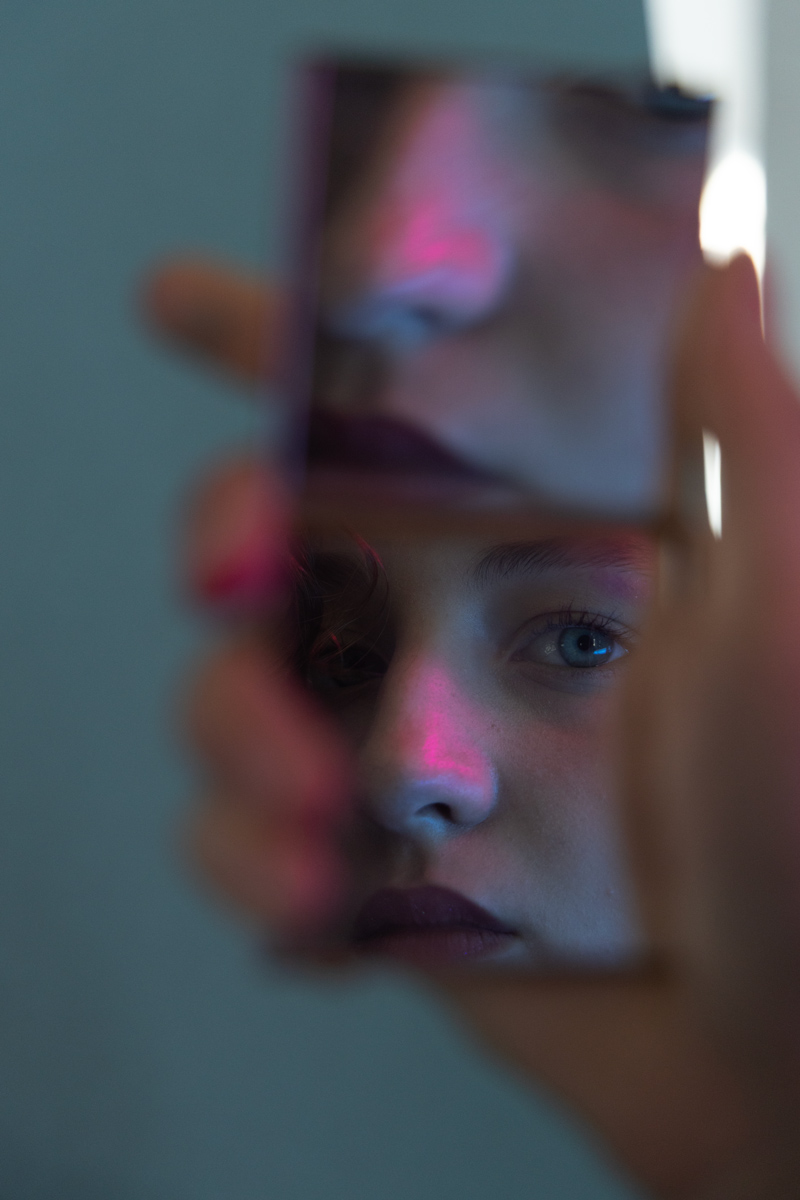
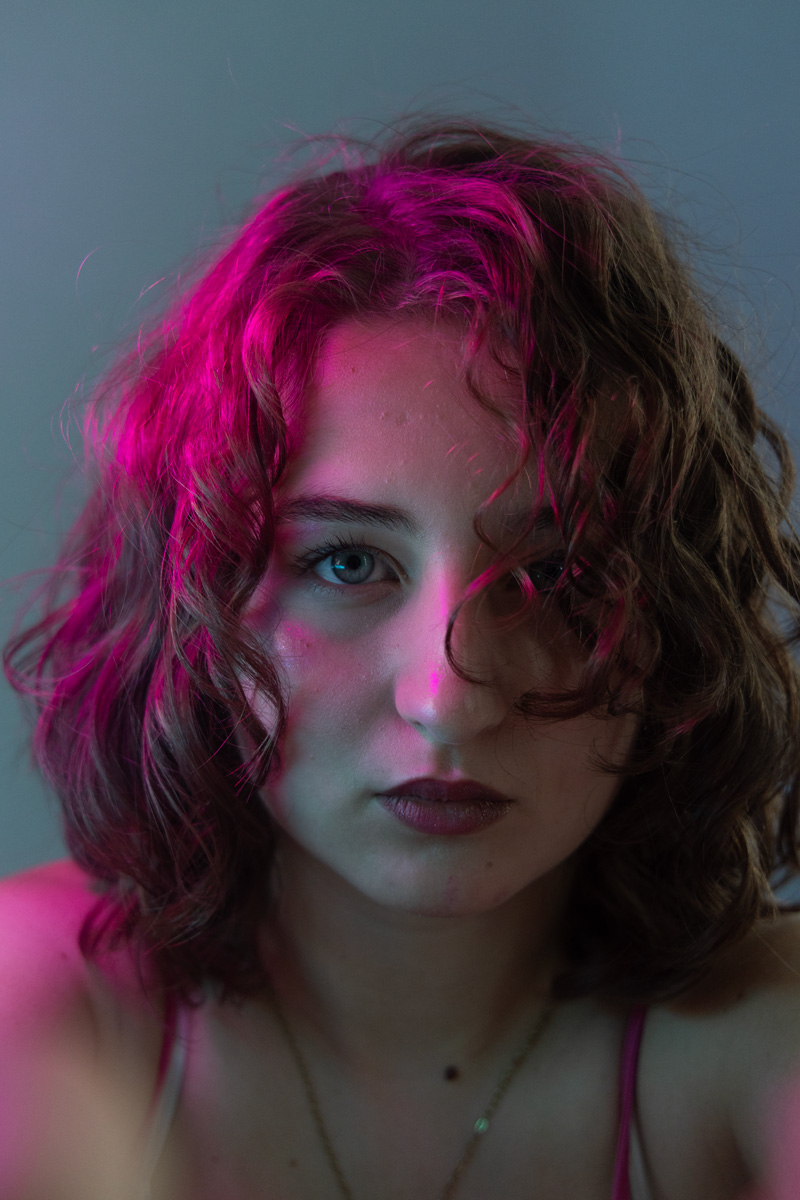
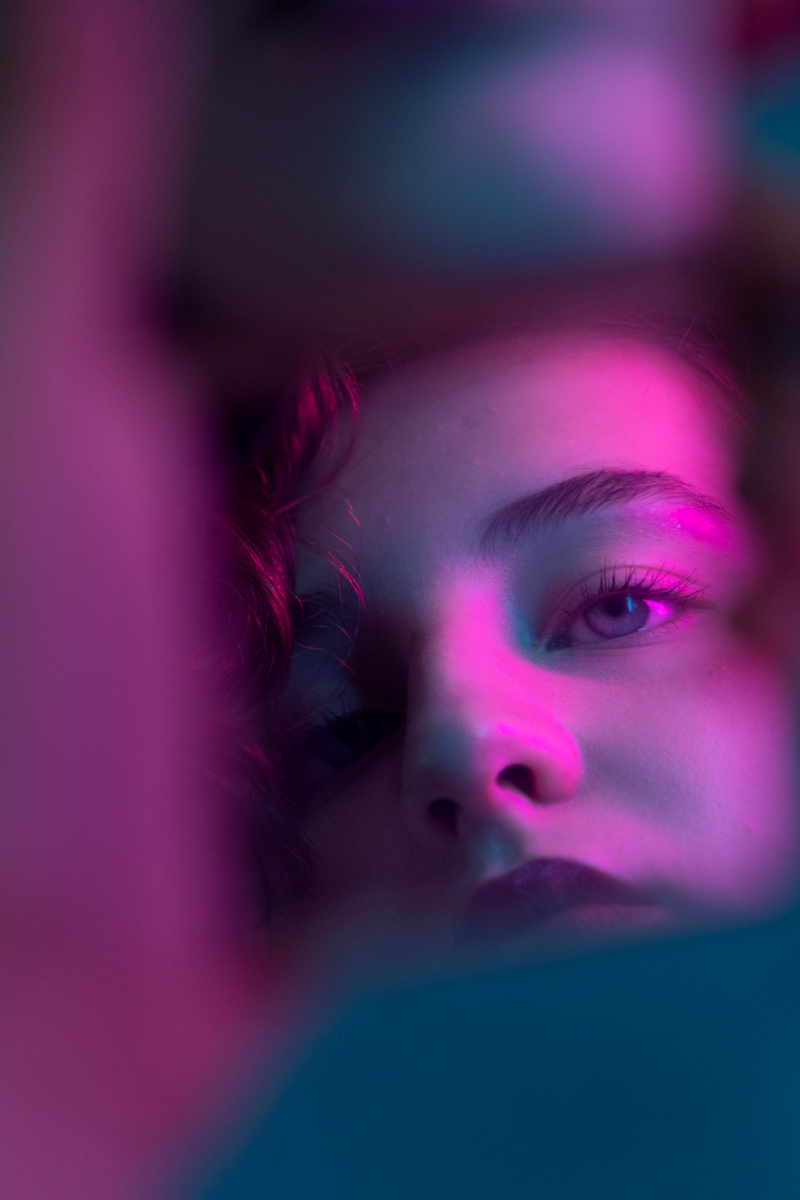
Being a second-generation Albanian immigrant in a small town in Italy, and later moving to London at 13, has affected what I believe I can do. Coming from an Eastern European background, you are less likely to put yourself out there if your home tells you to lay low and be “normal”. Moving to such a big city like London has crushed the restrictions I once thought I was obligated to follow.
In my work, I chose to look at myself in a mirror, reflecting my journey to accept that I am different, and that I don’t have to be what I was taught to be. Through these pictures, I realised I didn’t have to hide., I could take control and decide what and who I want to be, without constantly questioning if it was right or appropriate. I specifically chose something my mum wouldn’t like: bright, flashy, neon colours.
The choice to use pink and blue was deliberate because growing up, I hated pink. I didn't want to conform, and rejecting it was my way of pushing back against what is usually imposed on women. In this work, I allow both the pink and the blue to exist, simply because they reflect the different layers of me.
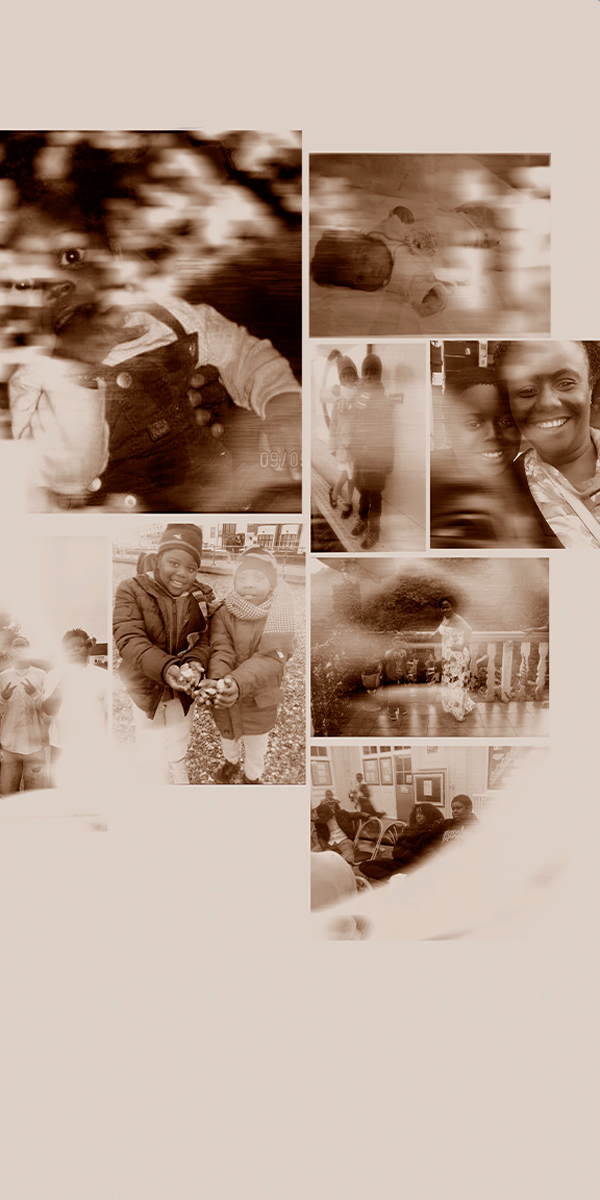
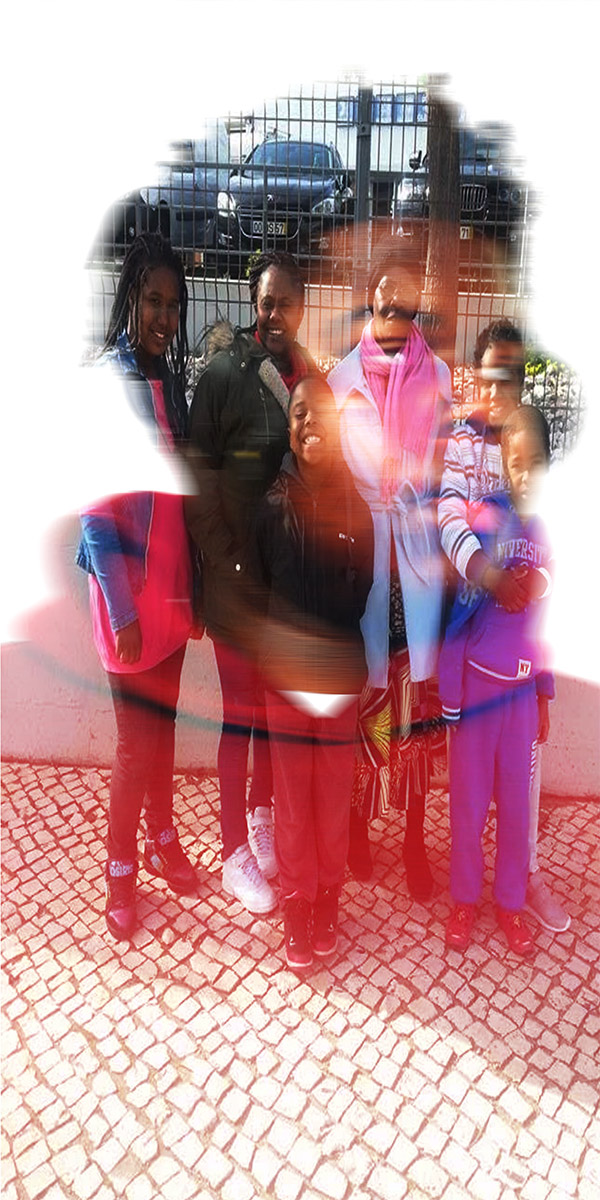
My work explores personal growth and the emotional shifts that come with growing older. As children, our energy is often light, joyful and spontaneous, but time brings heavier responsibilities, quiet moments and fatigue. Even as those pressures mount, the piece highlights how important the steady support of family and friends remains in helping us carry that weight.
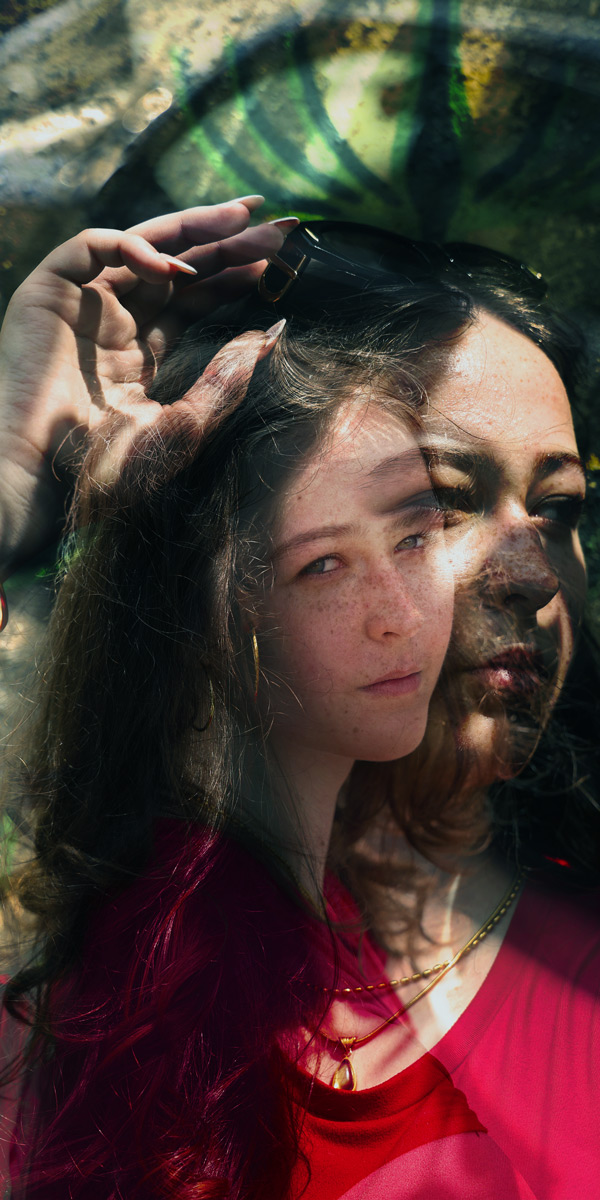
Growing up neurodivergent, I spent years trying to adapt to different social settings, often creating fragmented versions of myself just to survive and fit in. I remember my mum worrying about my future and at times I struggled to navigate an education system that felt like it wasn’t designed for me. But I thrived and still continue to thrive.
Leaving secondary school enabled that. I found my people and I began to accept the different sides of me, instead of seeing them as fragments and contradictions. Through photography, I’ve finally found comfort and confidence in my own identity.
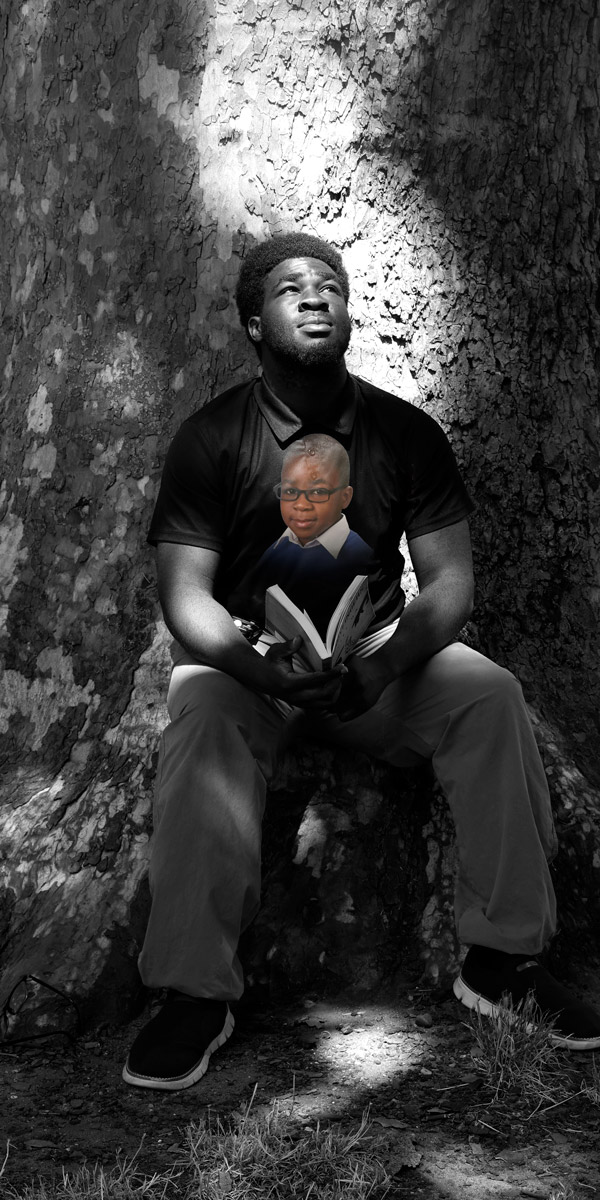
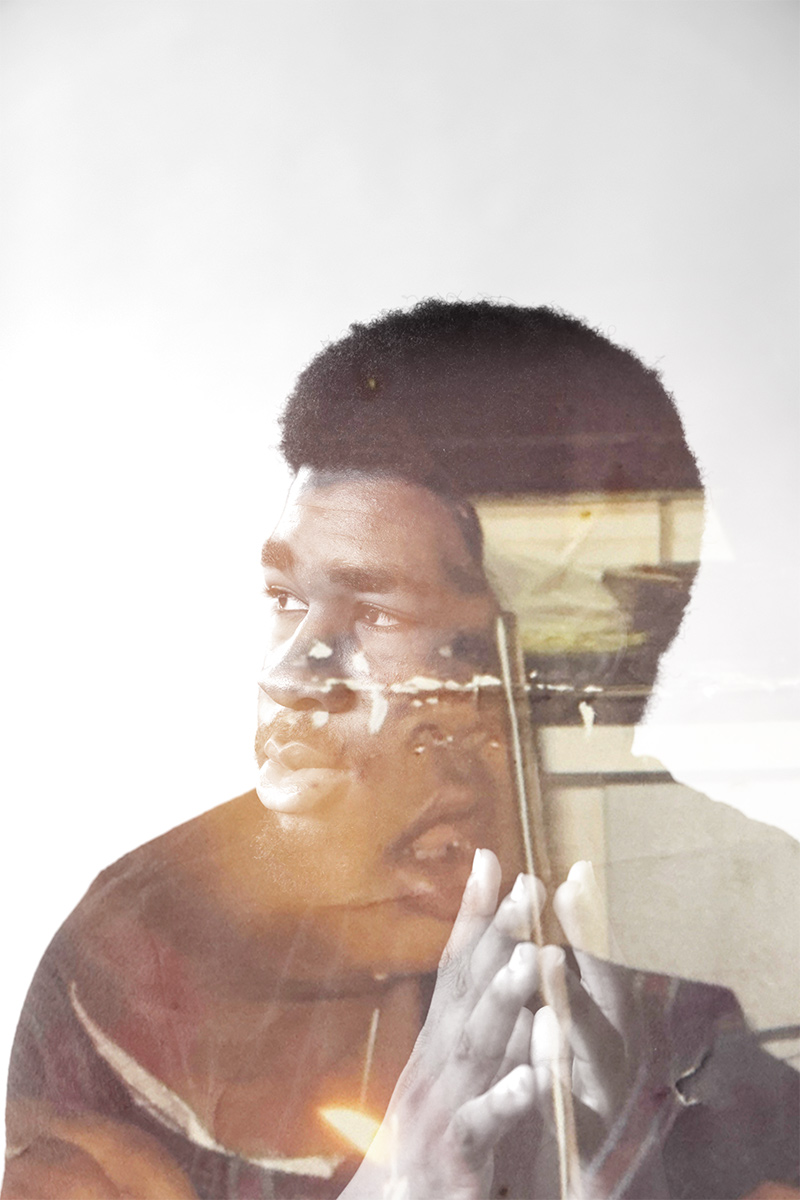
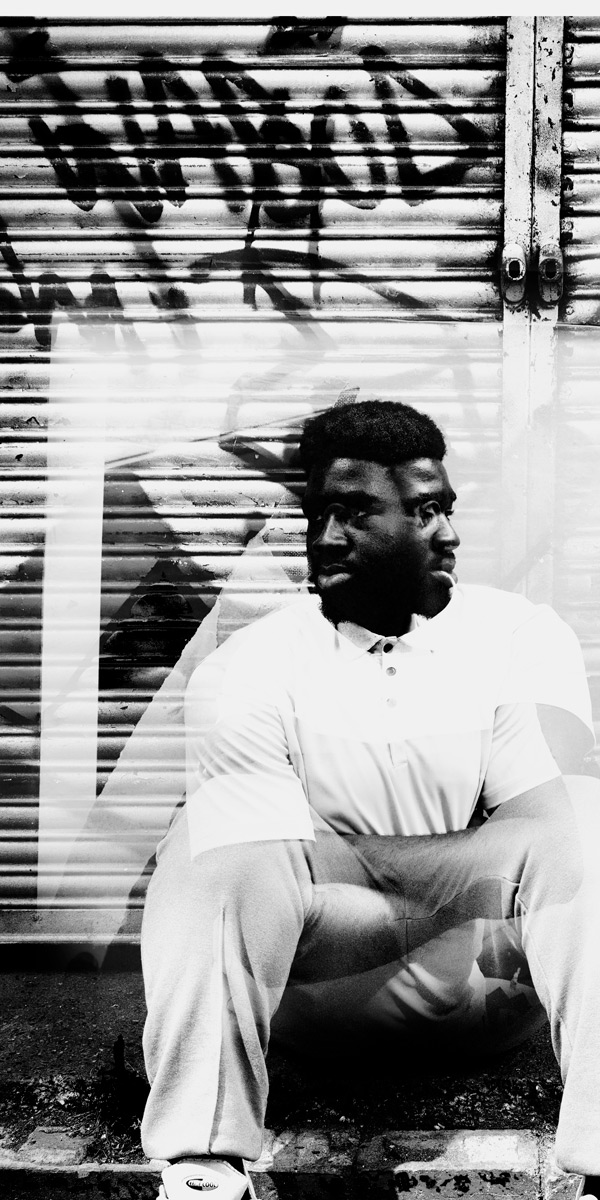
My artwork focuses on the connection between past, present and future. I appreciate my past as a vital time, shaping who I am today. I reflect and learn, improving from those experiences. My final work captures this reflection process – it portrays my younger self looking back, alongside the present me. My present is a consequence of my past, and my future will be a consequence of what I do now. I look back to what was, and act in the moment to shape who I will become. The real question is: who will I be?
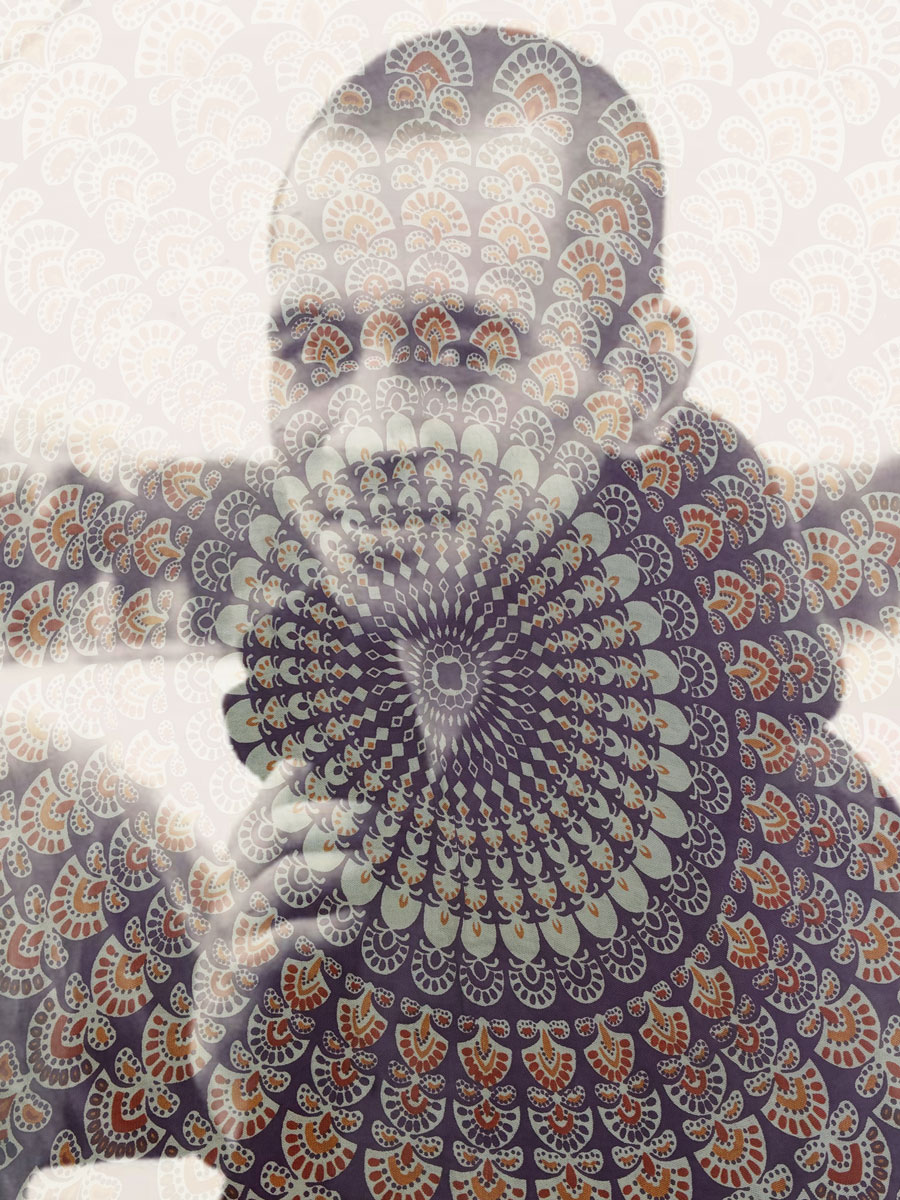
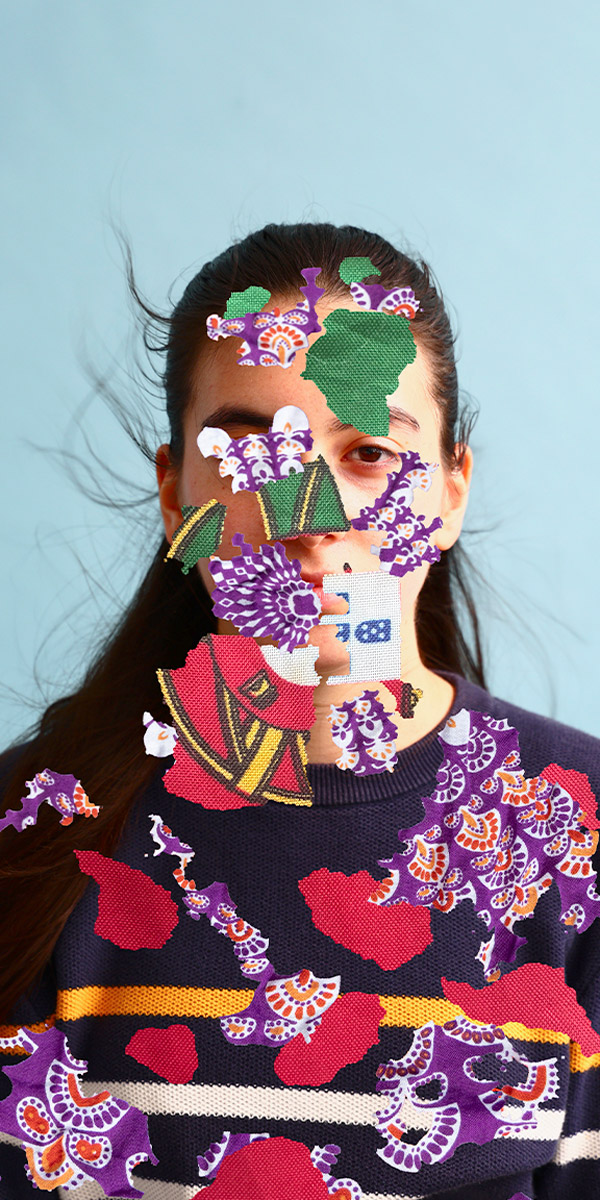
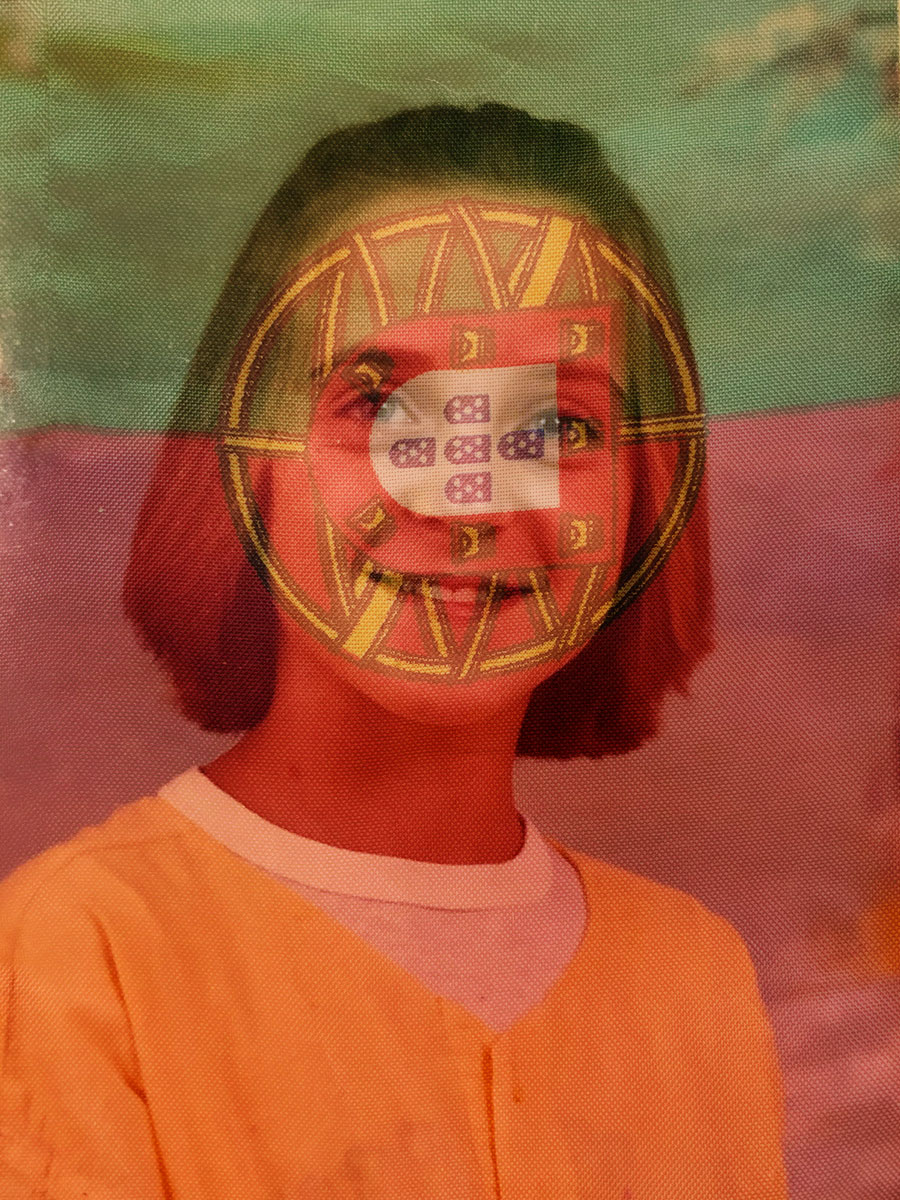
My work represents a part of my heritage that is often overlooked. East Timor is a country many people know very little about, but as someone of Timorese descent, I want to bring it to light with pride.
The purple patterned fabric is a traditional, handmade Timorese textile given to me by my grandmother on my father’s side. The Portuguese flag represents my mother’s side of the family. Placing these together acknowledges a complicated history; Portugal colonised East Timor, though the relationship between the two countries has evolved over time and my work reflects how those two nations coexist within me.
I really enjoyed making this work, as it allowed me to come closer to who I am and get in touch with a side of my heritage that I didn't know as well.
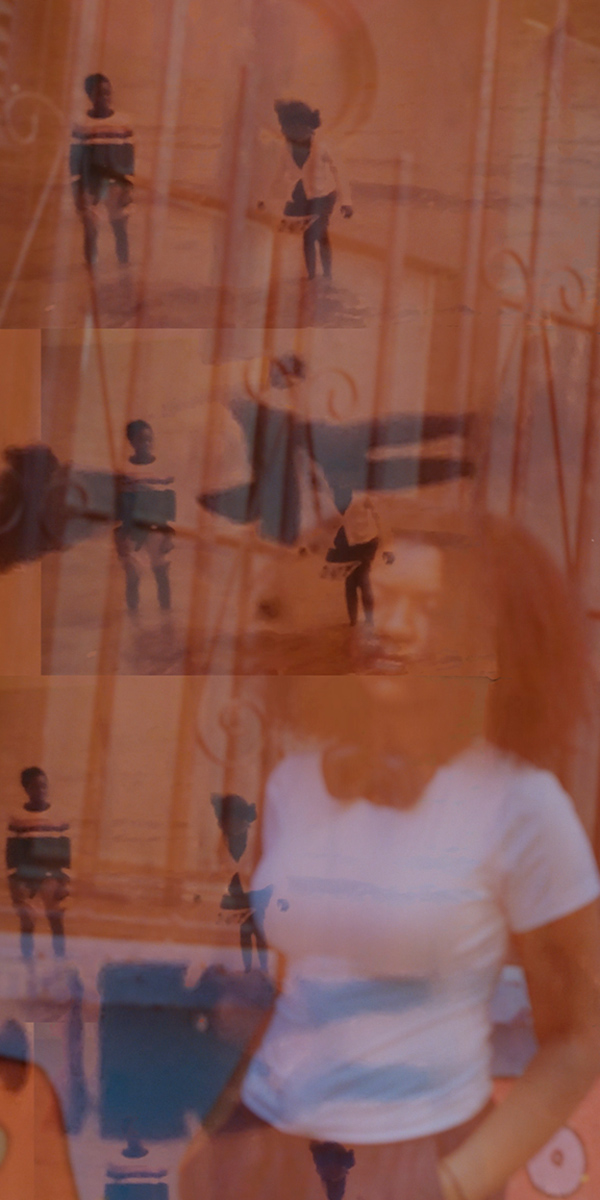
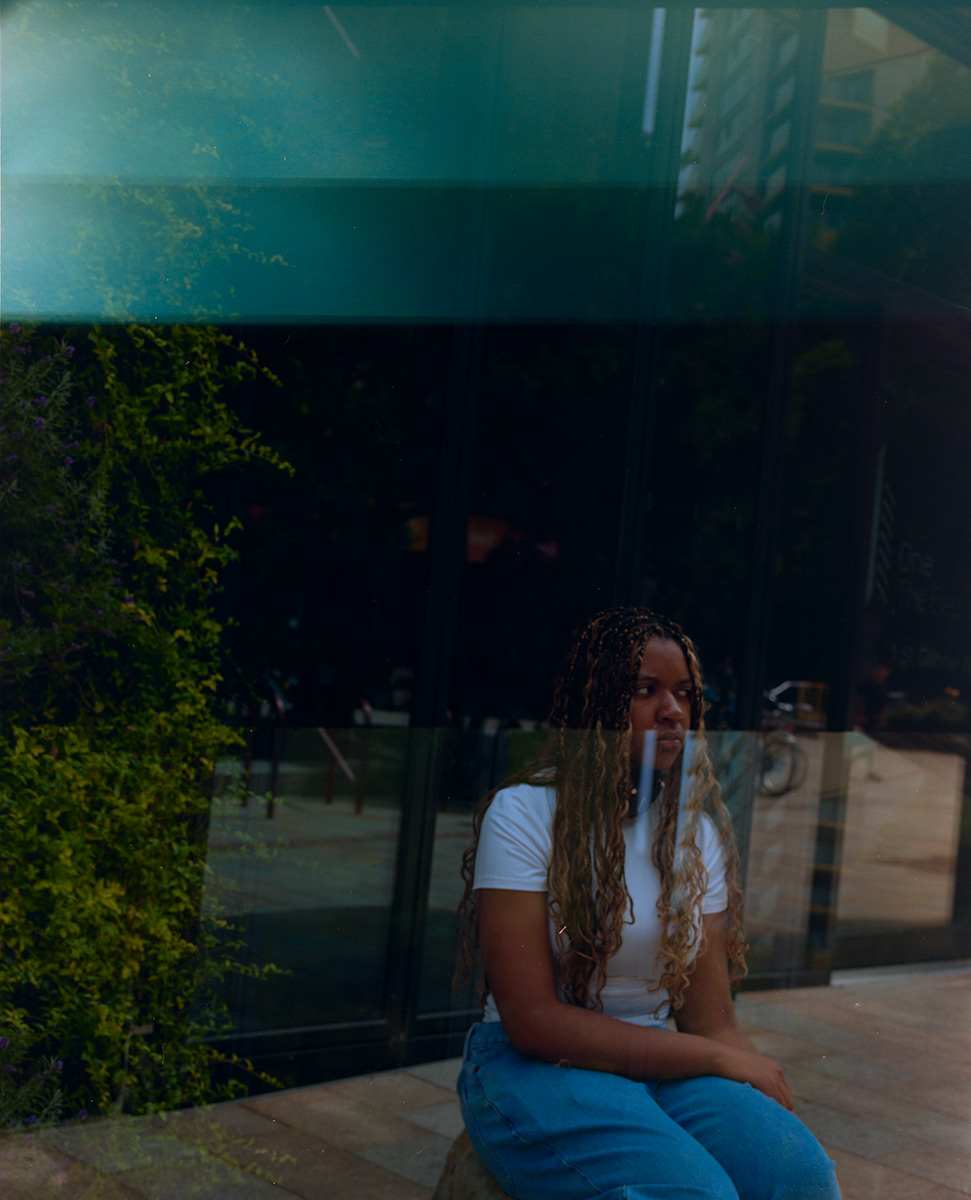
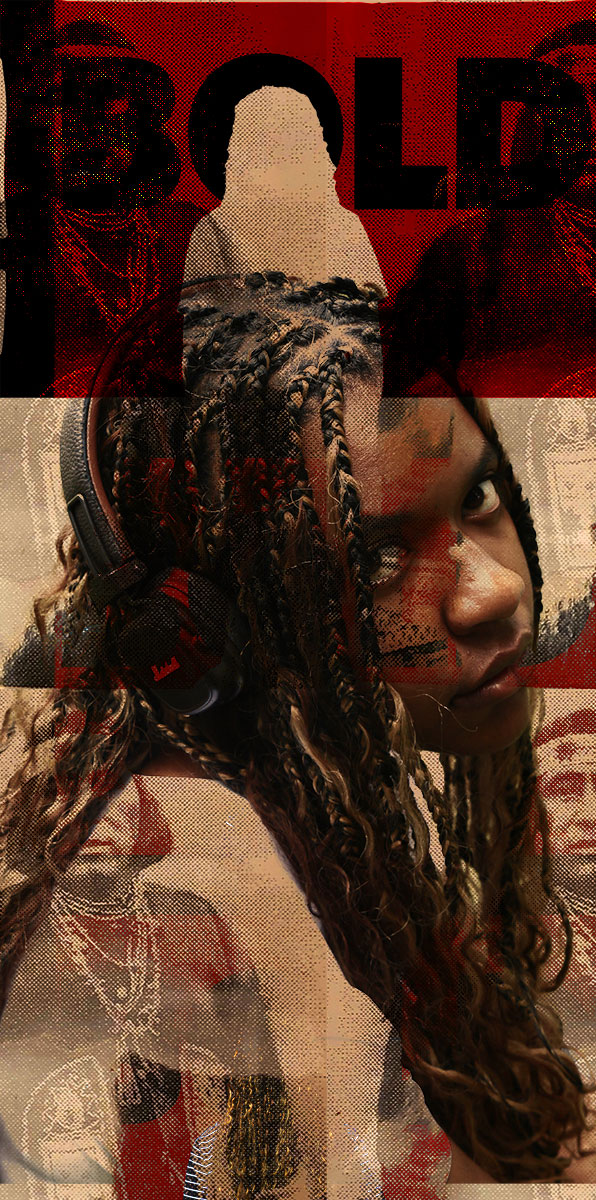
In the third image here, I wanted to explore both personal and historical identity using double exposure. Within the work, a portrait of my great-great-grandfather blends into the background, bringing together modern family life and older ancestry in a single frame. Inspired by 19th-century photography, I chose a sepia tone to honour that era. Incorporating the word 'BOLD' became a way to include a trait I strongly associate with myself, connecting who I am today with where I came from.
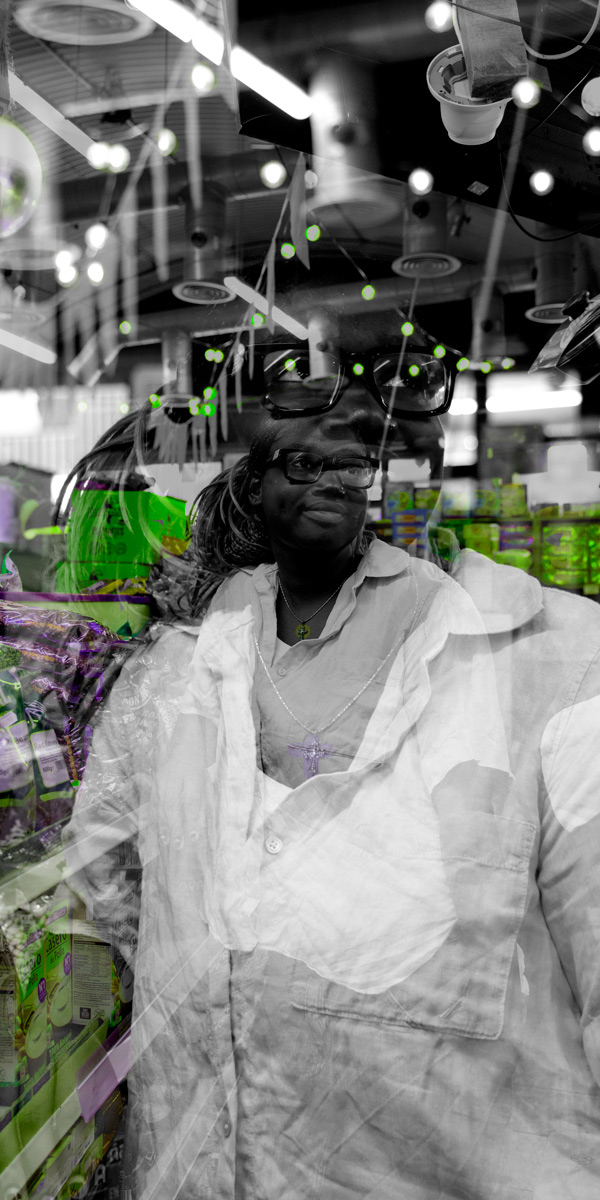
My work explores the different elements that make up my identity. The trinkets, colours and personal objects my friends and family associate with me are quiet reflections of who I am, and I wanted to bring them together to present my authentic self.
This image reflects my inner self and demonstrate how my childhood shapes who I am today, and how I’ve evolved.
In this series, I used double exposure to layer different aspects of my life, showing how these separate parts come together to make me whole. Through selective colour, I draw focus to background lights and symbolic objects, particularly a cross representing the Christian faith I grew up with. The colours I chose are intentional - they are the tones that feel most familiar to me, and the ones the people closest to me immediately recognise as mine.
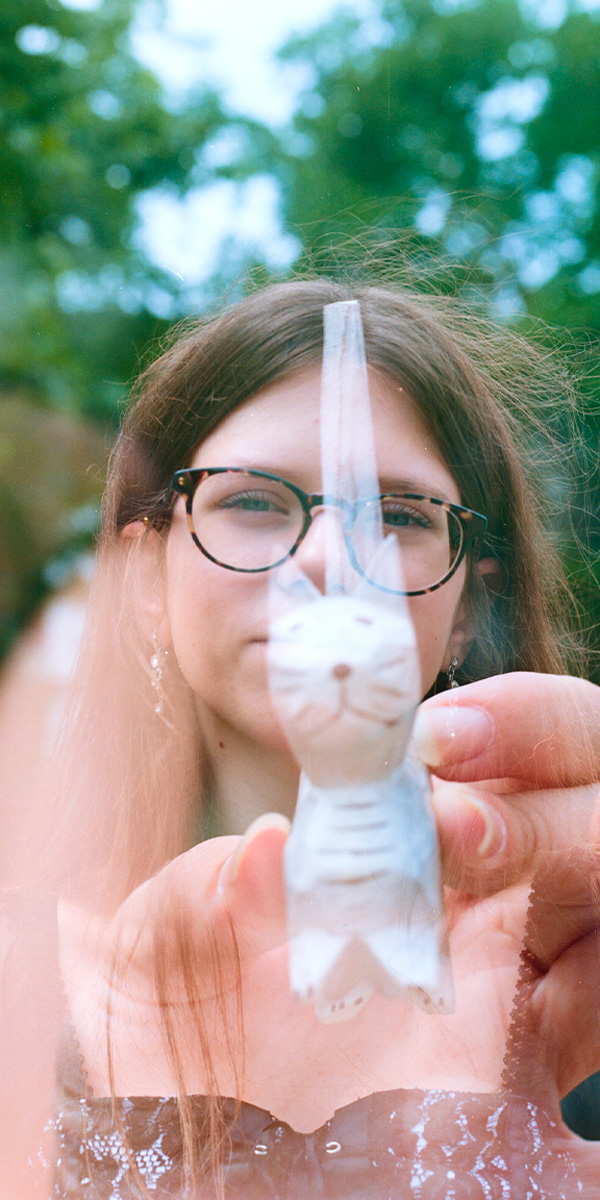
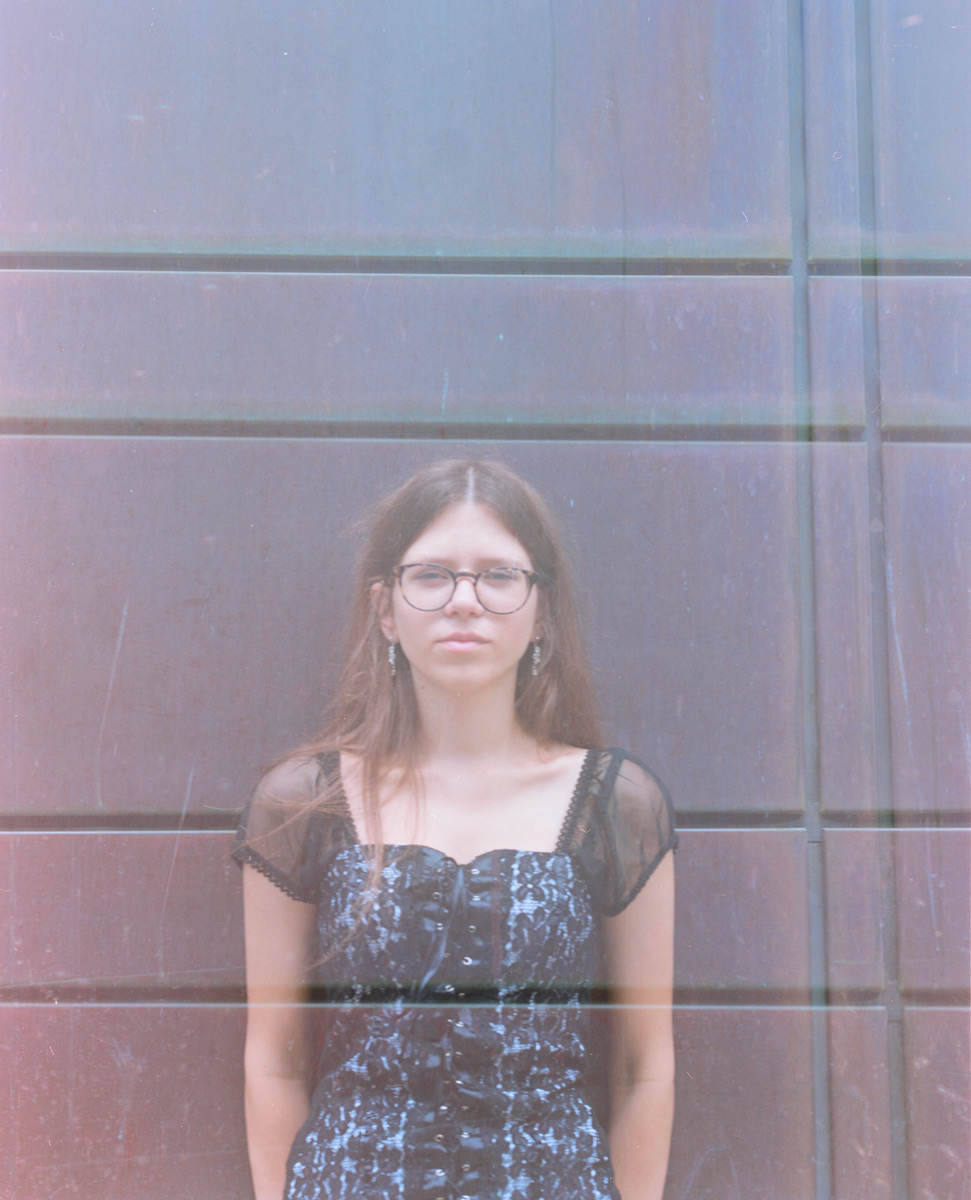
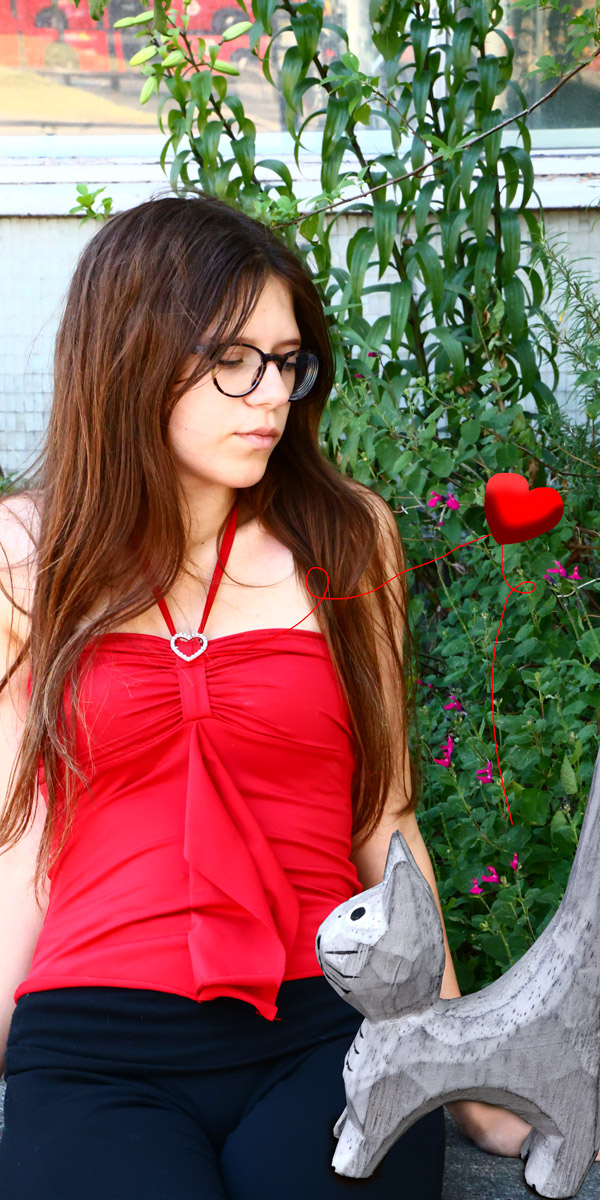
This piece explores memory and longing through the faded tones of my own portrait and the vivid double exposure of a wooden cat, highlighting how sharp childhood recollections can feel. The work reflects on the emotional attachment we hold to childhood pets and places left behind.
By blending muted brown tones with the bright double exposure of the cat, I wanted to blur the line between my past in Lithuania and my life in the present.
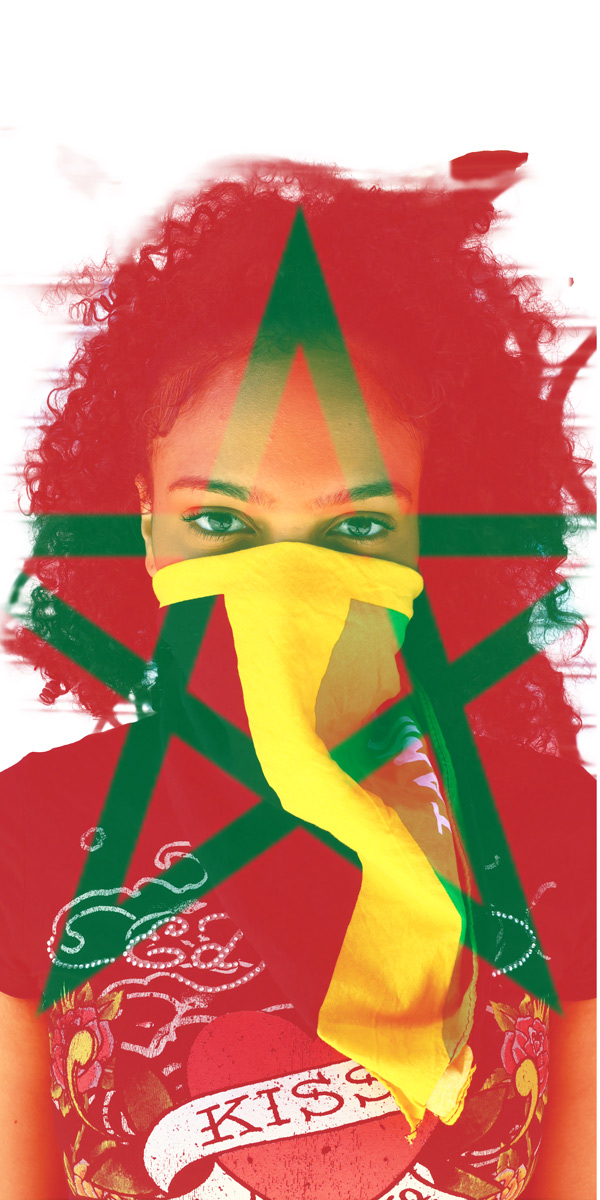
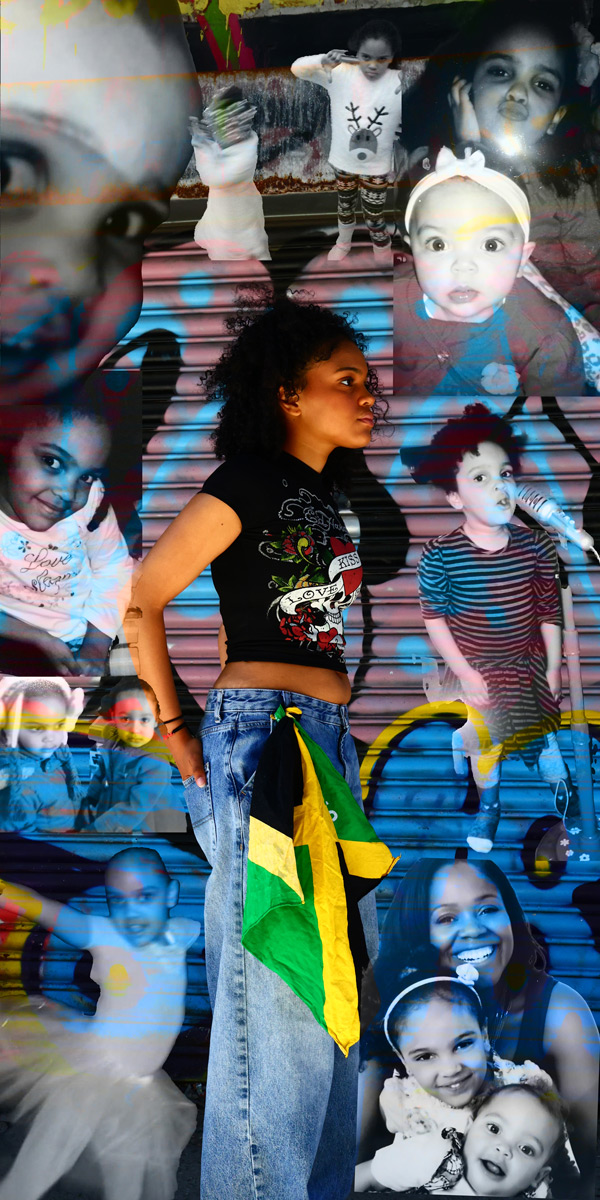
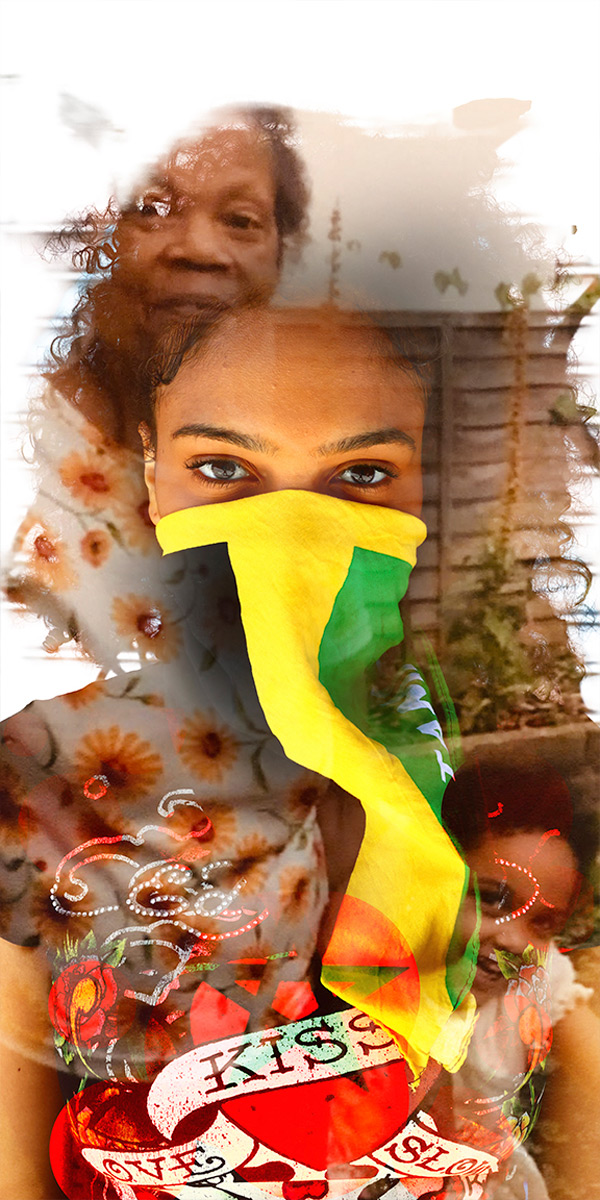
I am mixed from two worlds, Moroccan and Jamaican, which has shaped my sense of identity and connection to both cultures. My work explores themes of heritage, representation, culture and history.
Through this work, I wanted to embrace and celebrate my heritage while showing how different cultures can become an important part of someone’s identity. Overall, I hope the audience takes away a sense of pride in their own heritage and feels encouraged to embrace and appreciate where they come from.
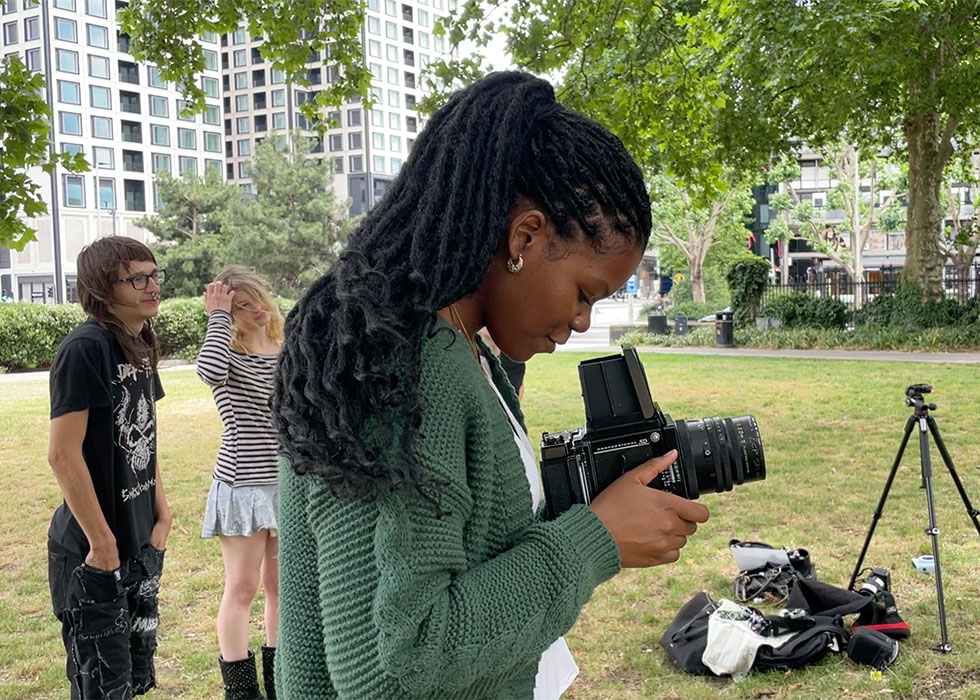
Common Ground is an annual collaboration between Autograph and UAL Insights that introduces young people to photography through an artist-led programme
Find out more

Banner image: Francisca [detail], 2026. © and courtesy of the artist.
All images on page: © and courtesy of the artist.
Join our newsletter and get the latest on Autograph’s exhibitions, events, open calls, digital content, books, prints and fundraising. Find out more.



Autograph is a space to see things differently. Since 1988, we have championed photography that explores issues of race, identity, representation, human rights and social justice, sharing how photographs reflect lived experiences and shape our understanding of ourselves and others.
Support our work

