Blog / Texts

Your Tongue in My Mouth: A Living Chronology

POSTED: 15 September 1990

Tracing the impact of British colonial rule on gender and sexuality in India
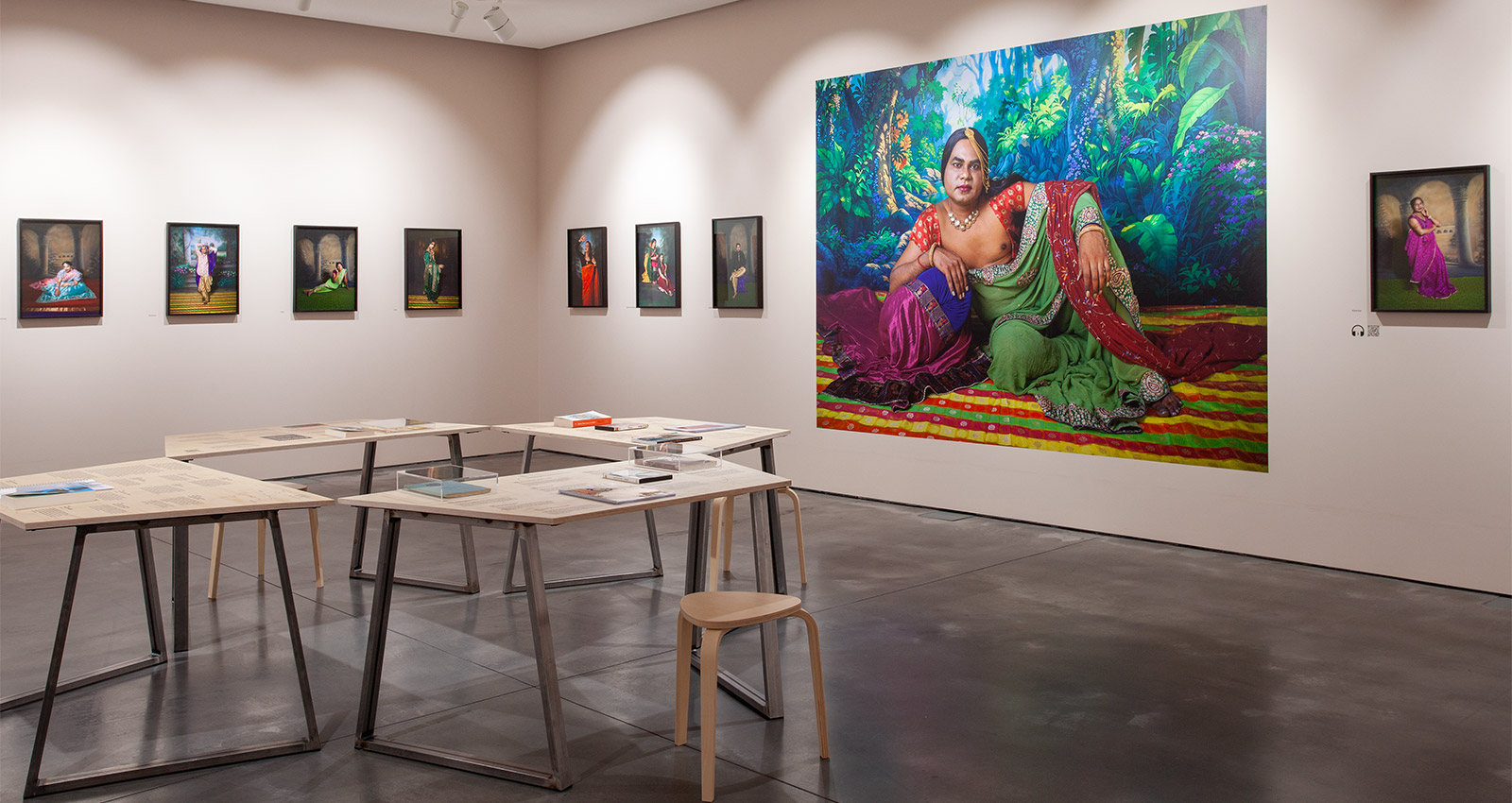
Artist Charan Singh’s new exhibition, Your Tongue in My Mouth, celebrates the lives and collective resistance of gender fluid communities in India and examines how British colonial rule has imposed rigid controls on gender expression and intimacy in India, criminalising long-established third gender, queer and trans communities.

Below, we share a living chronology, which is presented in the exhibition alongside a series of new portraits by Singh of Hijra, Kothi and trans people, commissioned by Autograph. The chronology traces how British colonial rule enforced laws, policies and systems of administration that regulated gender and sexuality in India, and explores how these legacies continue to shape lives and communities. It follows the ways these systems have been challenged through cultural production, community organising and collective resistance.

The historical record is not neutral. It was largely produced through colonial government and law reflecting wider hierarchies of power, including caste, class and gender. Within these systems, some lives were recorded more fully than others. Queer men were often made visible through criminalisation, policing and medical scrutiny, while women’s same-sex desire was far less frequently acknowledged in law or official records. Women, Hijra, Kothi, trans and other gender and sexually diverse people are therefore often absent, misrepresented or documented only when they came under institutional scrutiny. These uneven records should not be mistaken for an absence from history. Gender and sexual diversity, relationships, communities, pleasure and resistance have always existed beyond what colonial and state institutions chose to document.

Rather than presenting a complete history, this chronology invites you to consider the gaps and silences within the historical record and the ways queer communities in India have navigated and resisted attempts to define and control their lives. These struggles are ongoing – rights won can be contested, restricted or reversed and the fight for recognition, dignity and self-determination continues.

Research for this timeline was conducted by Charan Singh and Autograph. The exhibition runs until 13 February 2027.

Read More
1835, British India
Minutes on Education
Lord Thomas Babington Macaulay proposed reforms to education in British India that sought to embed British language, knowledge and values within education and colonial administration. This wider colonial project shaped ideas about morality, gender and sexuality, as well as later laws and social attitudes.

Macaulay wrote: “We must at present do our best to form a class who may be interpreters between us and the millions whom we govern – a class of persons Indian in blood and colour, but English in tastes, in opinions, in morals and in intellect.”
1857, British India
Uprising Against the British East India Company 
An uprising led initially by sepoys – Indian soldiers employed by the British East India Company – developed into a broader anti-colonial revolt. It was suppressed by British forces and led to the end of Company rule, with India coming under direct British Crown rule in 1858. Queen Victoria was proclaimed Empress of India in 1876.
1860, British India
Section 377 of the Indian Penal Code
Section 377 criminalised sexual acts described as ‘against the order of nature’, including consensual same-sex relations. It became one of the most influential legal frameworks introduced under British colonial rule, with its impact enduring in India and across other British colonies long after independence.
1871, British India
Criminal Tribes Act
Under British colonial rule, the Criminal Tribes Act labelled certain communities as hereditary criminals and subjected them to registration, surveillance and policing. The Act also targeted Hijra and other gender non-conforming people, categorised by colonial authorities as ‘eunuchs’ – a term used at the time for people perceived to fall outside British norms of sex and gender. It criminalised forms of gender expression and public performance, including dress, dancing and music associated with Hijra social and cultural life.
1919, British India
The Rowlatt Act
Officially known as the Anarchical and Revolutionary Crimes Act, the Rowlatt Act allowed political cases to be tried without juries and permitted detention without trial. In protest against the Act, people gathered at Jallianwala Bagh in Amritsar on 13 April 1919. British troops under Brigadier-General Reginald Dyer blocked the main exits and opened fire on the crowd, which included women and children.

The massacre and Act became a powerful symbol of colonial restrictions on civil liberties, including the right to gather and protest.
1936, Lahore
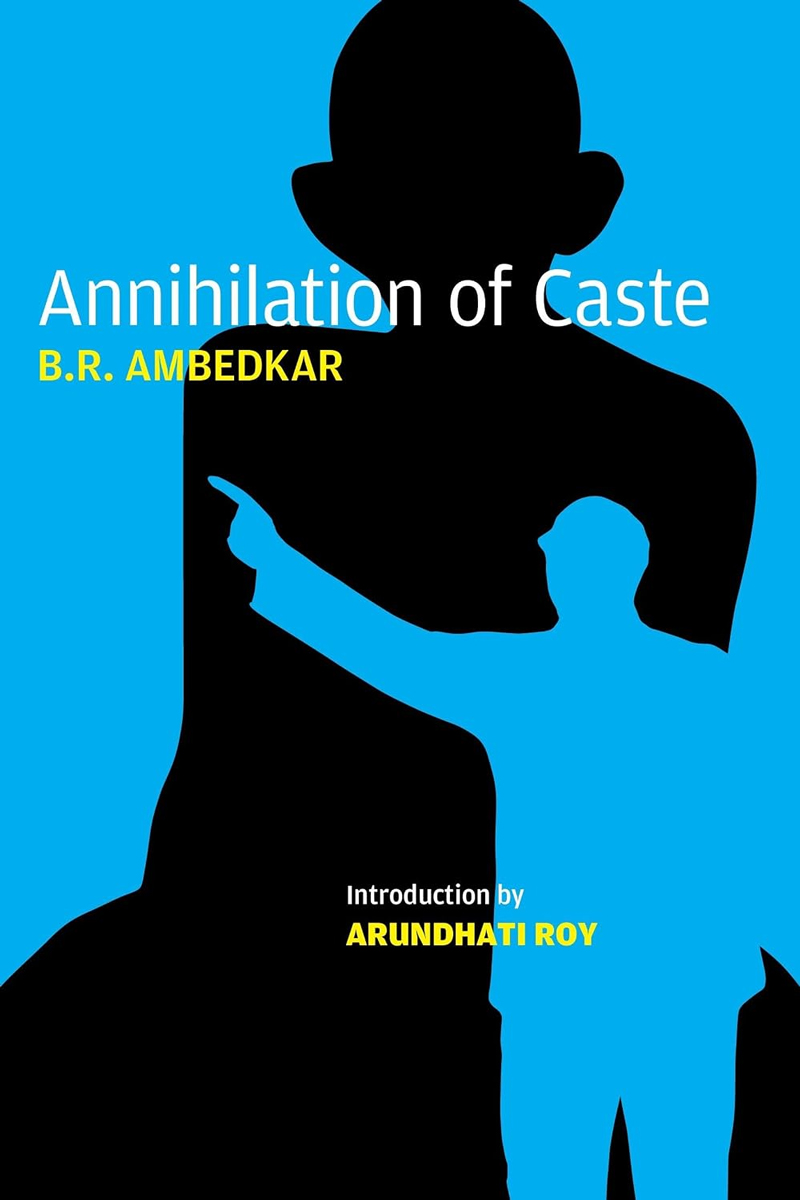
The Annihilation of Caste
A speech written by the jurist, social reformer and leading anti-caste thinker Dr B.R. Ambedkar. It was intended to be read at an anti-caste conference in Lahore, now in Pakistan, however it was deemed too controversial and the invitation to deliver the speech was revoked. Ambedkar later self-published the work and it became one of the most influential critiques of caste and its social structures.

The Annihilation of Caste by Dr B.R. Ambedkar, 1936
1942, Lahore
Lihaaf (The Quilt)
Written by Urdu author Ismat Chughtai, Lihaaf explored female desire and intimacy between women. Its publication led to Chughtai being charged with obscenity under colonial law and summoned to court in Lahore. The case became an important moment in the history of women’s sexuality and queer literature in South Asia.
1943, Bengal, Odisha and Bihar
The Great Bengal Famine
A devastating famine in Bengal – a region now divided between Bangladesh and the Indian state of West Bengal – was intensified by wartime disruption, food shortages and British colonial policies. It caused widespread starvation and the deaths of millions of people, with lasting social and economic consequences.
1947 - 1950
Partition, Independence and the Constitution 
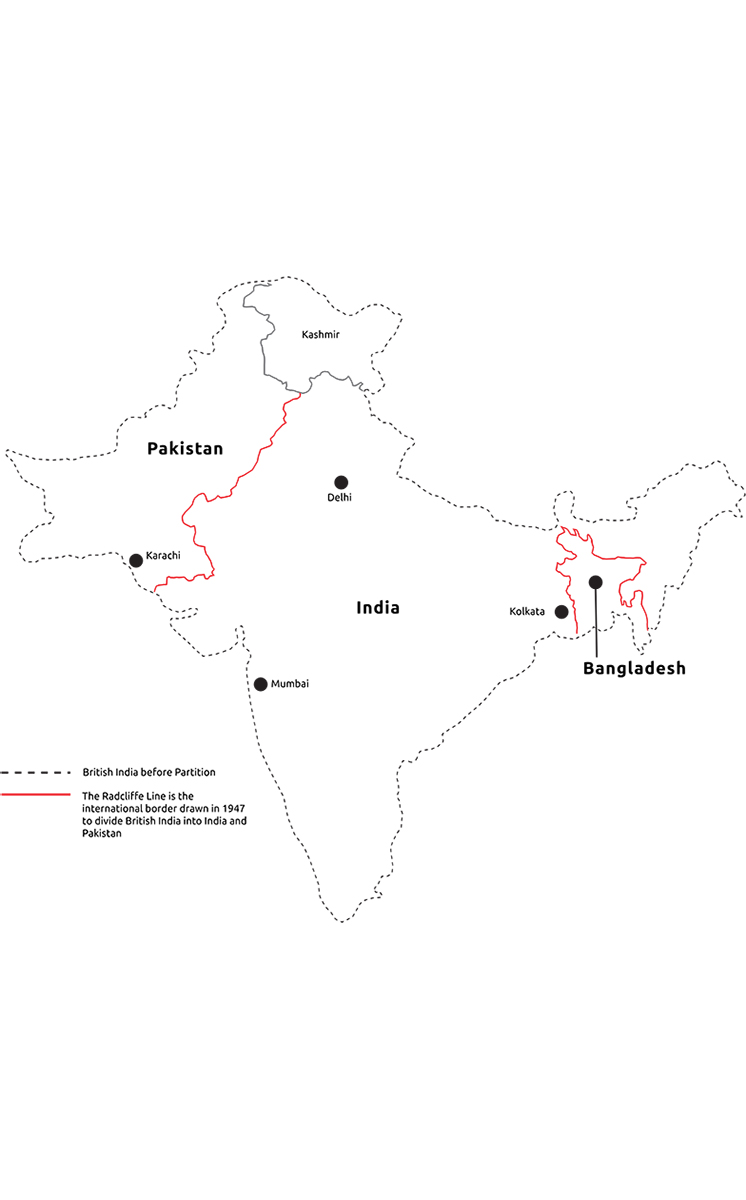
In August 1947, the British Parliament passed the Indian Independence Act, which set out the legal framework for the Partition of British India. India became independent on 15 August 1947, with Pakistan created as a separate dominion and Punjab and Bengal divided along new national borders. Partition led to mass displacement, communal violence and the deaths of hundreds of thousands of people.

In the years that followed, India’s new Constitution was drafted by the Constituent Assembly, with Dr B. R. Ambedkar chairing its Drafting Committee. It came into effect on 26 January 1950, establishing India as a republic.

sample

The Partition of British India, 1947 - 1950
sample

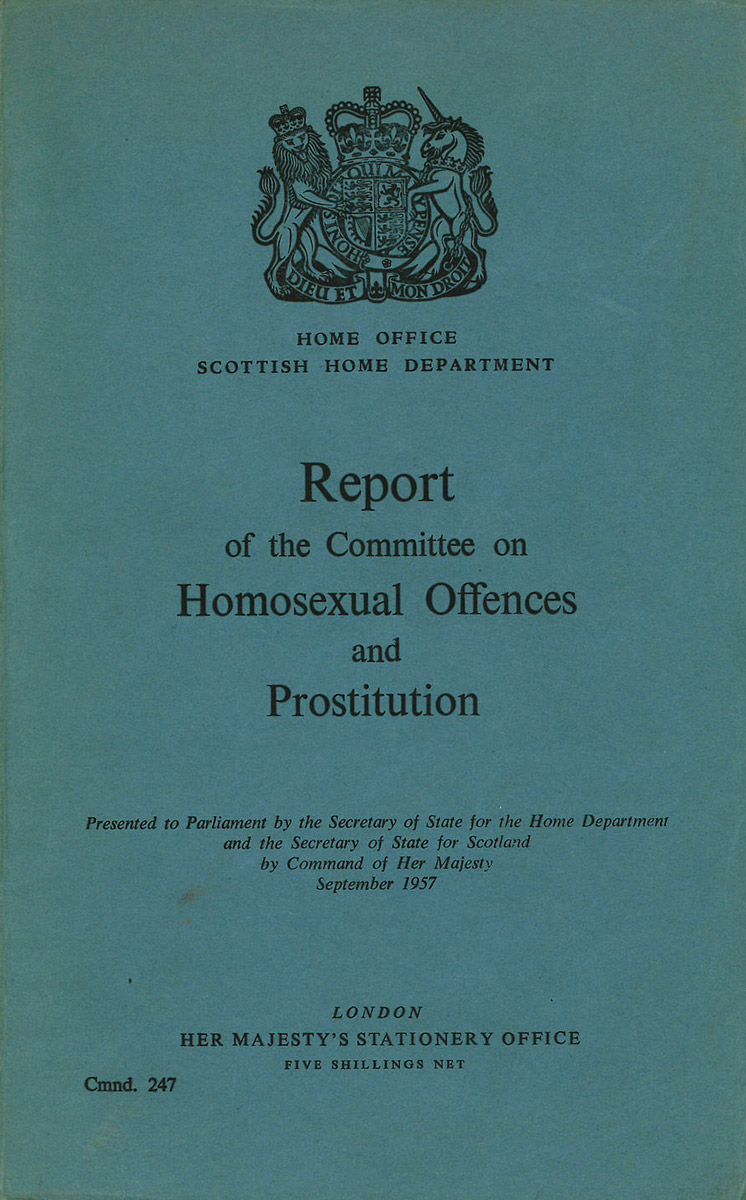
The Wolfenden Report, 1957

1957, United Kingdom
The Wolfenden Report
Formally titled the Report of the Departmental Committee on Homosexual Offences and Prostitution, it became known as the Wolfenden Report after its chair, Sir John Wolfenden. The report recommended that consensual sexual activity between men over the age of 21 should no longer be a criminal offence and helped pave the way for partial decriminalisation in England and Wales in 1967.
1967, England and Wales
The Sexual Offences Act
The Sexual Offences Act partially decriminalised consensual sexual activity between men over the age of 21 in private in England and Wales. However, significant restrictions remained. These were gradually removed through later reforms, with the age of consent for sex between men lowered to 16 in 2001, in line with heterosexual sex.
1977, India
The World of Homosexuals
Written by Indian author and mathematician Shakuntala Devi, The World of Homosexuals drew on interviews and personal accounts from India and abroad to explore queer lives and experiences. Published in New Delhi, it is considered one of the earliest books on homosexuality in India to call for greater understanding and acceptance, as well as the decriminalisation of same-sex relations under Section 377.
1982, USA
AIDS Terminology 
In 1982, the US Centers for Disease Control and Prevention adopted the term AIDS – Acquired Immune Deficiency Syndrome – and published its first formal case definition. The term replaced earlier language including GRID – Gay-Related Immune Deficiency – which wrongly associated the condition specifically with gay men and contributed to stigma.
1982, USA
First Recorded HIV Cases in India
India’s first documented HIV infections were identified in 1986 in Chennai, then known as Madras. A research team led by microbiologist Dr Suniti Solomon tested 100 female sex workers and found six HIV-positive samples, which were subsequently confirmed through further testing. The findings marked the first documented evidence of HIV in India
1987, India
Lesbian Marriage Documented in Media
Leela Namdeo and Urmila Srivastava were two police constables in Madhya Pradesh, India, who made history in December 1987 by marrying each other in a temple.
1988, Great Britain
Section 28 of the Local Government Act
Section 28 prohibited local authorities in Great Britain from ‘promoting homosexuality’ or teaching ‘the acceptability of homosexuality as a pretended family relationship’. It led to the withdrawal of local authority funding from some LGBTQ+ initiatives and limited public information, education and representation. It remained in force until 2000 in Scotland and 2003 in England and Wales.
1989, India
Compulsory HIV Testing and Detention in Goa 
In 1989, Dominic D’Souza was tested for HIV without his consent after donating blood in Goa. After testing positive, he was forcibly detained under Goa’s public health legislation and isolated in a tuberculosis sanatorium for 64 days. D’Souza and his family challenged his detention in court, and his case became an important moment in confronting HIV-related stigma, discrimination and compulsory public health measures in India.

His life later inspired Indian filmmaker Onir’s 2005 film My Brother… Nikhil, which is loosely based on D’Souza’s story.
1990, United Kingdom
Ecstatic Antibodies: Resisting the AIDS Mythology
Curated by artists Tessa Boffin and Sunil Gupta, Ecstatic Antibodies: Resisting the AIDS Mythology was an exhibition and accompanying book that confronted the fear, stigma and misinformation surrounding HIV/AIDS in the UK. Bringing together artists and writers including Rotimi Fani-Kayode, Joy Gregory, Isaac Julien and Pratibha Parmar, it challenged dominant representations of the epidemic and asserted queer, black and diasporic perspectives through photography, art and writing.

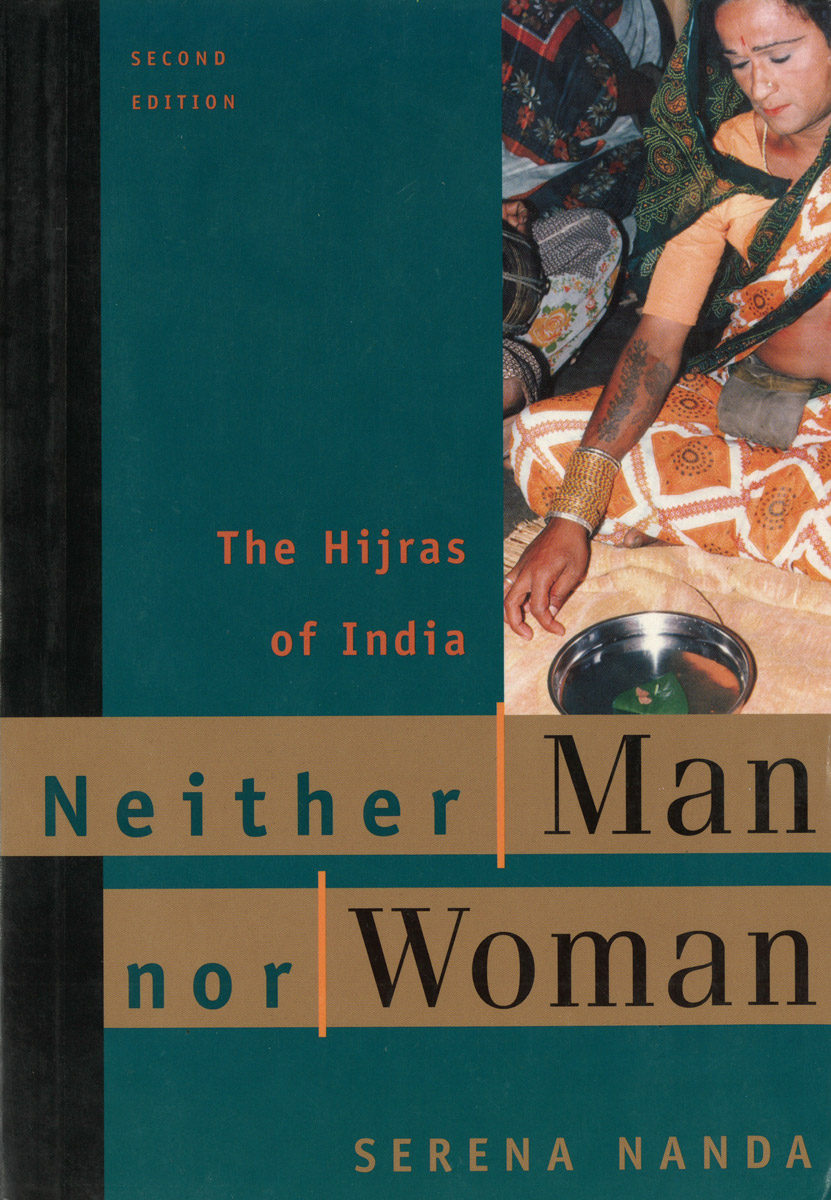
Neither Man nor Woman by Serena Nanda, 1990
1990, USA
Neither Man nor Woman: The Hijras of India 
Written by American anthropologist Serena Nanda, Neither Man nor Woman: The Hijras of India documented Hijra communities through ethnographic research and examined gender, sexuality, religion and social life in India. Published in the United States by Wadsworth Publishing Company, it became an influential English-language study of Hijra identities and communities.
1990, India
Queer Women's Organising in India
During the 1990s, groups including Sakhi and Sangini in Delhi, Stree Sangam in Bombay and Sappho in Kolkata created new ways for lesbian, bisexual, trans and other gender and sexually diverse people to find one another and organise.

At a time when public visibility was limited and communication often relied on letters, phone lines and private meetings, these groups created support networks, social spaces and crisis services.

The Campaign for Lesbian Rights (CALERI) formed in Delhi in 1998 bringing conversations around lesbian rights more into focus. Together, these forms of organising challenged isolation and helped make queer women’s lives and political demands more visible within India’s emerging queer movement.
1991, India
Less Than Gay: A Citizens' Report on the Status of Homosexuality in India
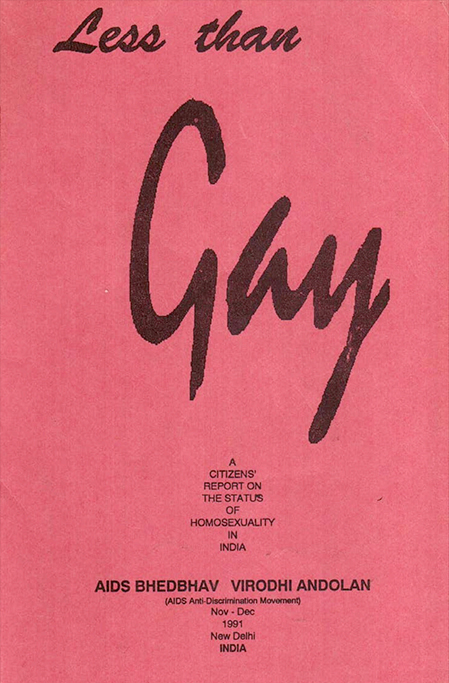
Published in New Delhi by the activist movement AIDS Bhedbhav Virodhi Andolan (ABVA), Less Than Gay was a landmark citizens’ report on queer lives, rights and experiences in India. It called for the repeal of Section 377 and advocated for the civil rights of LGBTQ+ people. The report helped establish an early organised campaign for queer rights in India, followed by public protests and ABVA’s 1994 legal challenge to Section 377.
1992, India
Rise of the Gay Rights Movement
On 11 August 1992 ABVA organised a public protest in New Delhi against the harassment and arrest of people perceived to be gay under Sections 72 and 73 of the Delhi Police Act. The protest became an important early public moment in India’s queer rights movement. In 1994, ABVA went on to file the first legal challenge to Section 377 in the Delhi High Court, helping build momentum for later queer rights organising.
1994, International
The Joint United Nations Programme on HIV/AIDS (UNAIDS) established
UNAIDS was established in 1994 to coordinate the global response to HIV/AIDS, becoming operational in 1996. During this period, public health organisations increasingly used the term ‘MSM’ – men who have sex with men – to describe sexual behaviour rather than identity. While useful in epidemiological research, the term has also been criticised for reducing diverse sexual, gender and cultural identities to a clinical category.
1996, India
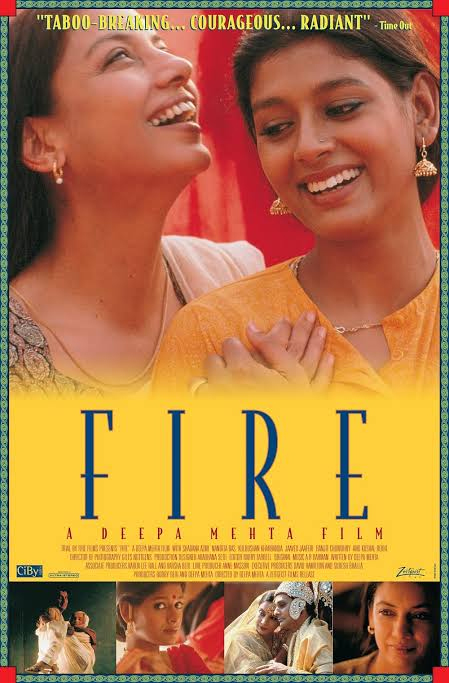
Fire
Directed by Deepa Mehta, Fire portrayed same-sex desire between two Indian women. Its release in 1998 led to national conversations around the role of sexuality and marriage in Hindu culture. It also sparked homophobic backlash, with protests and attacks on cinemas by Hindu nationalist groups. The controversy also prompted public demonstrations in defence of the film and freedom of expression.

sample

Less Than Gay, 1991

sample

Fire (film poster), directed by Deepa Mehta, 1996
1998, India
Development Advocacy & Research Trust (DART) Founded
DART, a community-led organisation in Delhi, became an important space for HIV/AIDS prevention and advocacy. In 2002, DART worked with the Delhi State AIDS Control Society to bring Hijra communities, NGOs, government officials and policymakers into direct conversation about HIV/AIDS, health services and policy development.
2000, India
Shabnam 'Mausi' Bano Elected to Public Office
Bano was elected as an independent member of the Madhya Pradesh Legislative Assembly, becoming the first transgender person to be elected in India. Her election marked an important moment for the political visibility and representation of Hijra and transgender communities.
2000, Britain / USA
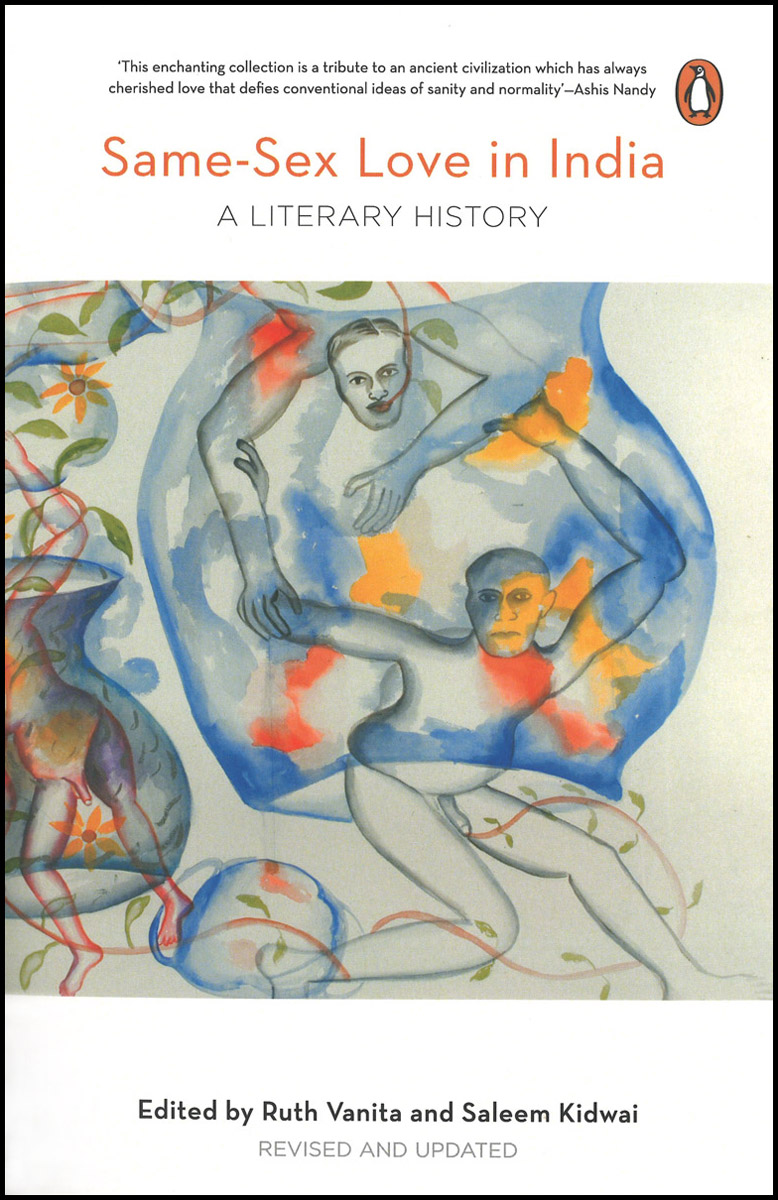
Same-Sex Love in India: Readings from Literature and History
Edited by Ruth Vanita and Saleem Kidwai, this academic book was published in Britain and the United States, bringing together literary and historical texts tracing same-sex love across more than two thousand years of Indian history. It challenged the idea that same-sex love and desire were foreign to India and became an important scholarly resource on queer lives, histories and experiences in South Asia.

Same-Sex Love in India, edited by Ruth Vanita and Saleem Kidwai, 2000
2003, India
HIV/AIDS Targeted Intervention with 'MSM' in New Dehli
Through DART, Charan Singh ran a government-funded HIV awareness, prevention and support project in Delhi which expressly sought to include Hijra and Kothi communities. The project worked with people who often faced barriers to healthcare and information shaped by class, language and social marginalisation, at a time when public health programmes frequently grouped diverse sexual and gender identities under the simplistic category of MSM – men who have sex with men.
2004, United Kingdom
Gender Recognition Act
The Gender Recognition Act gave trans people in the UK a legal process to have their acquired gender recognised and to obtain a new birth certificate. A full Gender Recognition Certificate meant that, for most legal purposes, a person’s gender was understood as their acquired gender.
2004, India
Hum Sath Sath Hai (We Are Together) 
Written by Charan Singh, Hum Sath Sath Hai was an early graphic zine centred on a trans love story. Created in the context of HIV/AIDS education, it used terminology from Hijra and Kothi communities to communicate sexual health information through culturally specific language and lived experience.
2007 - 2012, India
Nigah QueerFest
Nigah QueerFest was a pioneering community-funded arts and cultural festival held annually in Delhi. It created space for an emerging queer movement to explore dissent, desire and celebration through film, art and performance, and reflected the development of a distinct post-liberalisation queer culture and aesthetic in India.
2008, India
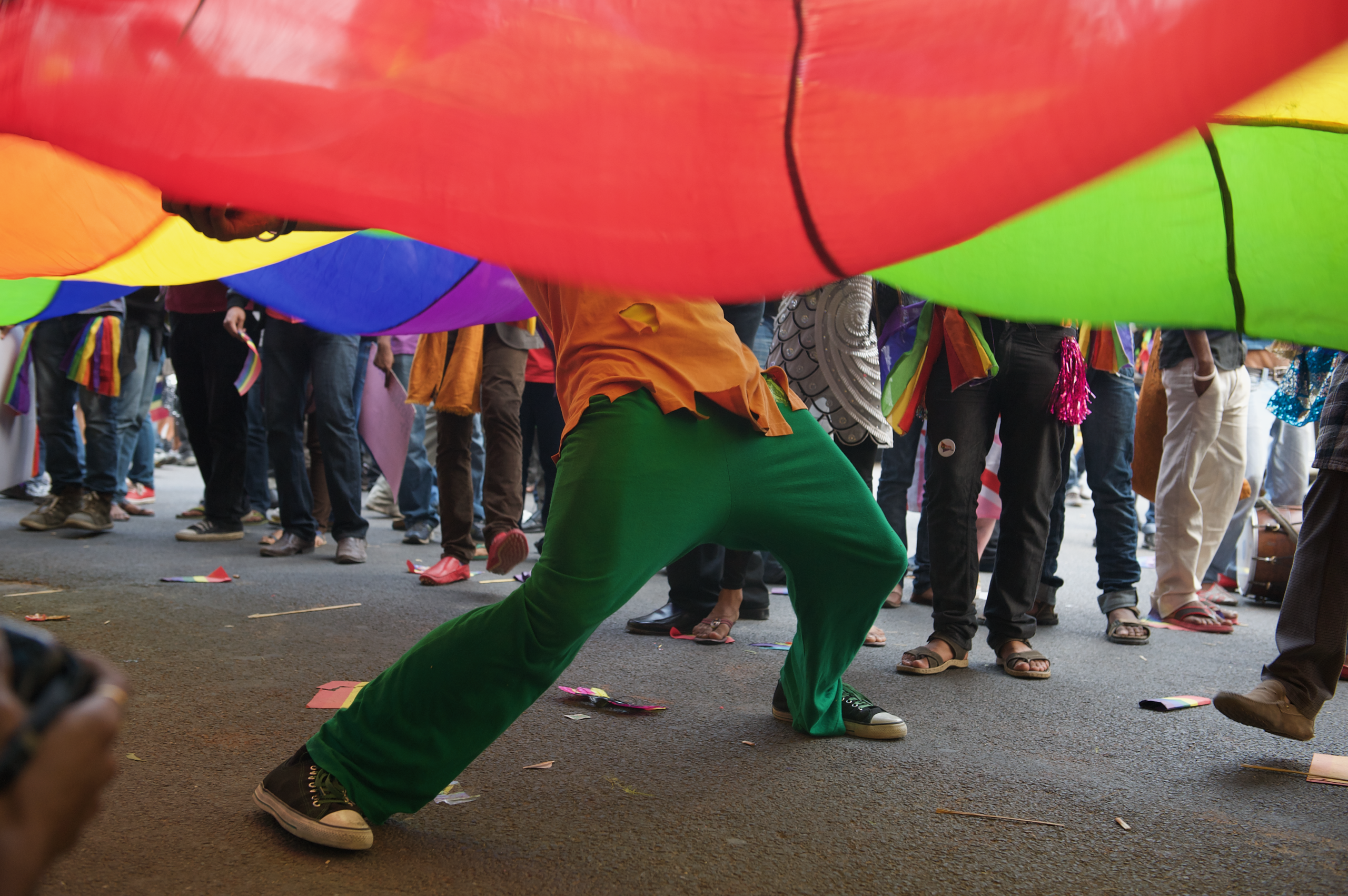
Emergence of Pride Marches
Coordinated efforts by queer activist groups led to Pride marches being established in cities including Delhi, Bengaluru, Kolkata and Puducherry, with Mumbai holding its first formal Pride march later that year. These events built on earlier acts of visibility, including Kolkata’s 1999 Friendship Walk, when around 15 activists marched publicly in support of queer rights. The expansion of Pride across several cities marked a significant moment in the growing public visibility of India’s queer movement.

Image by Charan Singh

2009, India
Naz Foundation v. Government of National Capital Territory of Delhi
The Naz Foundation, an HIV/AIDS and sexual health organisation, challenged Section 377 in the Delhi High Court. The Court ruled that the law was unconstitutional insofar as it criminalised consensual sexual activity between adults in private, effectively decriminalising same-sex relations. The decision was overturned by the Supreme Court in 2013, before Section 377 was finally read down in 2018.
2010, Great Britain
The Equality Act 
The Equality Act brought together existing anti-discrimination laws in Great Britain into a single legal framework. It established protected characteristics including sex, sexual orientation and gender reassignment amongst others, and introduced duties on public bodies to consider equality in their work. The Act applies across areas including employment, education and access to services.
2010, India
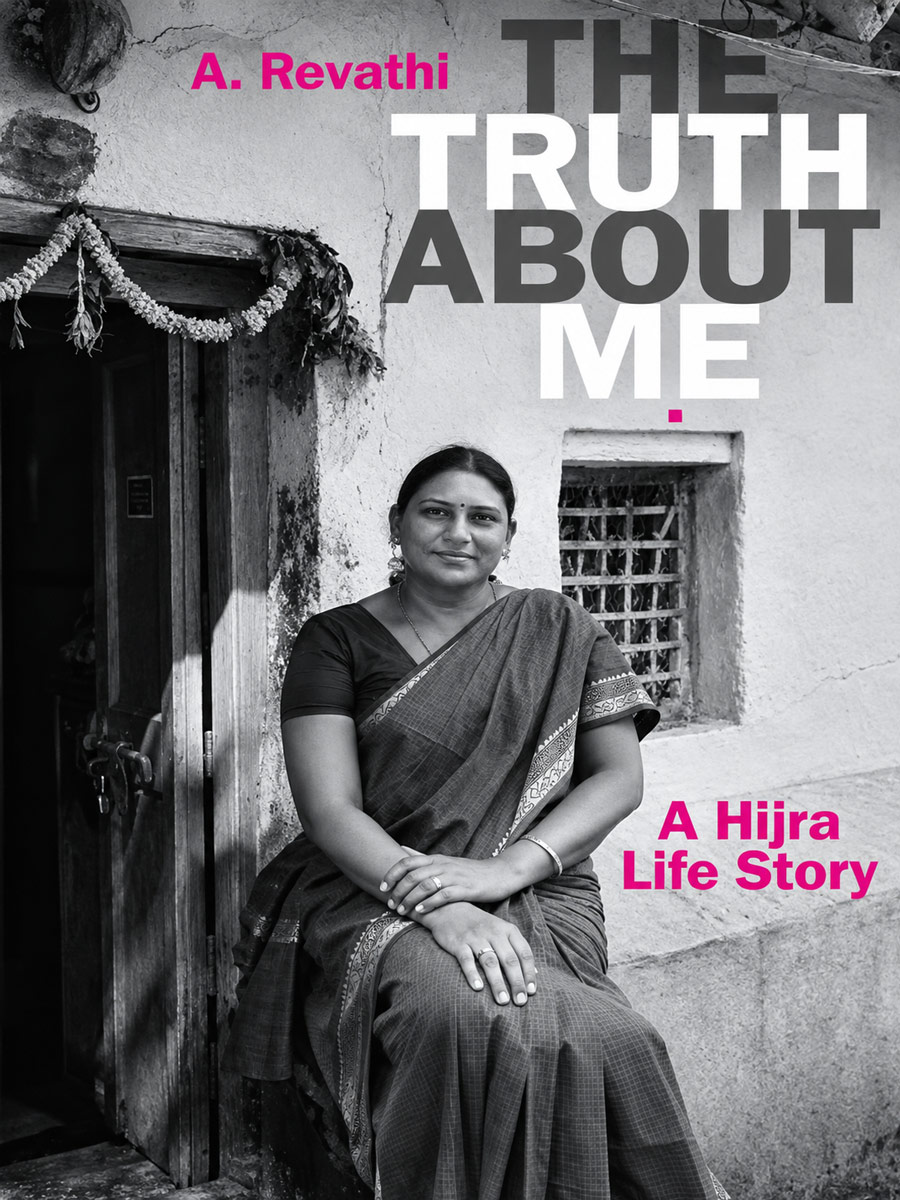
Truth About Me: A Hijra Life Story
A poignant, courageous and unflinching autobiography by transgender activist and author A. Revathi, published by Penguin. A book launch was held at Delhi’s DART Community Centre as part of the 2010 Nigah Queer Festival.

sample

The Truth About Me by A Revathi, 2010
sample

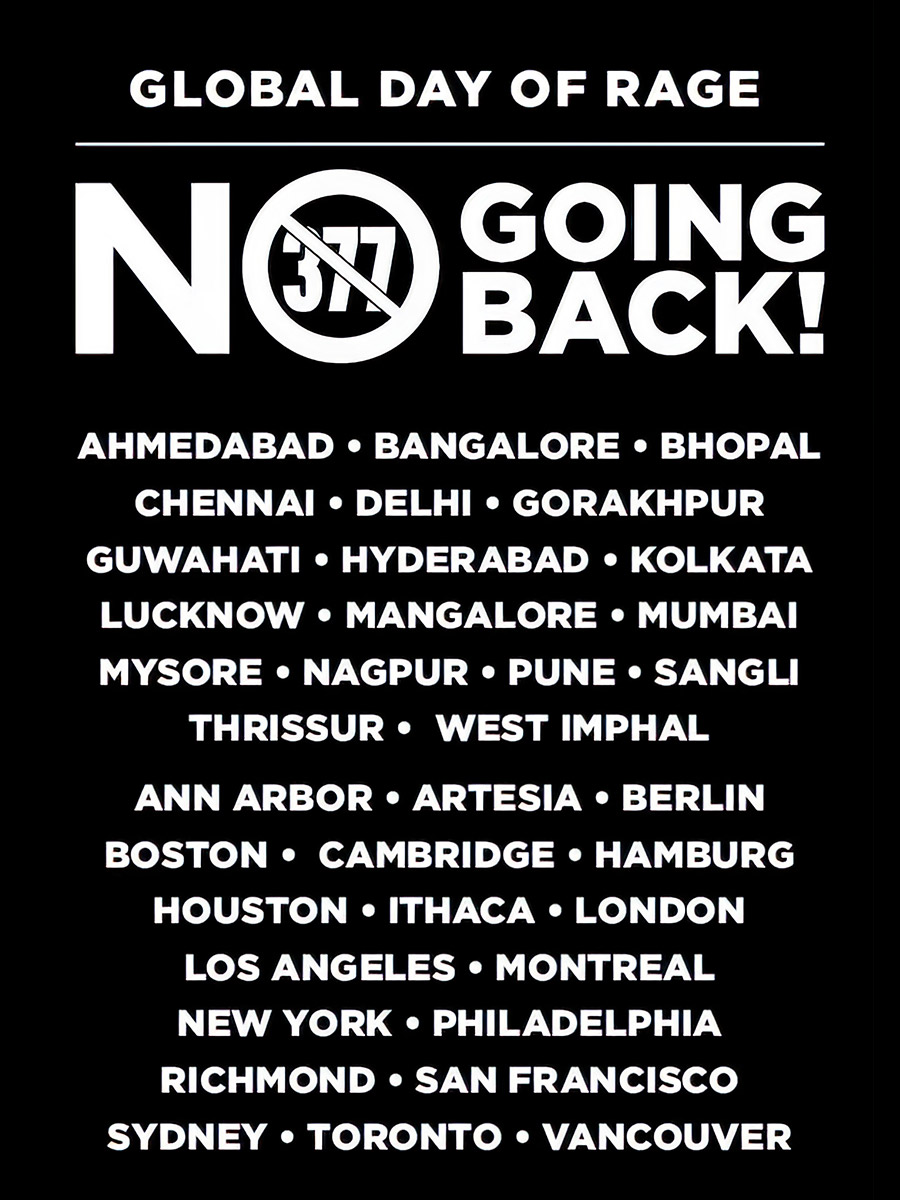
No to 377, Global Day of Rage Poster, 2013
2013, India
Suresh Kumar Koushal v. Naz Foundation
Suresh Kumar Koushal was one of the opponents of the 2009 Delhi High Court ruling that had decriminalised consensual same-sex sexual activity. In 2013, the Supreme Court of India allowed the appeals against that ruling, reinstating Section 377 and once again criminalising consensual same-sex relations.

The ruling prompted protests across India and internationally, including the Global Day of Rage on 15 December 2013 – a coordinated day of demonstrations against the reinstatement of Section 377.
2014, India
National Legal Services Authority (NALSA) v. Union of India
In a landmark case brought by the National Legal Services Authority (NALSA), the Supreme Court of India affirmed the fundamental rights of transgender people, including Hijra communities. The Court recognised transgender people as a ‘third gender’ and upheld the right to self-identify as male, female or third gender, without requiring medical or surgical intervention.
2018, India
Navtej Singh Johar v. Union of India
Brought by a group of petitioners including Indian dancer and LGBTQ+ rights activist Navtej Singh Johar, the case resulted in the Supreme Court of India unanimously ruling that Section 377 was unconstitutional insofar as it criminalised consensual same-sex sexual activity between adults. The decision effectively decriminalised consensual same-sex relations in India.
2019, India
Transgender Persons (Protection of Rights) Act
The Act introduced legal protections for transgender people in India, including protection from discrimination in education, employment, healthcare and access to public services. It recognised a person’s right to identify their gender, although aspects of the certification process and other provisions were criticised by trans rights groups.
2025, United Kingdom
For Women Scotland Ltd v. The Scottish Ministers 
In a legal challenge brought by the campaign group For Women Scotland, the UK Supreme Court ruled that, for the purposes of the Equality Act 2010, the terms ‘woman’, ‘man’ and ‘sex’ refer to what the judgment describes as ‘biological sex’. This applies even where a trans person has legal recognition of their acquired gender. The ruling, which involved no direct representation of transgender people, prompted concern among many trans communities and intensified debate about trans rights in the UK.
2026, India
Transgender Persons (Protection of Rights) Amendment Act
The Act amended India’s 2019 transgender rights law, removing the statutory right to self-perceived gender identity and introducing a medical assessment as part of the process for obtaining legal recognition. It also narrowed the legal definition of a transgender person, by excluding identity based solely on self-perception or sexual orientation. The changes have been criticised for restricting self-identification and increasing medical and state involvement in gender recognition.

visit the exhibition

Charan Singh:
Your Tongue In My Mouth

8 October 2026 - 13 February 2027
A free exhibition celebrating the lives and collective resistance of gender fluid communities in India

Find out more and book

Acknowledgements

With thanks to Beyond Print for their generous production support of Charan Singh: Your Tongue in My Mouth.

supported by

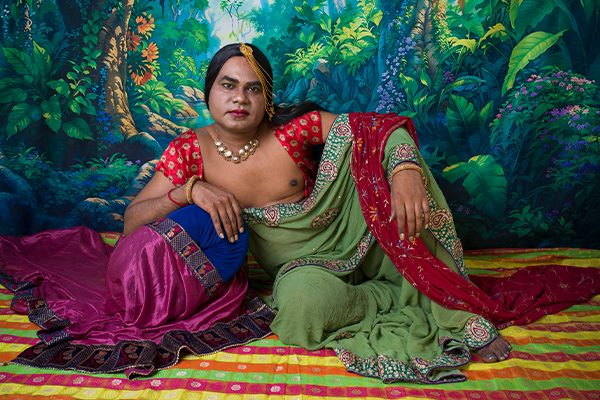
Banner Image:Charan Singh, Julie, 2026. Commissioned by Autograph, London.
Visit: Charan Singh, Rasili, 2026. Commissioned by Autograph, London.