0
0
0

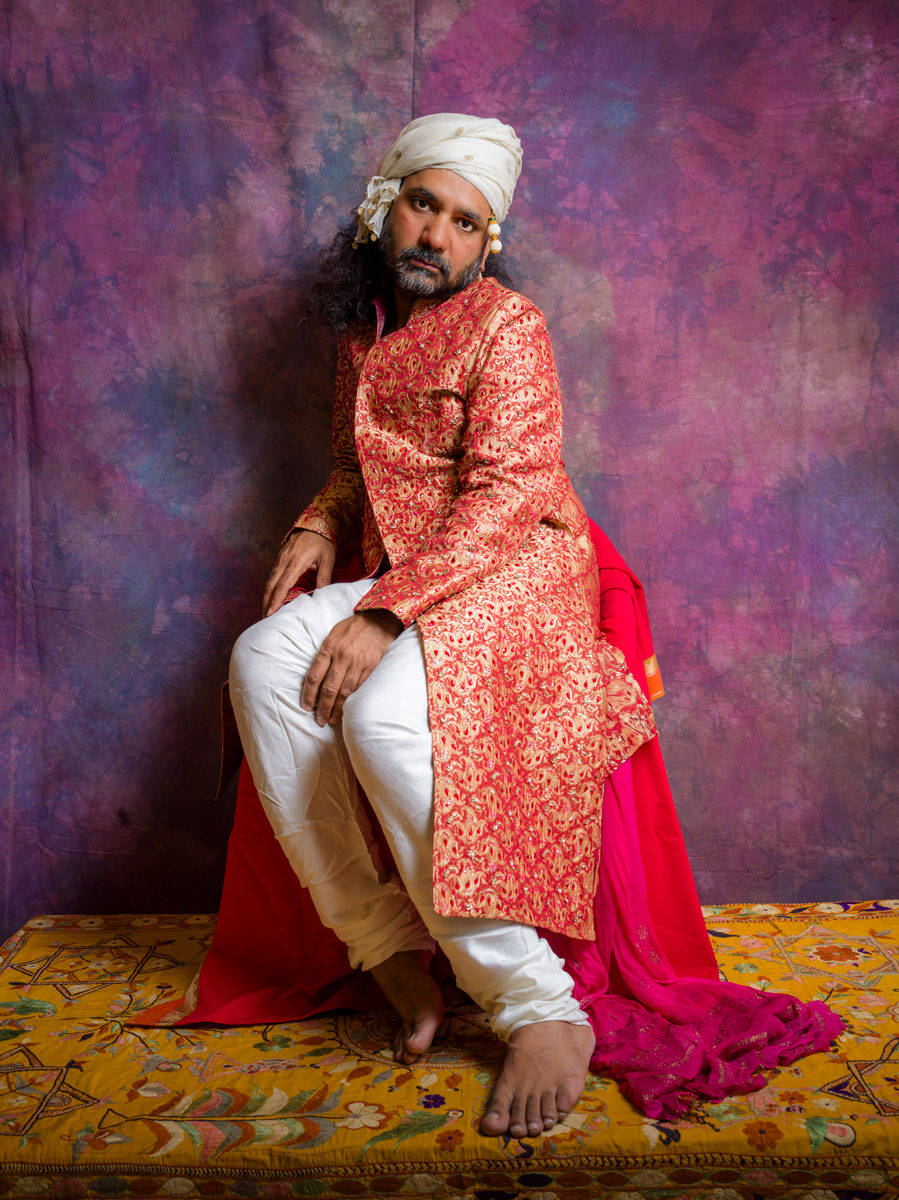
"At a time when everything is so sure, and so certain, where is the place for ambiguity, absurdity, and arbitrariness that comes with our desires and with our bodies that are unruly?" – Charan Singh
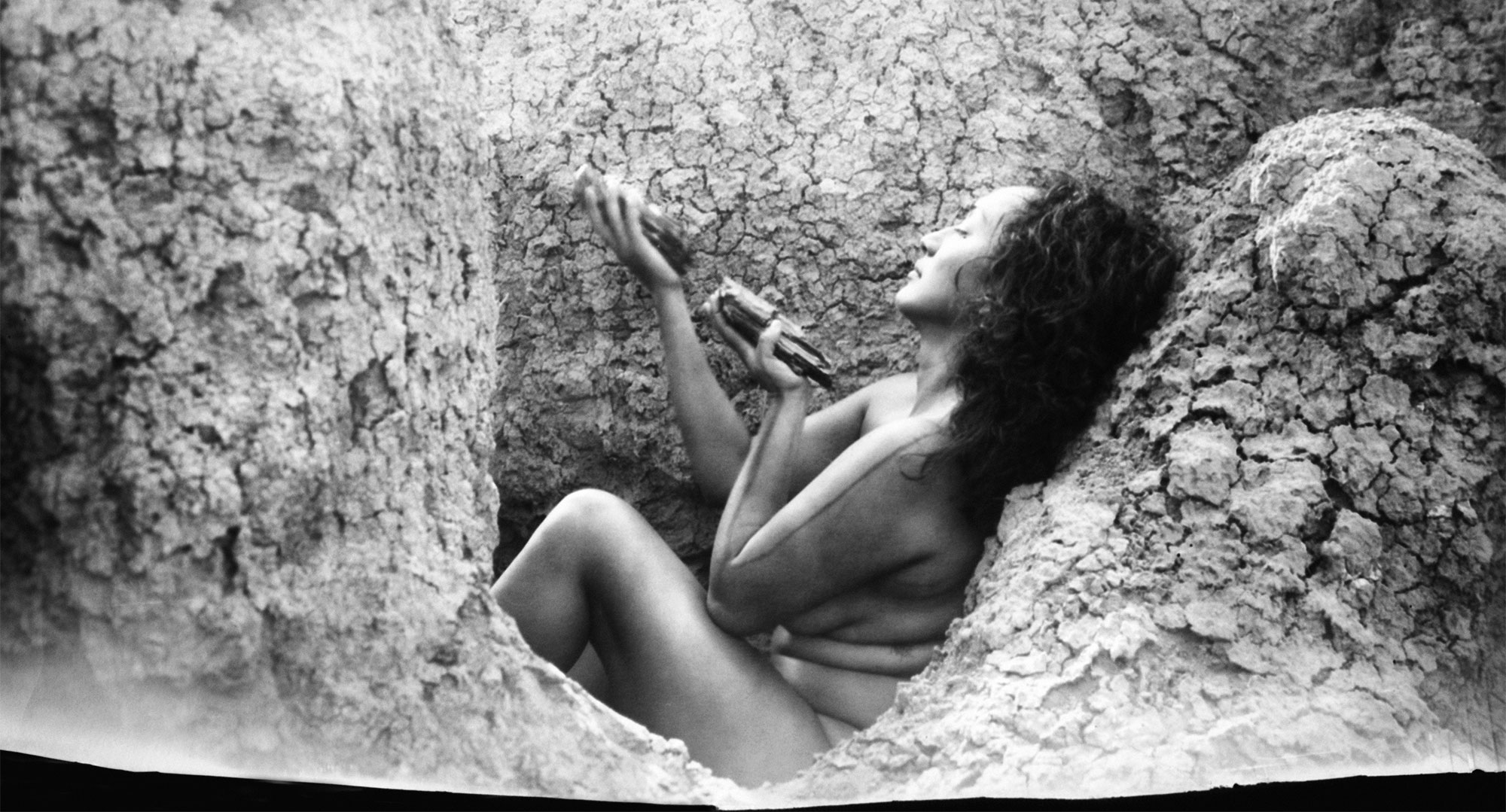
How does the body interact with its surroundings, to challenge power structures and inspire social imagination? How can the body act as a site of resistance and assert the power of self-definition?
This call for photographs is inspired by Autograph’s current exhibitions, offering multiple perspectives on the body in relation to queer, indigenous, diasporic and feminist politics and practices. We’re inviting you to join the conversation by sending us your image(s) and a short text caption to accompany the work.
Your photo submission could be an image you took in the past, a new work, a selfie or photos from your family album. You don’t need to own a fancy camera or be a professional artist to take part!
We welcome submissions from people aged 18 or older, based anywhere in the world. Our panel of judges will select their favourites to feature in a new online gallery on Autograph's website. Your image may also be shared on our social media and with press.
You can submit up to three photos. Please do not submit work featuring full frontal nudity as we will not be able to share this work through our digital platforms.

Submit your photos by 10am (GMT) on Monday 7 December 2026 using this Google form.
This submission process requires a Google login. If you are not able to sign in and complete the submission via Google, please fill out this document instead and email it along with your images to livvy@autograph-abp.co.uk
Selected images will feature on Autograph's website and social media. Works will be shortlisted by a panel of judges including:
Koyoltzintli is an interdisciplinary artist and educator. Her work revolves around sound, ancestral technologies, ritual, and storytelling, blending collaborative processes with personal narratives.
Neicia is a Curator at Autograph. Her practice is informed by intersectional feminist frameworks, foregrounding critical perspectives on representation, identity, and visibility.
Livvy manages Autograph's learning and digital engagement programmes. They have a particular interest in programming around queer identity and disability justice issues.
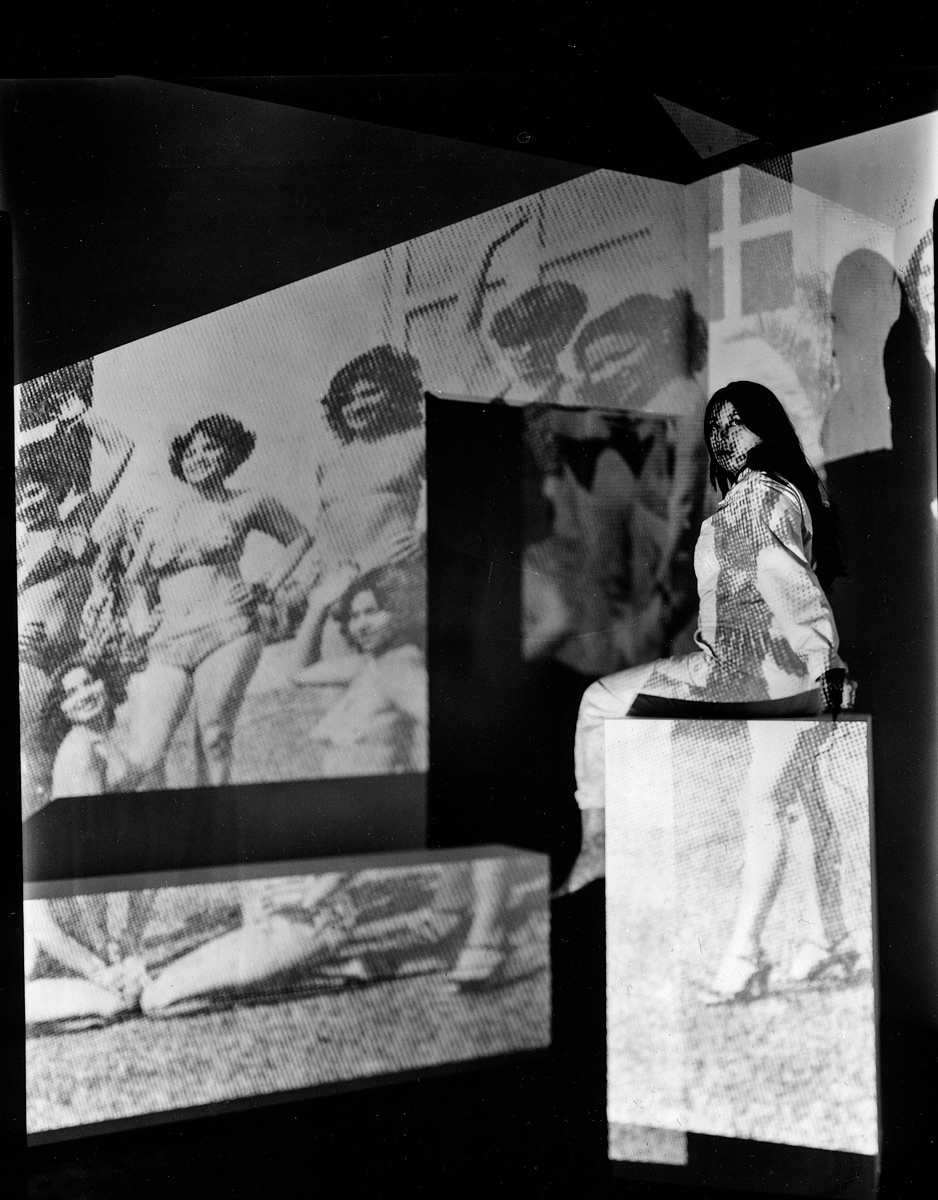
Autograph's current exhibition, Our Bodies Have Been Bridges features two series of work by Tarrah Krajnak. Born in Lima in 1979 and adopted by a white working-class American family, Krajnak explores the gaps in her personal history against the backdrop of Peru’s political upheaval. By placing her body in dialogue with archival photographs, she imagines a past that remains fragmented and unresolved.
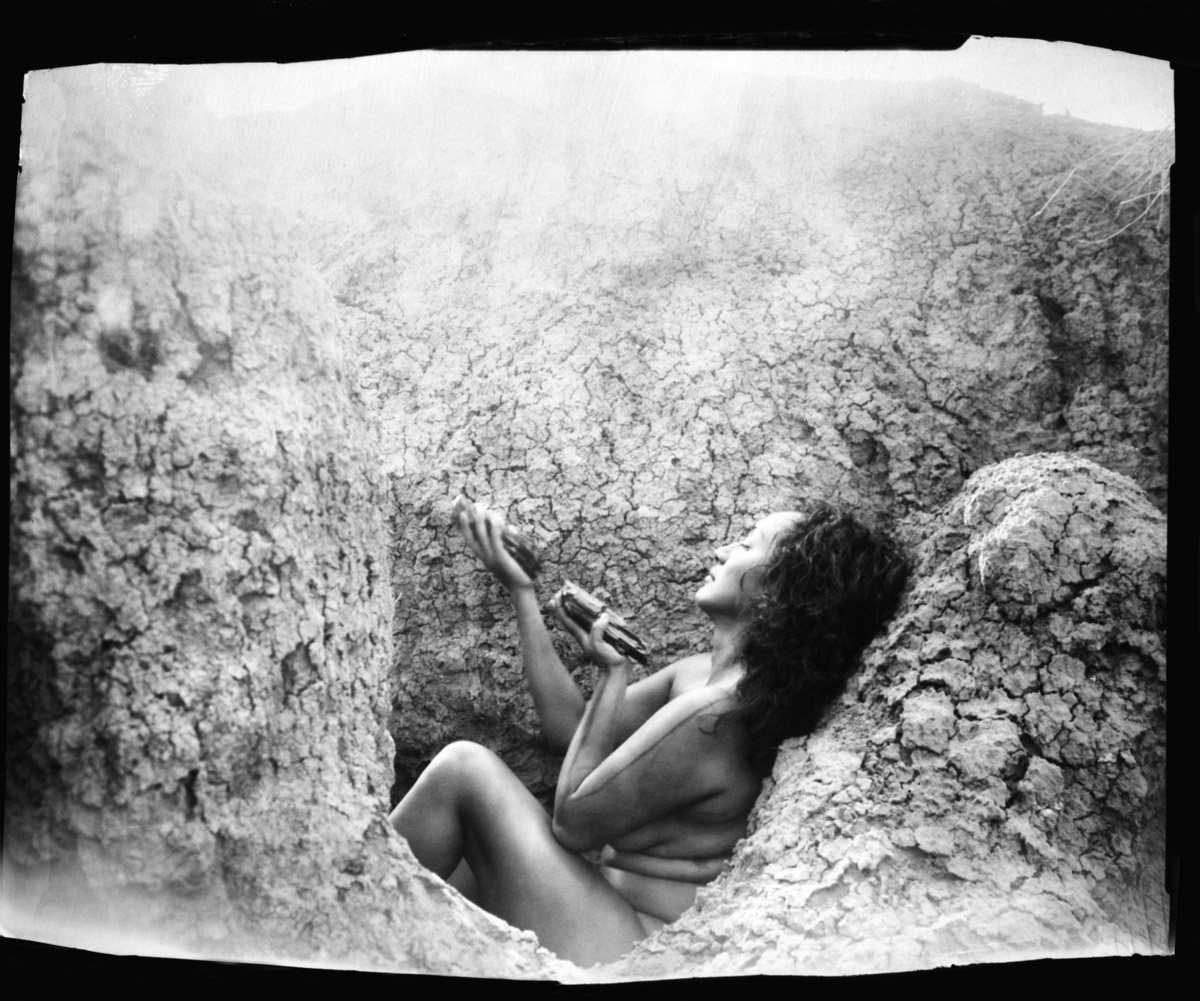
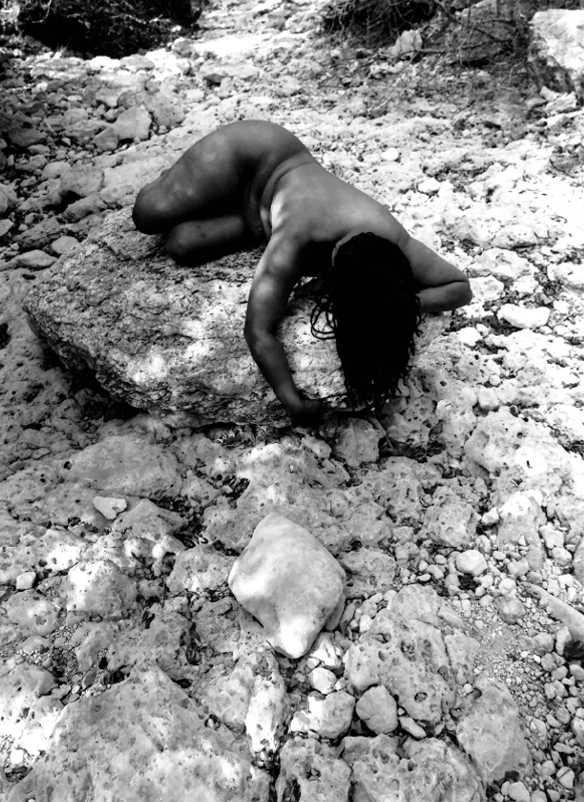
Koyoltzintli’s series, Meda, reflects the artist’s interest in exploring how embodied relationships with the land can carry ancestral knowledge across generations.
Photographed across the deserts of New Mexico and the ancestral landscapes of Manabí, Ecuador, bodies lie against rock, press into soil and fold into the contours of the land. The photographs draw on Indigenous origin stories, to propose that ancestral knowledge is carried through the body and activated through encounters with the land.
Laura Aguilar’s photographs expanded the possibilities of portraiture, placing bodies and lives rarely centred within dominant photographic histories at its centre. As a Chicana artist working in Southern California, Aguilar brought queer, Chicana/o and working class communities into the centre of the frame through portraits, self-portraits and nude figures positioned in the landscapes of the American Southwest.
She stated: "Women taking ownership of their bodies and allowing forgiveness of self as a form of healing is one of the ways in which I have approached my work."
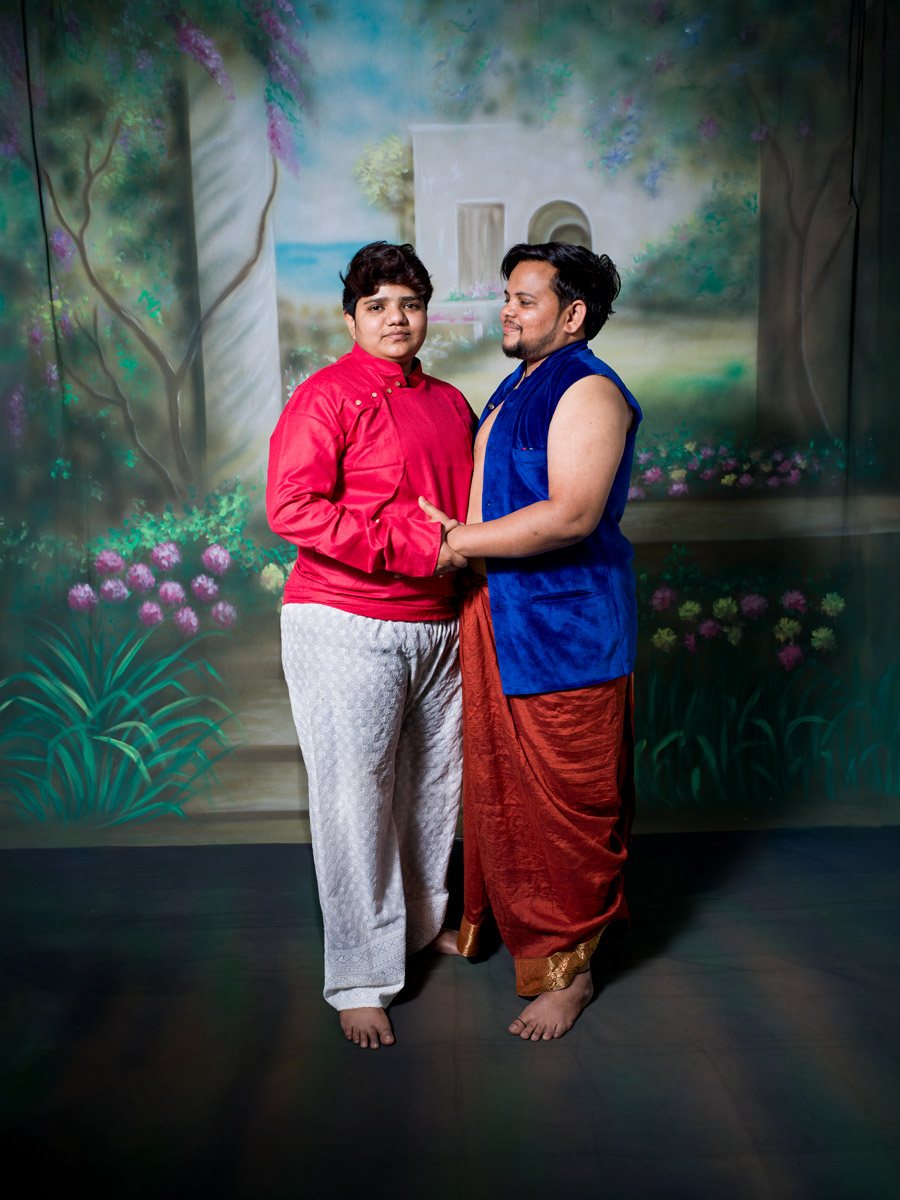
Your Tongue in My Mouth is a new exhibition of works by artist Charan Singh, examining how British colonial rule has imposed rigid controls on gender expression and intimacy in India, criminalising long-established third gender, queer and trans communities.
Singh’s portraits affirm ways of belonging that existed long before colonialism, acknowledging the sitters’ right to define how they are seen, represented and understood.
How many pictures can I submit?
You can submit a maximum of 3 photographs.
Is there a word limit for the text caption?
Yes, accompanying text captions need to be written in English and will be limited to 500 characters maximum.
Do I have to be based in the UK to take part?
No! We are accepting submissions from people based anywhere in the world.
Is there an age limit?
Yes, you must be 18 or older in order to take part in this call for photos.
Are there any image specifications?
Submissions must be in a digital format but the image does not need to have been originally taken on a digital camera. High-quality scans are also acceptable. Digital files must be a minimum of 1200 pixels along the longest side.
Will I retain the copyright for my work if selected?
Copyright for any images you submit will remain with you. We will credit all images with your name and sign off all captioning information with you before sharing the work publicly.
Will you provide feedback if I'm not selected?
We are a small team and we are not able to offer individual feedback for applicants who are not successful. Often the reason we’re not able to support your work is due to our limited capacity rather than the quality of your submission so please don’t be disheartened and feel free to engage with our future open calls.
Can I submit images that have already been published or exhibited elsewhere?
Yes!
I have an unanswered question, how can I contact you?
Get in touch with us by emailing info@autograph-abp.co.uk
By entering the Call for Photographs you are accepting the following:
1. Usage rights: By submitting your work, you grant Autograph the right to display the selected photographs for promotional use about the project, including on Autograph’s website, social media, advertising and in press.
2. Data consent: You allow Autograph to collect, process, store, and use your personal data (name and email) for this photo call. You can access, correct, or delete your data anytime by emailing info@autograph-abp.co.uk
3. Use of AI: While you will not be penalised for using generative AI, we require participants to declare if their images were created using generative AI tools.
4. Model releases: You have obtained permission from any individuals depicted in your photographs, and have model release forms where required. For images of children aged under 18, a release form signed by a parent or legal guardian is necessary to enter this call for photos. Any images made using generative AI tools which depict or are based on a real, identifiable person also requires a release form. An example of a model release form is available here.
5. Ethical considerations: Ensure your photos respect ethical guidelines to protect vulnerable individuals. We recommend reviewing the standards of the National Press Photographers Association and UNICEF for reporting on children.
6. Credit line: All photographs used by Autograph will include your name and credit line. Any inadvertent omission of this credit line by Autograph will not be considered a breach of the terms of the call for photographs.
7. Liability: You acknowledge that Autograph is not responsible for and will not be held liable for any misuse of your images.
8. Working agreement: The successful applicant/s will receive a working agreement for the use of their images, outlining further details on the above.
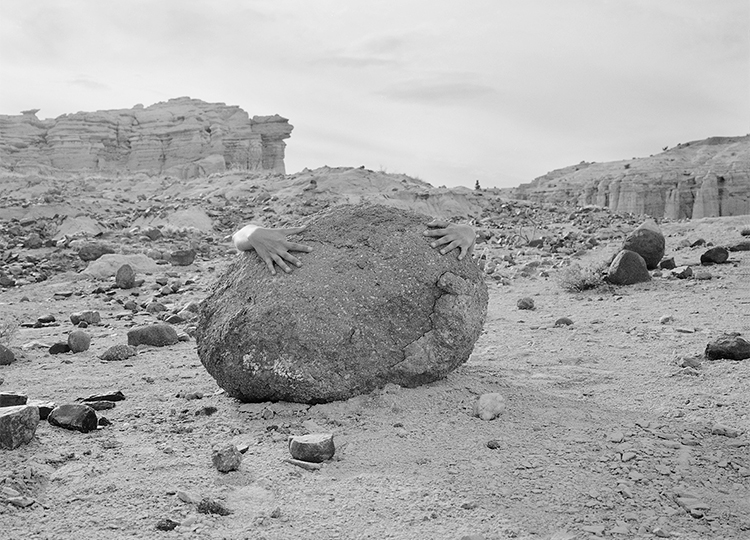
7 Oct 2026 – 13 Feb 2027
A free exhibition featuring the work of three artists exploring the intersections of indigenous knowledge and feminist thought
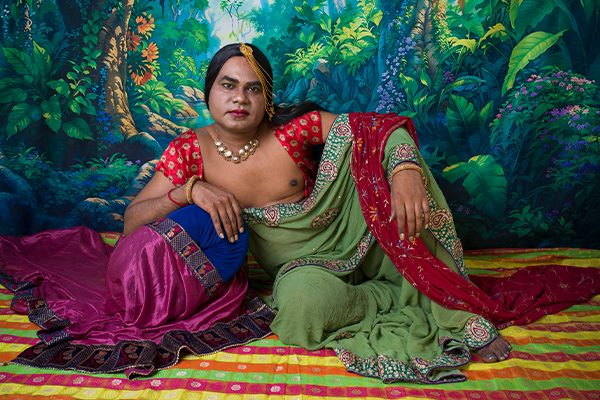
7 Oct 2026 – 13 Feb 2027
A free exhibition examining how South Asian queer narratives have been obscured, omitted and reshaped by colonial legacies
This Call for Photographs is programmed to coincide with the exhibitions Our Bodies Have Been Bridges and Charan Singh: Your Tongue In My Mouth which are supported using public funding from Arts Council England.
Banner image: Koyoltzintli, Obsidian Woman [detail], 2019. From the series Meda. © and courtesy the artist.
Images on page: 1) Tarrah Krajnak, Self Portrait as Miss Universe Contestant (Sitting). From the series 1979 Contact Negatives, 2019. Courtesy of the artist and Zander Galerie, Cologne. 2) Koyoltzintli, Obsidian Woman, 2019. From the series Meda. © and courtesy the artist. 3) Laura Aguilar, Motion #50, 1999. © Laura Aguilar. Courtesy of The Laura Aguilar Trust of 2016. Collection of Light Work, Syracuse. 4) Charan Singh, Gopal & Shankar, 2026. Commissioned by Autograph, London.
Part of the exhibitions: 1) Koyoltzintli, Spider Woman Embrace, 2019. From the series Meda. © and courtesy the artist. 2) Charan Singh, Rasili, 2026. Commissioned by Autograph, London.
Join our newsletter and get the latest on Autograph’s exhibitions, events, open calls, digital content, books, prints and fundraising. Find out more.



Autograph is a space to see things differently. Since 1988, we have championed photography that explores issues of race, identity, representation, human rights and social justice, sharing how photographs reflect lived experiences and shape our understanding of ourselves and others.
Support our work