


 0
0
0

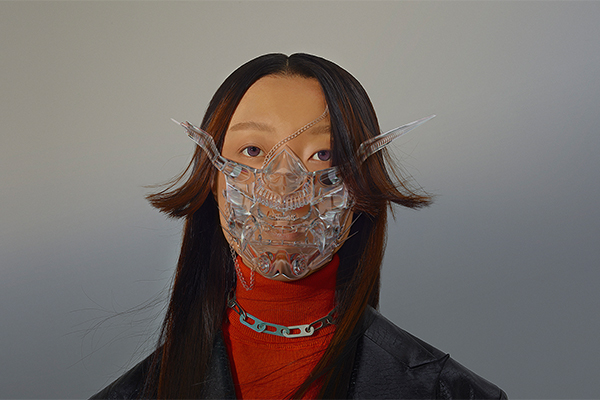
Introducing Of Walking on Fire, Autograph’s new exhibition of work by Nhu Xuan Hua, working at the intersection of art and fashion photography to consider what is communicated – or withheld – across generations?
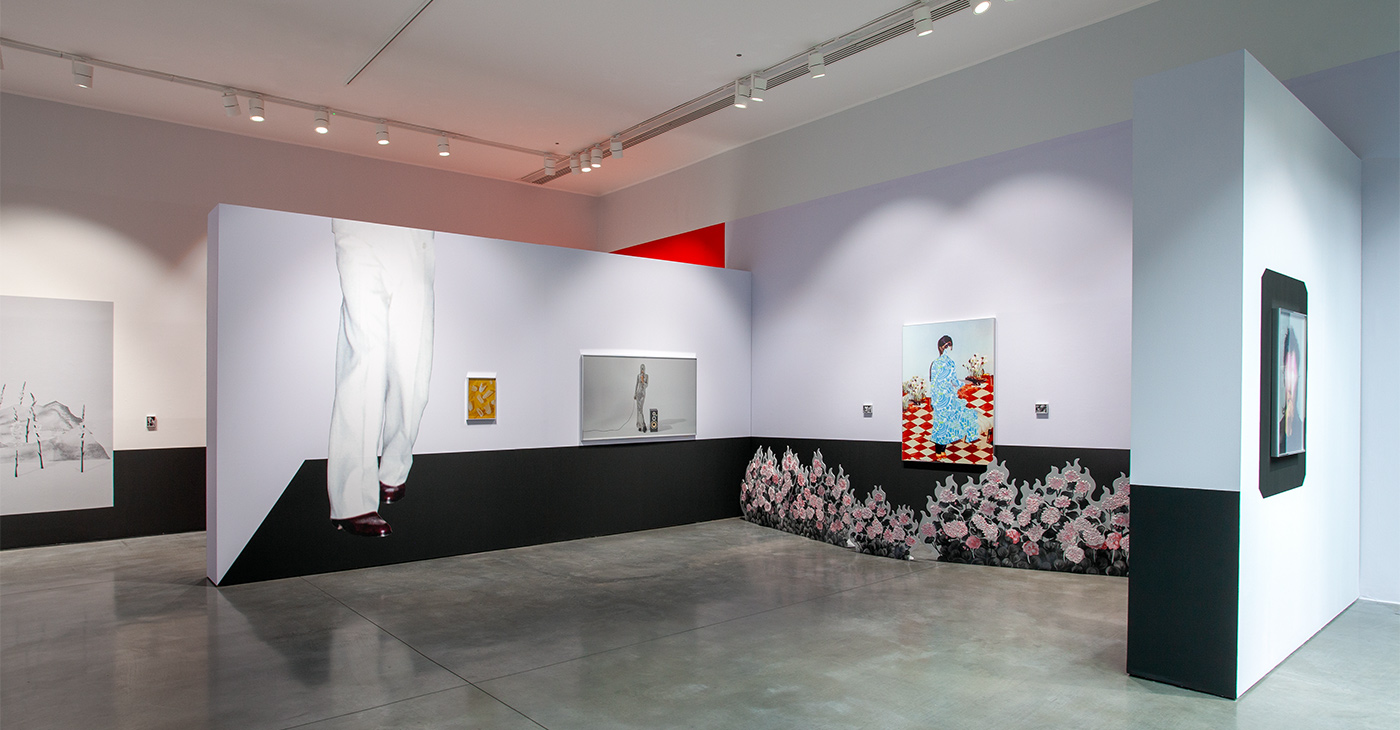
Our new exhibition Nhu Xuan Hua: Of Walking on Fire is the artist’s first solo exhibition in the UK. Working at the intersection of art and fashion photography, Hua reflects on the fragility of how stories are communicated – or withheld – across generations. Here we introduce the artist and answer five quick questions that are key to the show.
The exhibition is on display and free to visit at Autograph until 19 September 2026.
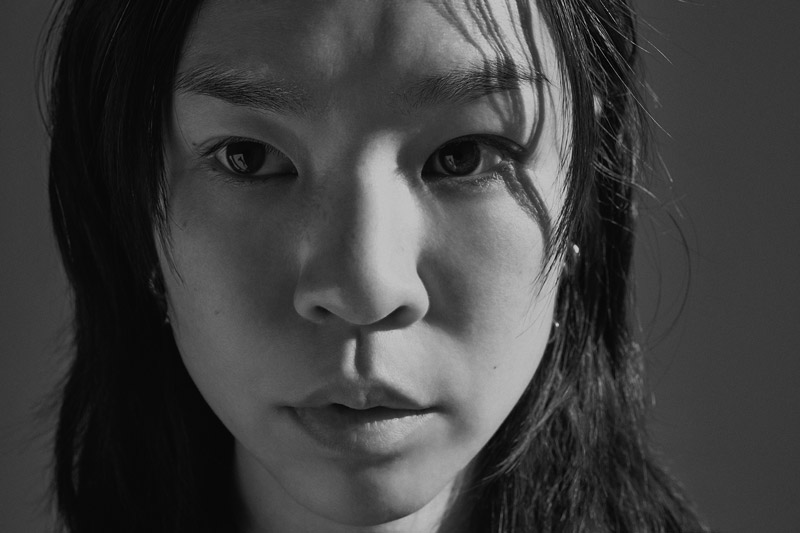
Nhu Xuan Hua (b.1989) is a French artist and photographer of Vietnamese heritage. Known for her distinctive visual language, Hua originally trained in fashion photography and has gradually shifted towards a multidisciplinary practice that explores memory, identity and displacement.
Hua states: “My images grow out of personal memories, family histories or questions I am trying to understand over time – the work is a negotiation between what is inherited and what is imagined. By allowing fiction or dreamlike elements to enter the image, I create a space where fragments can coexist and be linked in dialogue. It becomes a place where reality and imagination overlap, where certain feelings can become tangible.”
To find out more about the Hua and her work, read this interview with Autograph’s Senior Curator, Bindi Vora.
%20nhu%20xuan%20hua%2C%20the%20white%20dress%2C%20the%20roses%20and%20the%20black%20window%20%E2%80%93%20archive%20from%20the%20year%20%E2%80%9972%2C%202016-2021.jpg "sample")
In the exhibition, Hua’s photographs are displayed amongst installations of ornaments, trinkets, flowers and vases, taking inspiration from Vietnamese temples. The artist’s photography is informed by her work in fashion, but she also takes influence from other sources including cinema, music, poetry, fiction and conversations with friends and family. Hua wrote a new poem to accompany the exhibition, also titled Of Walking on Fire, which you can listen to here.
Hua’s exhibition takes place across two gallery spaces. Gallery 1 introduces Hua’s series of work Tropism: Consequences of a Displaced Memory which draws on personal photographs from Hua’s family archive, capturing her extended family’s early years in Belgium and France. Through digital manipulation, she softens and dissolves the figures into one another, creating images that hover between recognition and erasure, to reflect on how the past continues to be felt in the future.
%20nhu%20xuan%20hua%2C%20new%20chapter%20%E2%80%93%20archive%20from%20the%20year%20%E2%80%9985%2C%202026.%20commissioned%20by%20autograph%2C%20london%20(2).jpg "sample")
In Gallery 2, the focus shifts to explore ideas of renewal. For example, Hua’s work New Chapter – Archive from the year ‘85, acts to both close the old chapter of the Tropism: Consequences of a Displaced Memory series and open up a new one. This archival photograph was taken in Belgium in 1985 and is the only known image of Hua’s grandparents posing together. It serves as the last image in the exhibition to feature that generation of the family, with new works looking to the future.
Issues of communication are central to Hua’s work. Born and raised in Paris to immigrant parents who fled to Europe after the war in Vietnam (1955-1975), Hua lacked a shared language across her family. While Hua was raised speaking French, Vietnamese was the primary language used in her household and her father, who is oral-deaf, communicates in spoken Vietnamese and a self-taught form of French Sign Language.
As Hua explains, “communication often existed in the gaps between these languages, and interpretation became a language in itself. Because of this, I became attentive to other forms of understanding – facial expressions, posture, silences, the energy one holds in a space.”
%20Nhu%20Xuan%20Hua%2C%20Ses%20geraniums%2C%20les%20siens%2C%202017.jpg "sample")
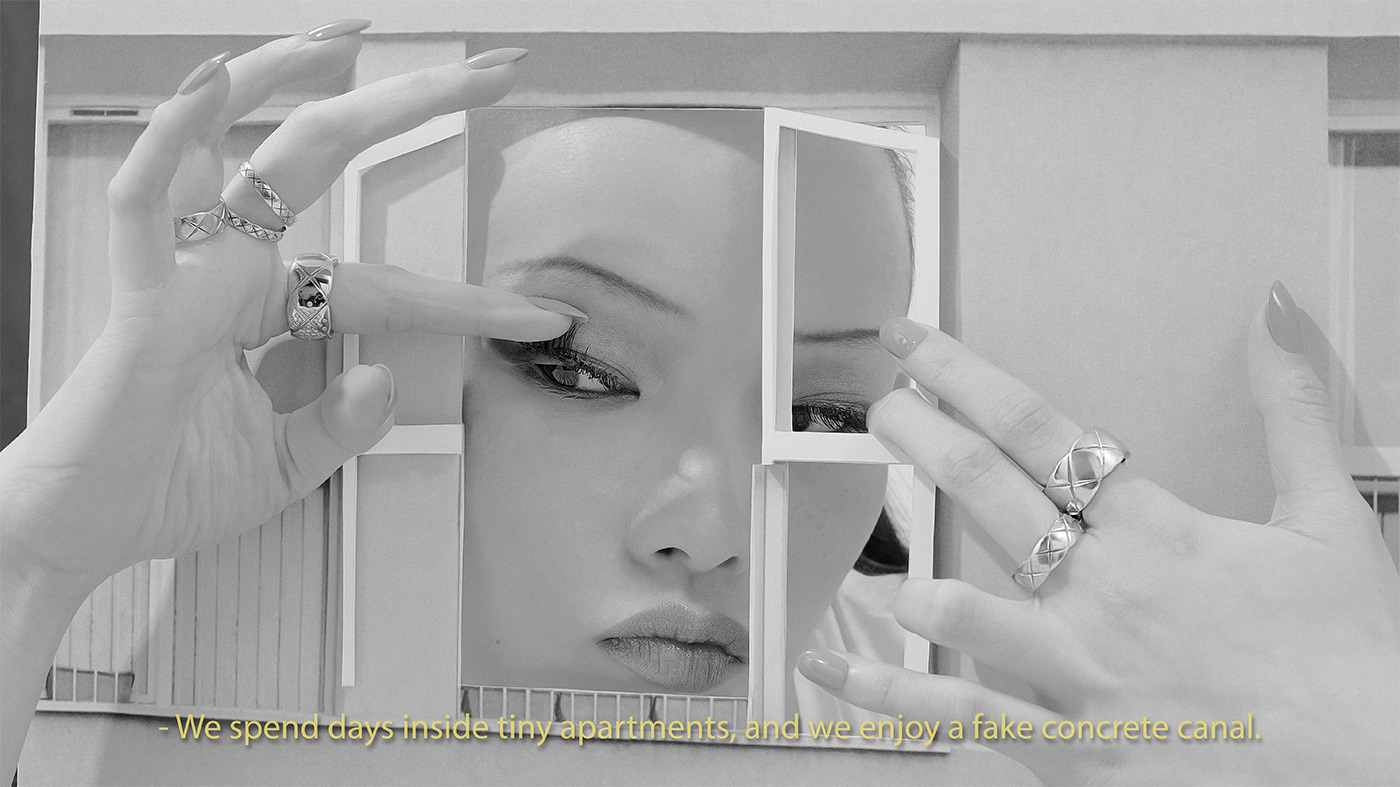
Flowers have a recurring presence in Hua’s work, standing as a symbol for her mother and solidarity between women. In works such as Ses geraniums, les siens (Her geraniums, her own) and The garden is mine, Hua uses possessive language to embolden herself and the women around her to reclaim space and objects, to make them something no one can take away. The floor-based flowers, titled The Guards also speak to this idea of liberation, representing women as daughters, friends and sisters, standing together.
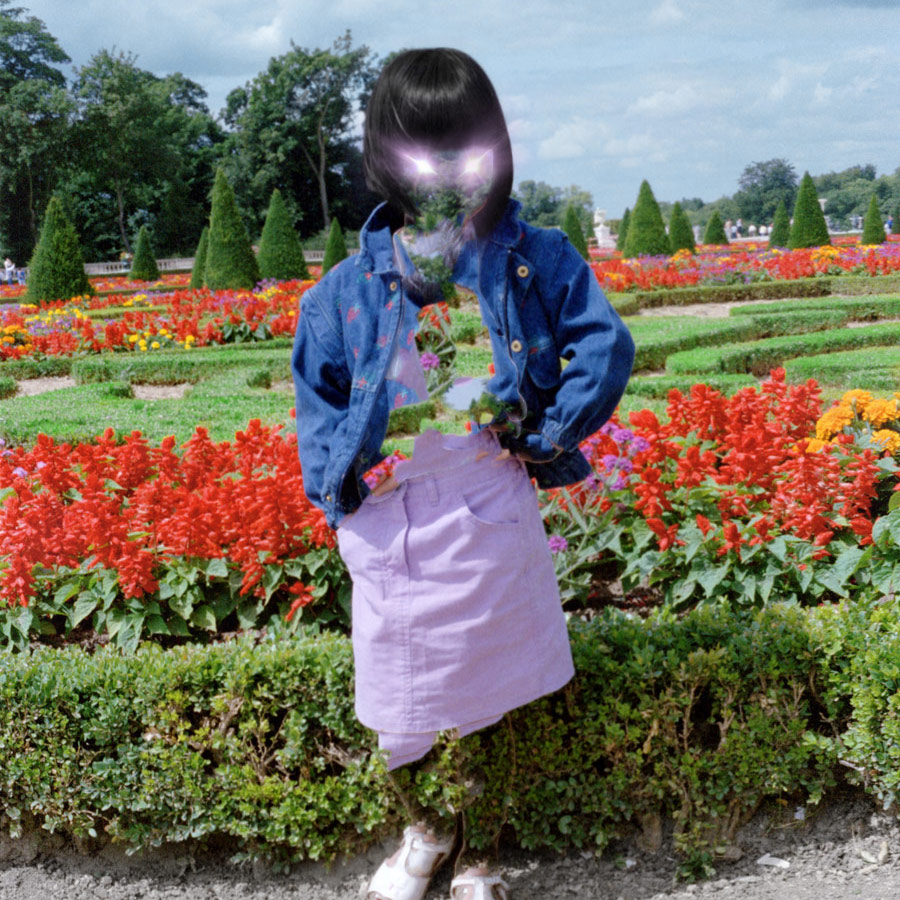
Đạo Mẫu is a Vietnamese folk religion involving the worship of mother goddesses connected to four realms: heaven, mountains, water and earth. Hua utilises this tradition, to celebrate and pay respect to the maternal figures in her life. For example, at the heart of Gallery 2 is Little Super in Versailles – Archive from the year ’88, a new work commissioned by Autograph, which imagines the figure of a young girl as a powerful symbol of resilience. This figure represents and acknowledges the work that Hua’s mother and grandmother have undertaken, and that Hua herself will continue. They carry the weight of family history and rituals, but their strength and endurance has served to sustain connection across generations.
All images © Nhu Xuan Hua.
Banner image: Exhibition installation. Photograph by Kate Elliott.
Images on page: 1) Courtesy Nhu Xuan Hua. 2) Nhu Xuan Hua, The White Dress, The Roses and the Black Window – Archive from the year ’72, 2017-2022. Courtesy of the artist and Anne-Laure Buffard, France. 3) Nhu Xuan Hua, New Chapter – Archive from the year '85, 2026. Courtesy of the artist and Anne -Laure Buffard, France. Commissioned by Autograph, London. 4) Nhu Xuan Hua, We spend days inside tiny apartments and we enjoy a fake concrete canal, 2020. Courtesy of the artist and Anne-Laure Buffard, France. 5) Nhu Xuan Hua, Ses geraniums, les siens, 2017.
Courtesy of the artist and Anne-Laure Buffard, France. 6) Nhu Xuan Hua, Little Super in Versailles – Archive from the year '88, 2026. Commissioned by Autograph, London.
Visit the exhibition: Nhu Xuan Hua, The one who couldn’t talk, 2021. Courtesy of the artist and Anne-Laure Buffard, France.
Join our newsletter and get the latest on Autograph’s exhibitions, events, open calls, digital content, books, prints and fundraising. Find out more.



Autograph is a space to see things differently. Since 1988, we have championed photography that explores issues of race, identity, representation, human rights and social justice, sharing how photographs reflect lived experiences and shape our understanding of ourselves and others.
Support our work

