


 0
0
0
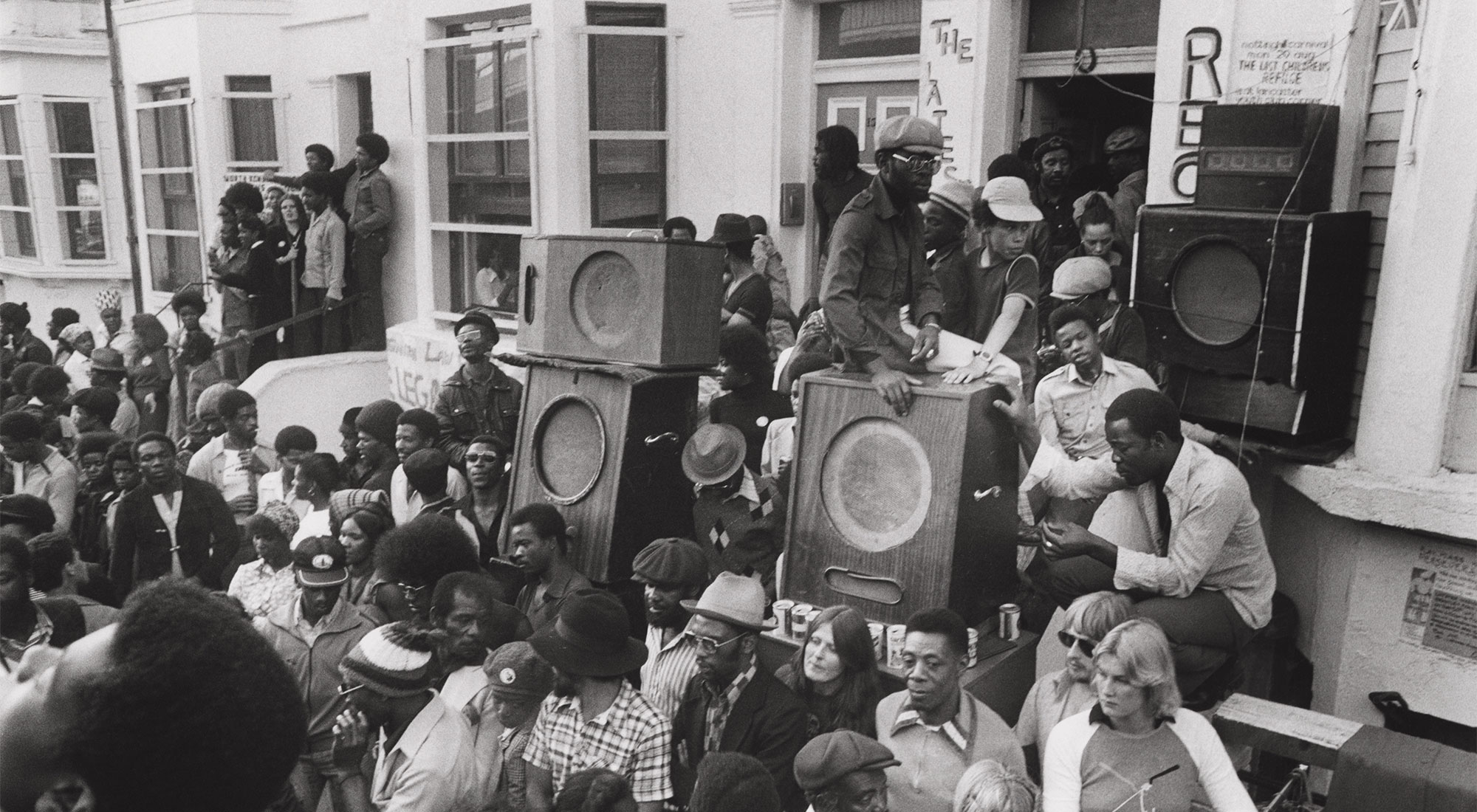

For more than four decades, Armet Francis’ mission in photography has been to document the African diaspora. A Jamaican-British photographer with an acute understanding of black consciousness, Francis’ images are life-affirming moments that celebrate the resilience and survival of African diasporic cultures. Now recognised as a pioneering figure in the photographic canon, Francis is best known for his social documentary and fashion images.
As one of the founding signatories of Autograph in 1988, we are proud to have worked with Francis on numerous occasions in the time since, including artist commissions such as a series of portraits of those who arrived on the Empire Windrush, documentary projects that focused on Black communities in and around Brixton, the celebrated Africa95 festival and the 4th Rencontres Africaines de la Photographie Bamako Mali, 2001. In 2018 Autograph made a key acquisition of Francis’ works through the Heritage Lottery Fund project In A Different Light and in 2023, Autograph hosted Francis’ solo exhibition Beyond the Black Triangle.
Now, Francis has gifted his photographic archive to Autograph, who will care for these works as part of our collection and ongoing commitment to preserving the legacies of practitioners, like Francis, who have recorded important narratives that have contributed to British history. Below, we’re delighted to present a selection of celebrated and rarely seen works from the artist.
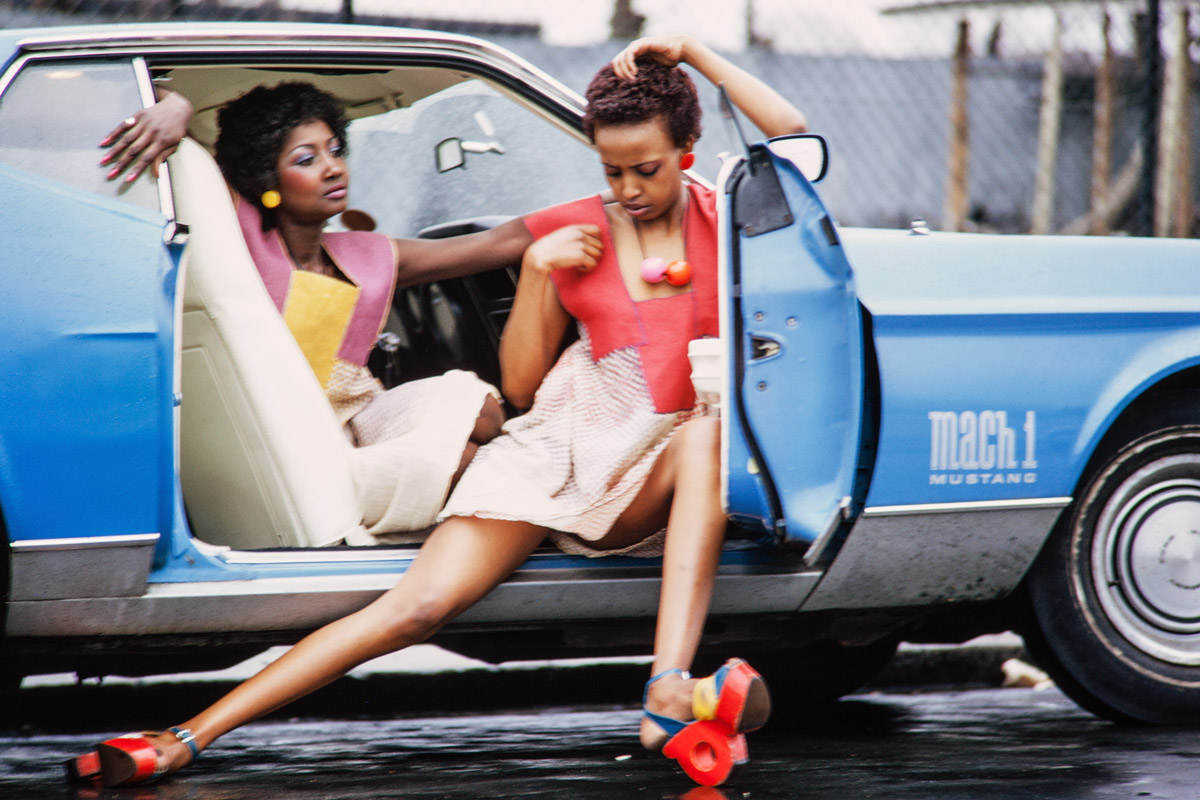
*Fashion Shoot, London, 1973
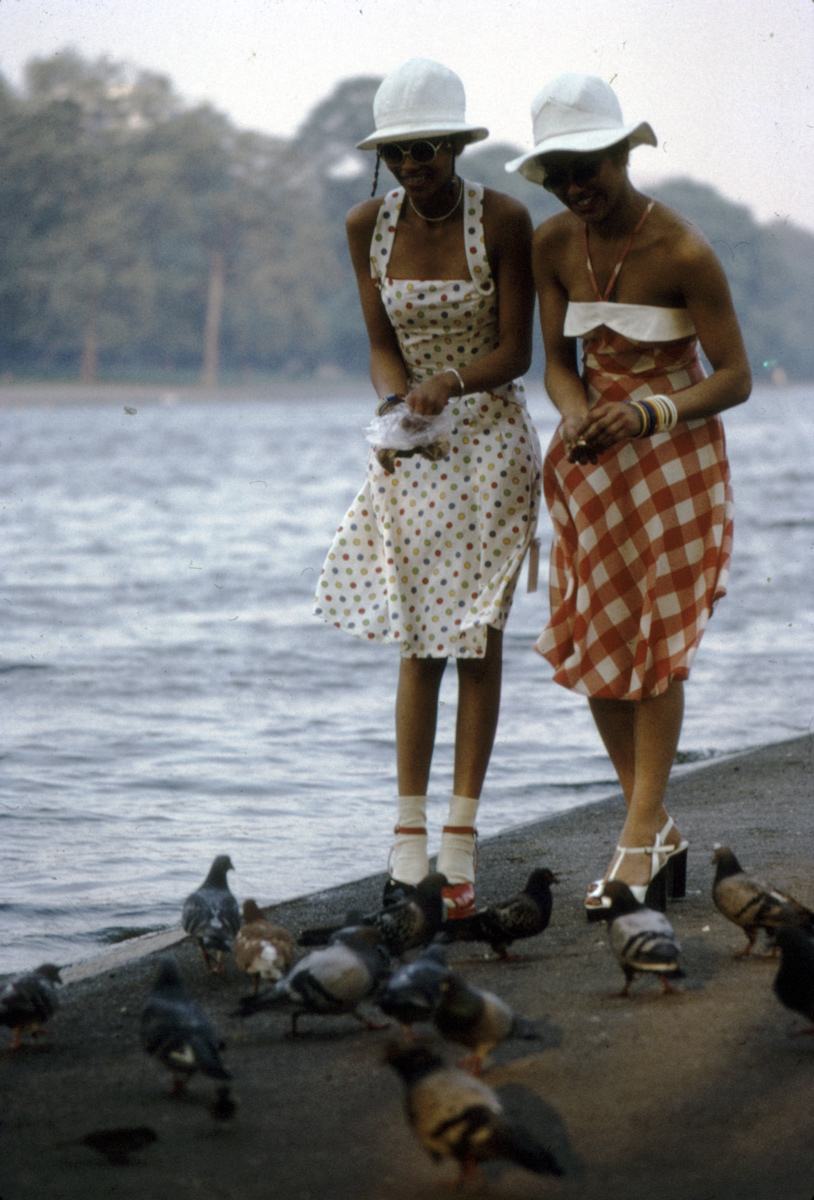
Fashion Shoot, London, 1973
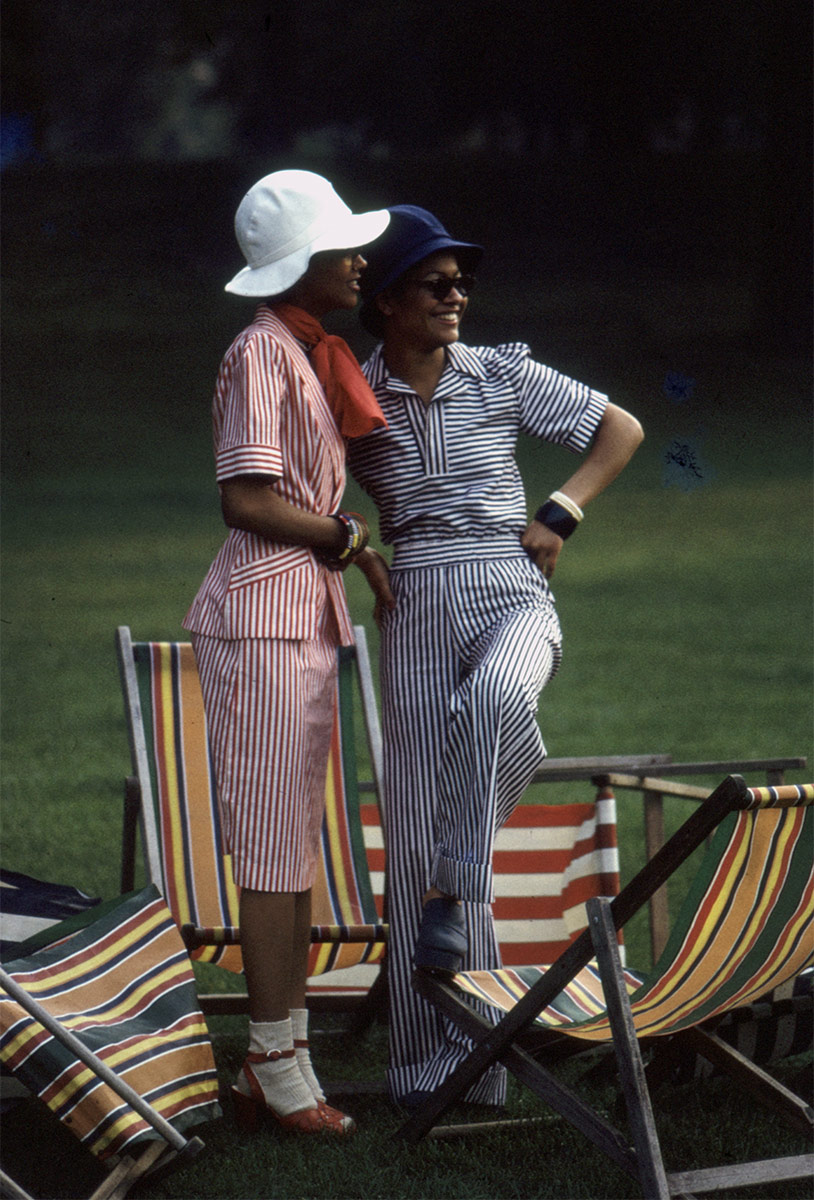
Fashion Shoot, London, 1973
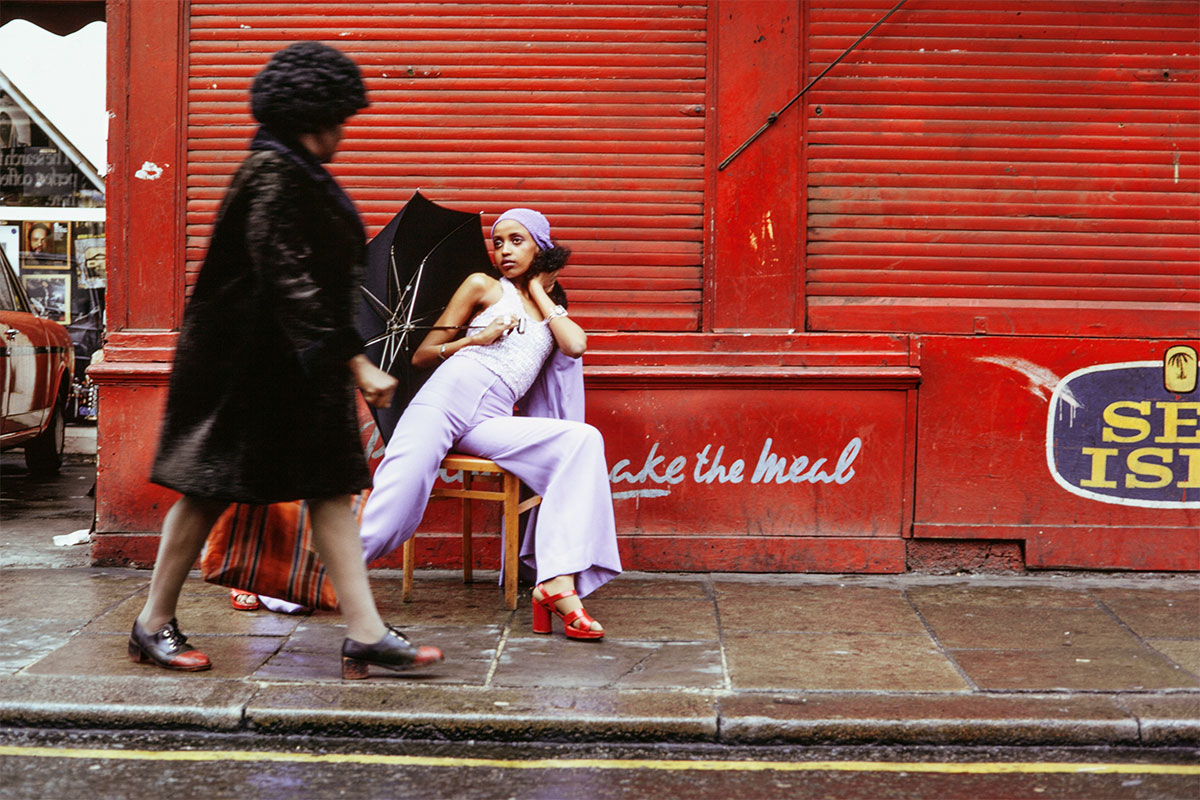
*Fashion Shoot, London, 1973
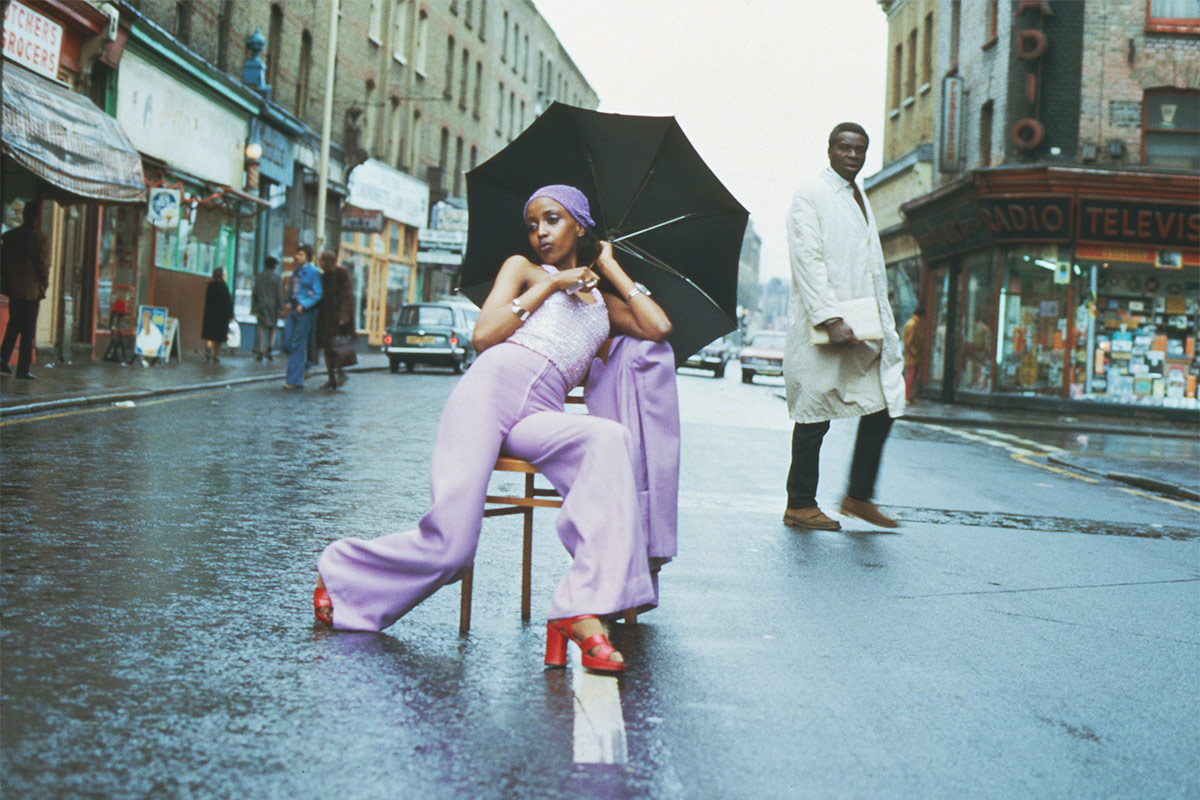
Fashion Shoot, London, 1973
In this series of fashion photographs taken for 19 magazine, a young women’s fashion magazine, Francis chose to portray black British style against the lively backdrop of Brixton market capturing the effervescent bold fashion of the 1970s. At this time, Brixton had developed a large black British community, following migration mainly from the Caribbean, in a post-war period during which London underwent radical social changes. Francis saw this commission as an opportunity to showcase rare frames of black joy and celebration. “To photograph a black model in an urban, multicultural society holds an important social documentary meaning, which for me started in Jamaica in 1969 and continued in this fashion shoot.” The resulting images are glamorous and vibrant capturing the emerging sense of black British style.
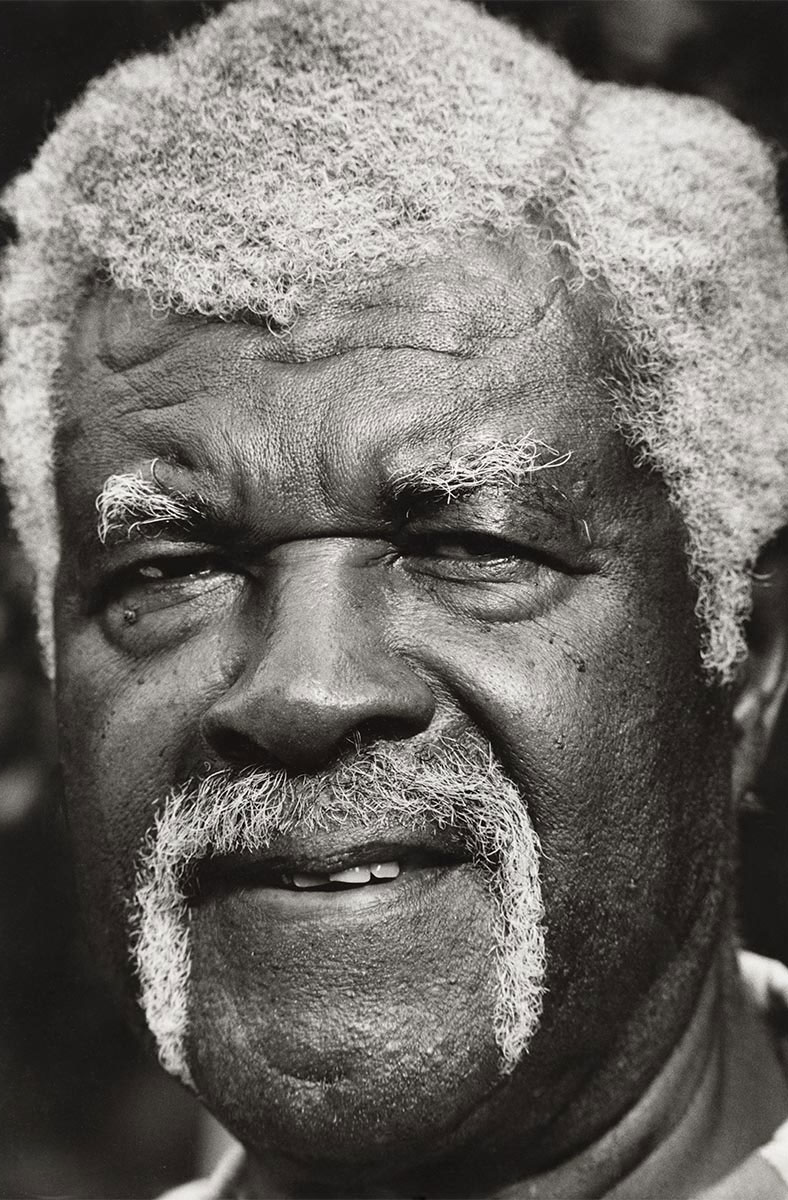
Sam King, from the series Windrush, commissioned by Autograph in 2008
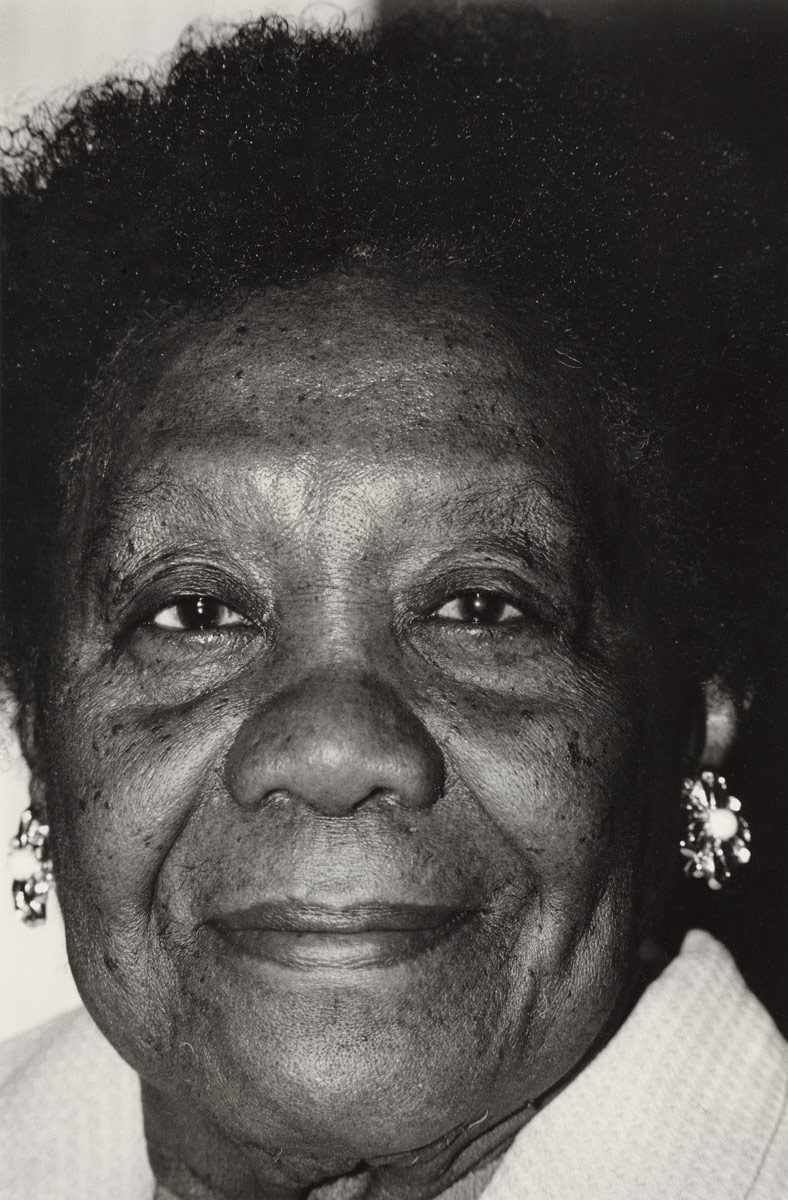
Lucille Harris, from the series Windrush, commissioned by Autograph in 2008
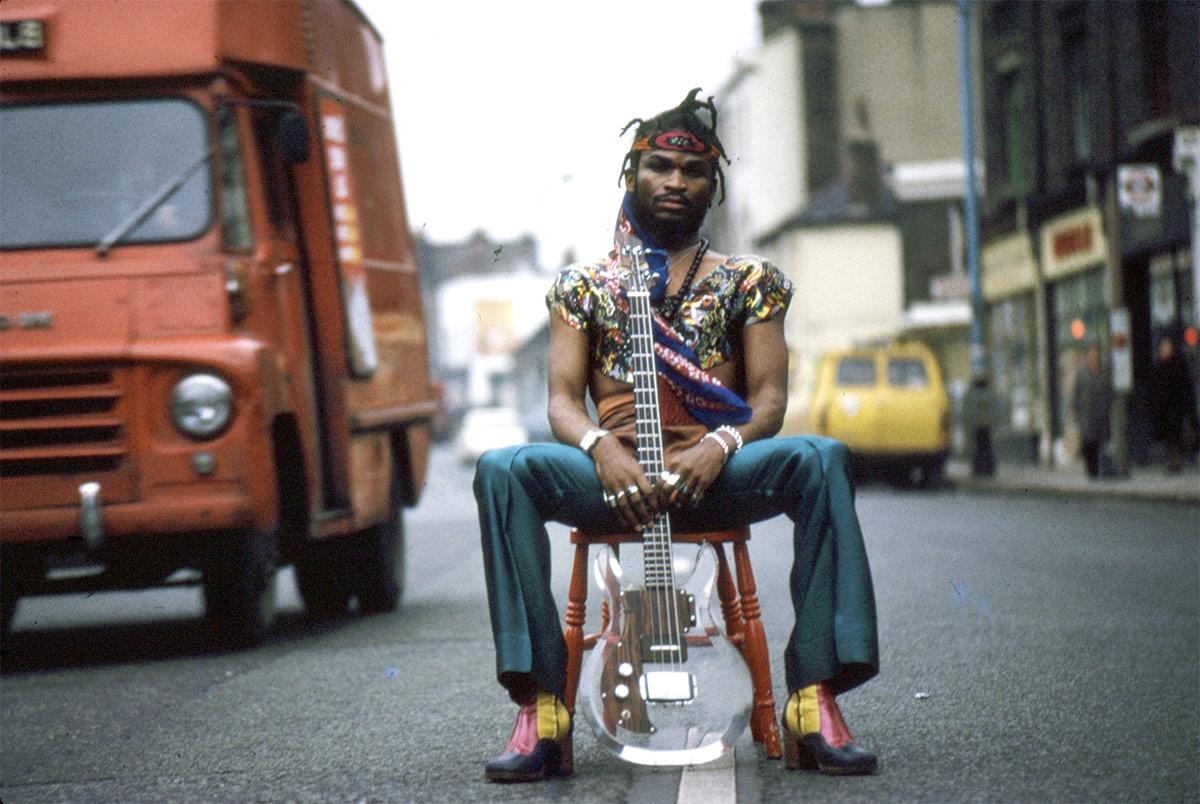
Spartacus R, London, c. 1971
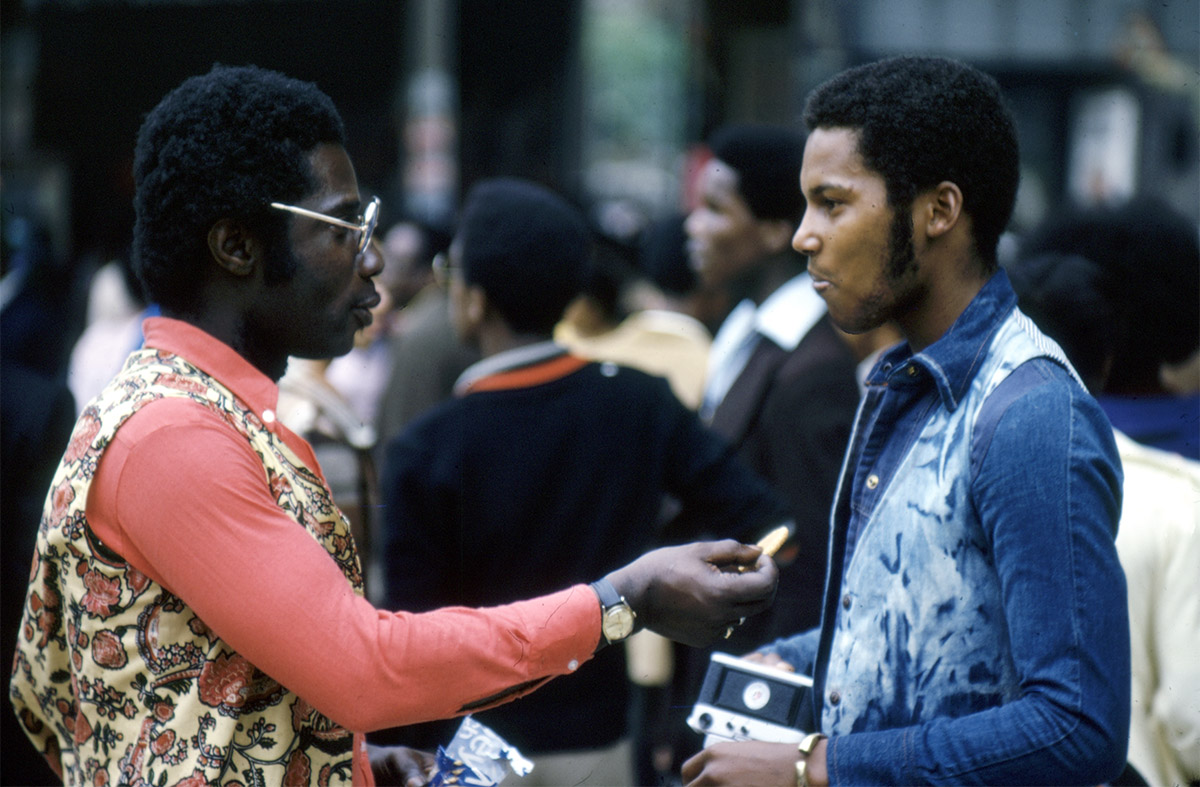
Carnival, Notting Hill, London, c.1980s
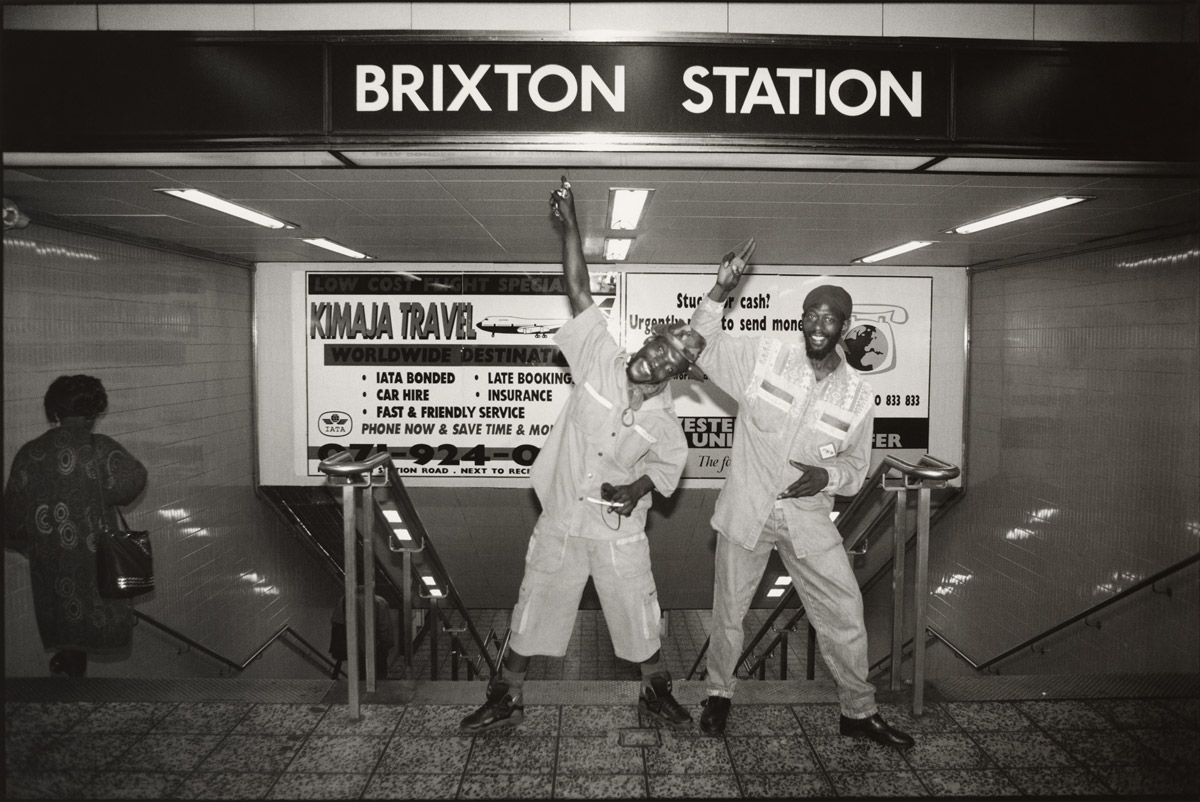
From the series Lambeth and Brixton Tube, commissioned by Autograph, 1994
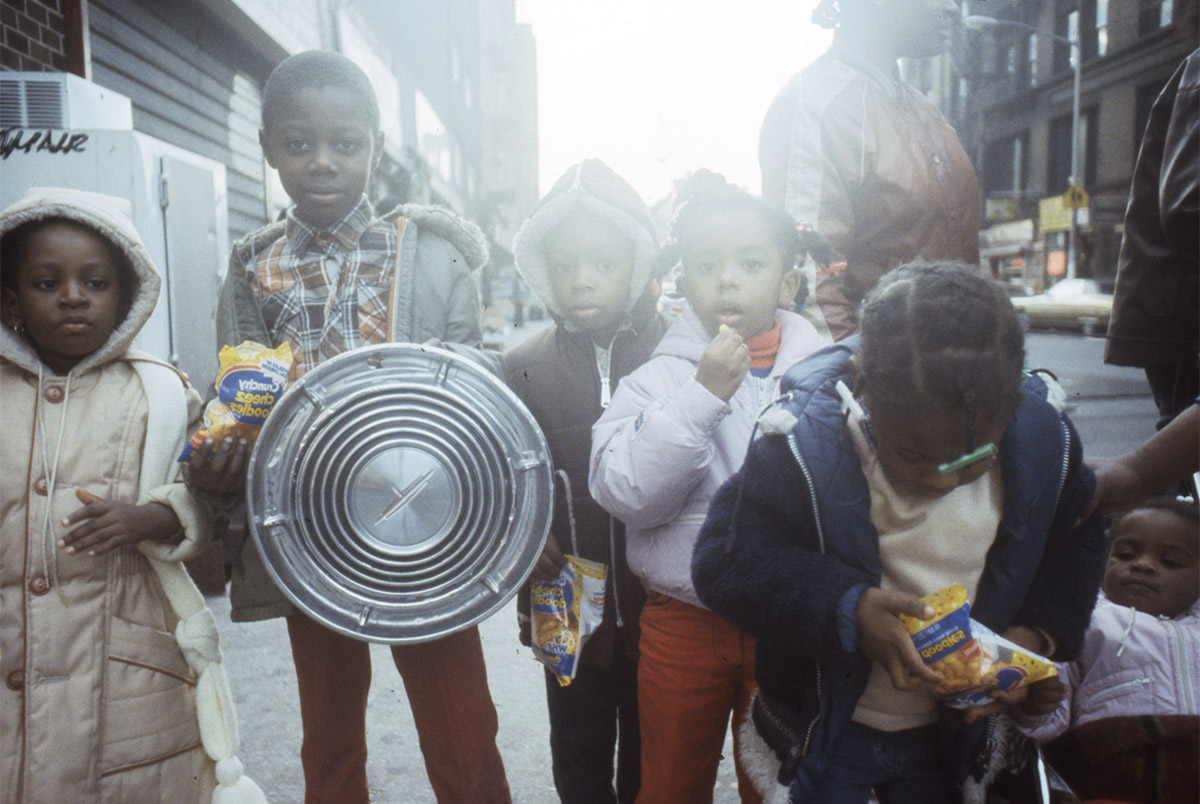
New York City, c.1980s
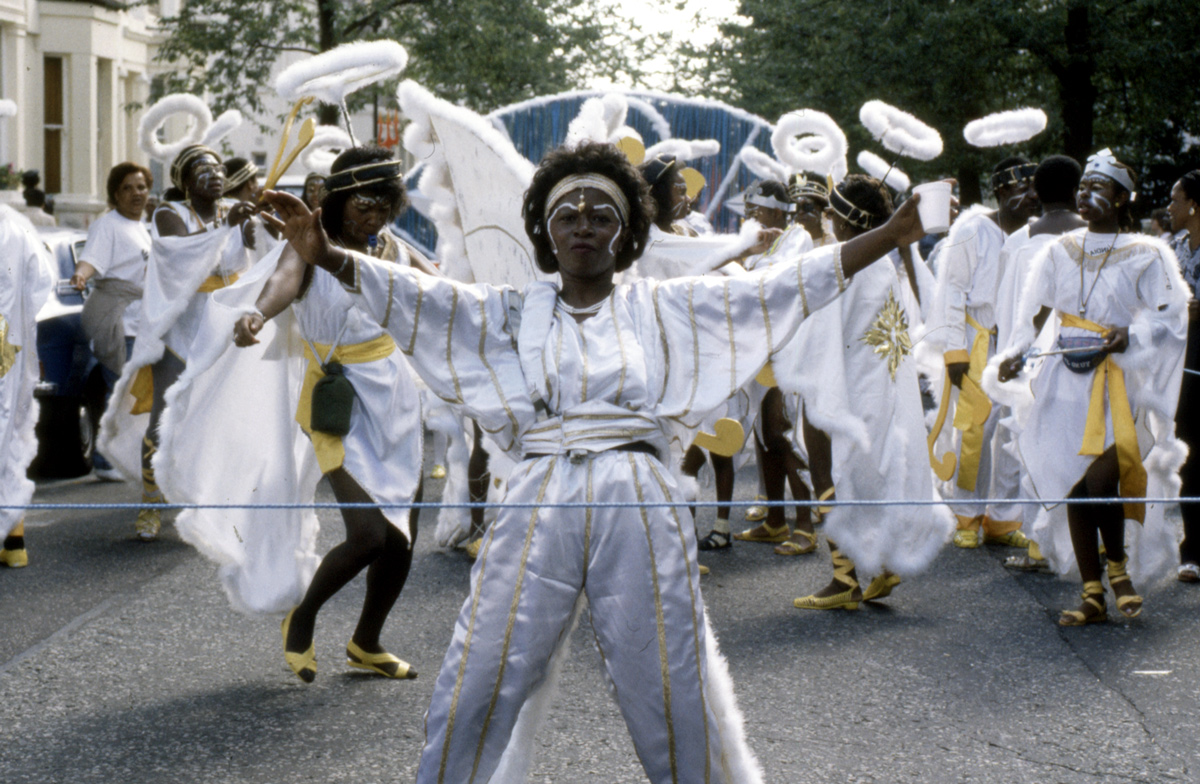
Carnival, Notting Hill, London, c.1980s
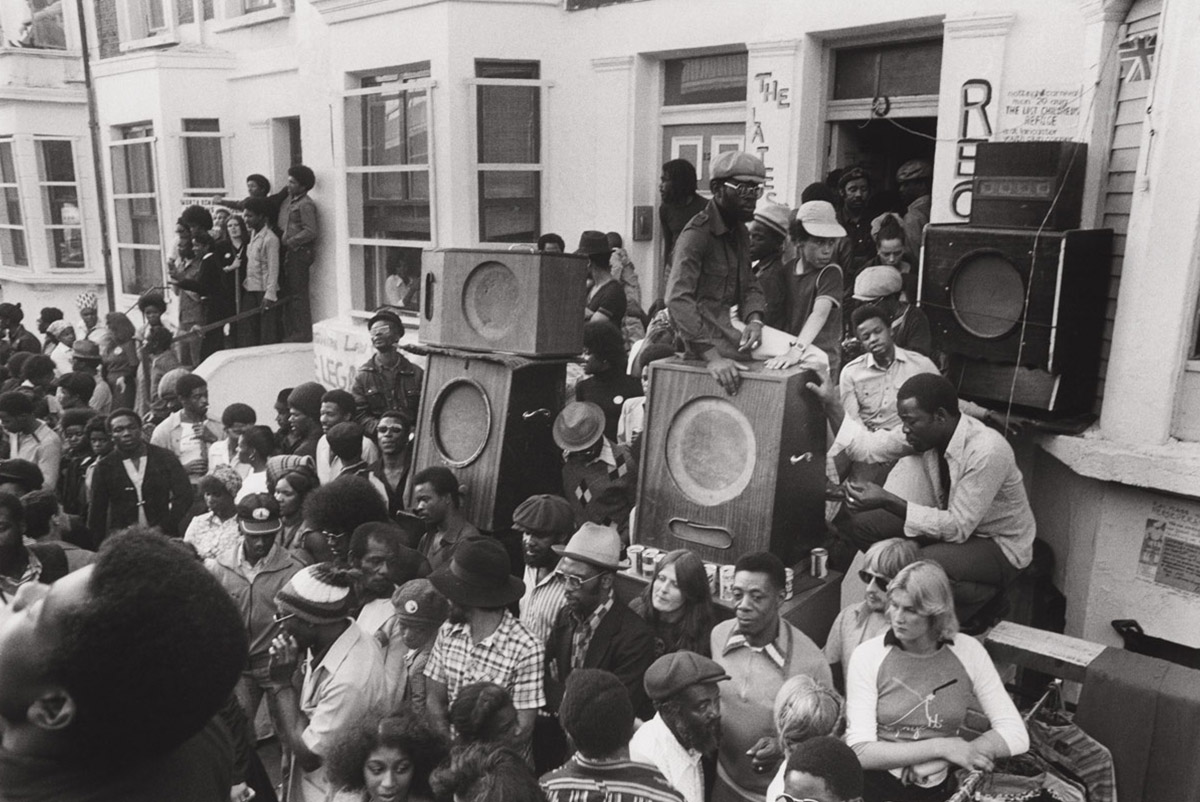
*Carnival Sound System, London, 1968
Francis’s photographic journey over four decades encapsulates the fragmented experiences of diasporic communities. In 1994, Autograph commissioned Francis to capture the diverse community around the London borough of Lambeth, with a focus on Brixton Tube station. The resulting series of photographs depict people from all walks of life going about their everyday business.
Another later commission, a series of portraits taken in 2008, documents those who had arrived on the Empire Windrush in 1948, acting as a critical intervention that gives names to the faces of those who journeyed on that historic voyage which changed Britain forever. As the late Professor Stuart Hall stated, Francis “tried through his images to reassemble the fragmented experience of dispersal around a compelling Pan-African vision.”
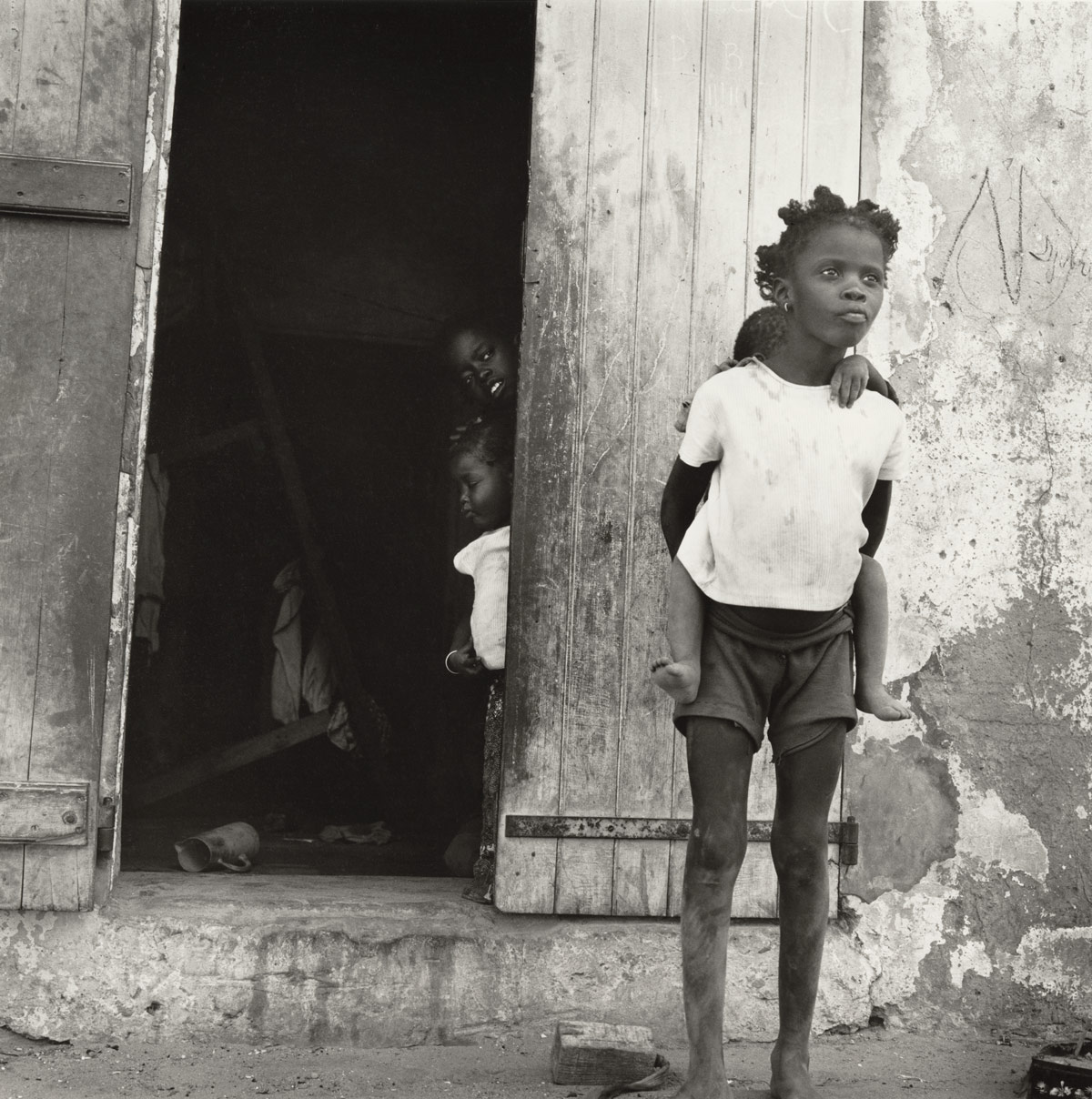
Senegal, 1976
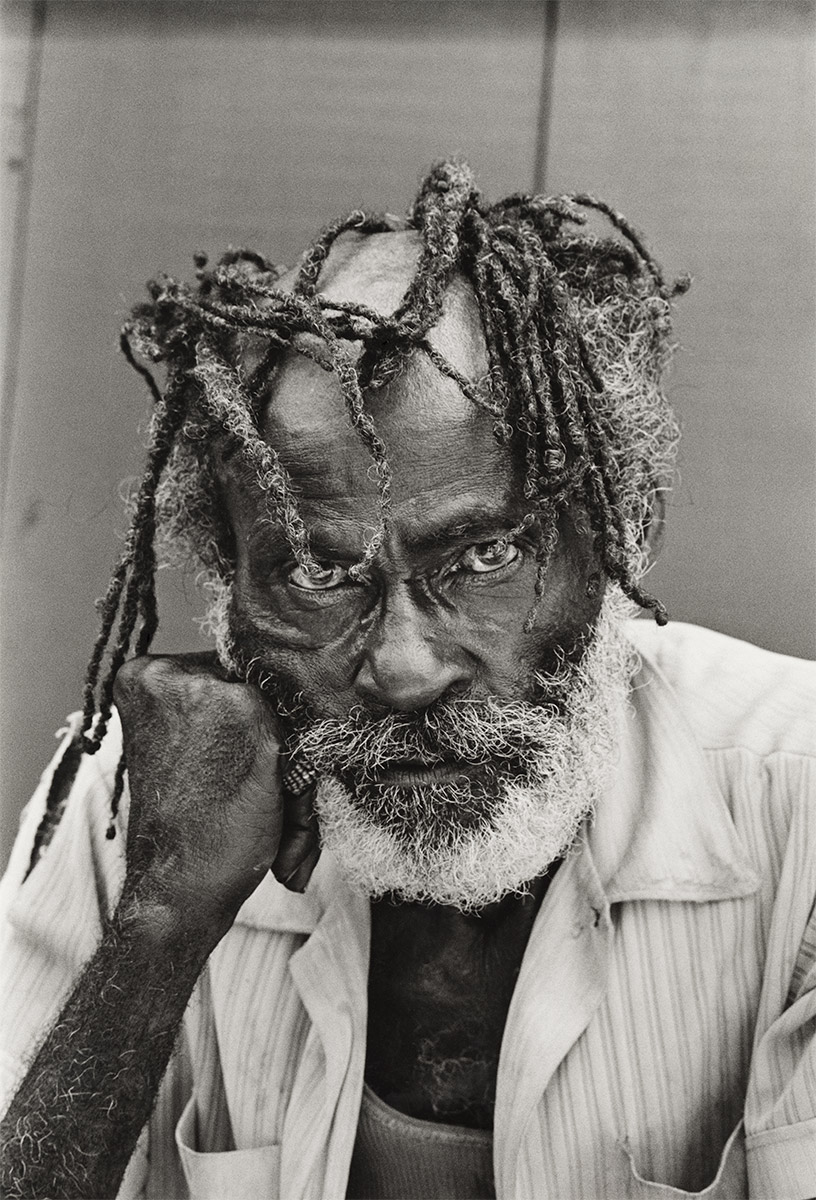
Rastafarian Elder, Tuff Gong, Jamaica, 1980
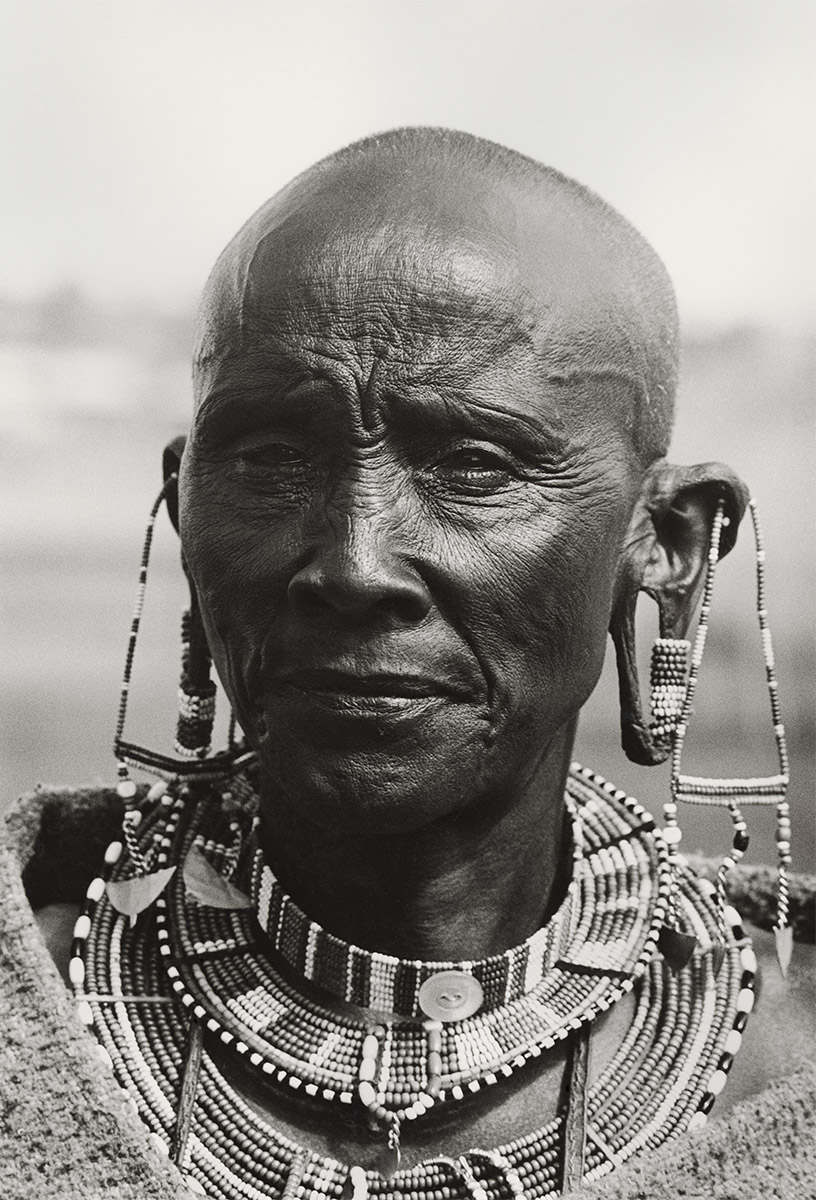
Kenya, 1976
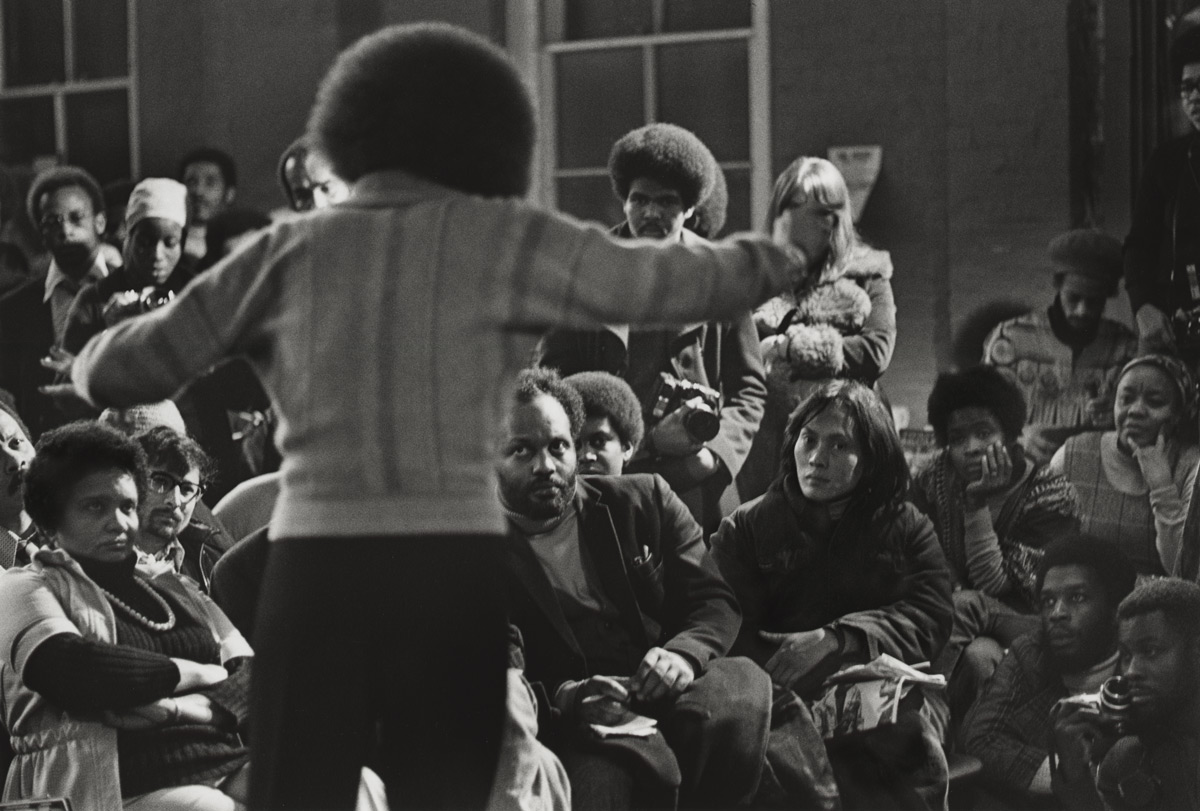
*Angela Davis at Keskidee Centre, London, 1975
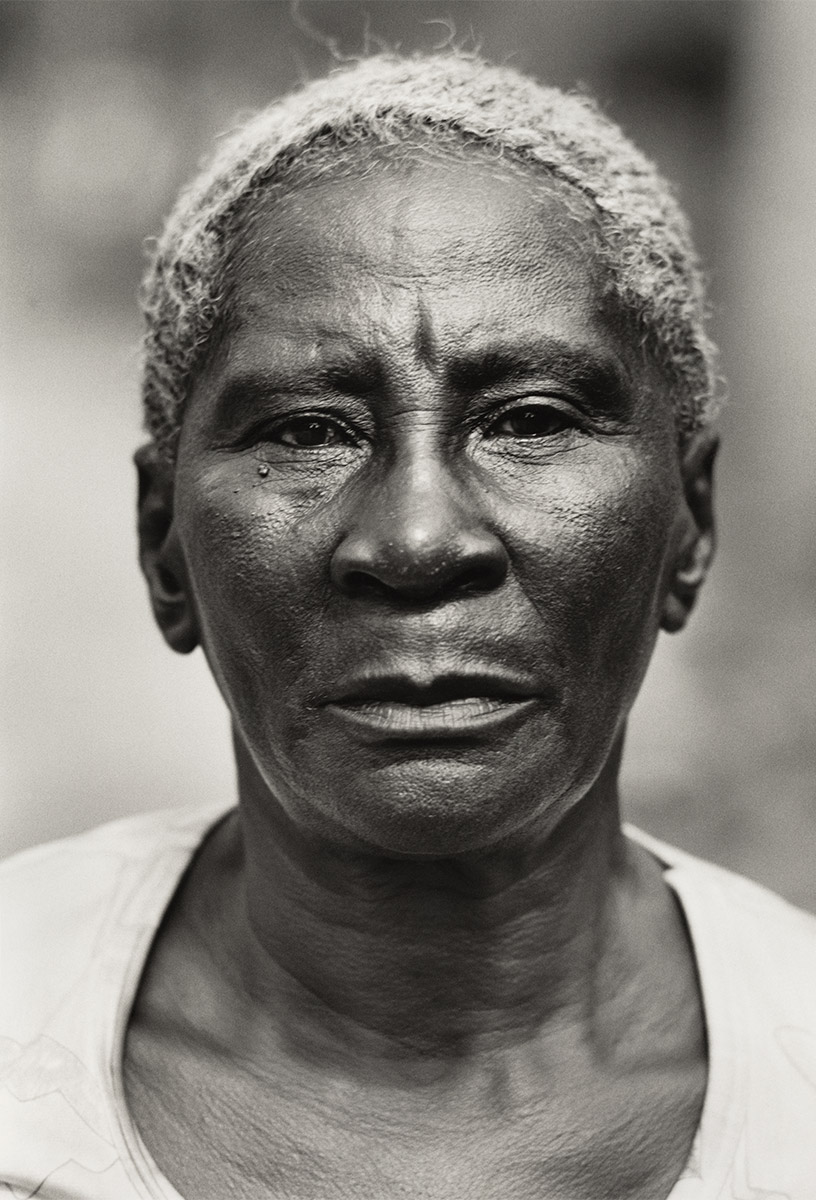
Jamaica, 1980
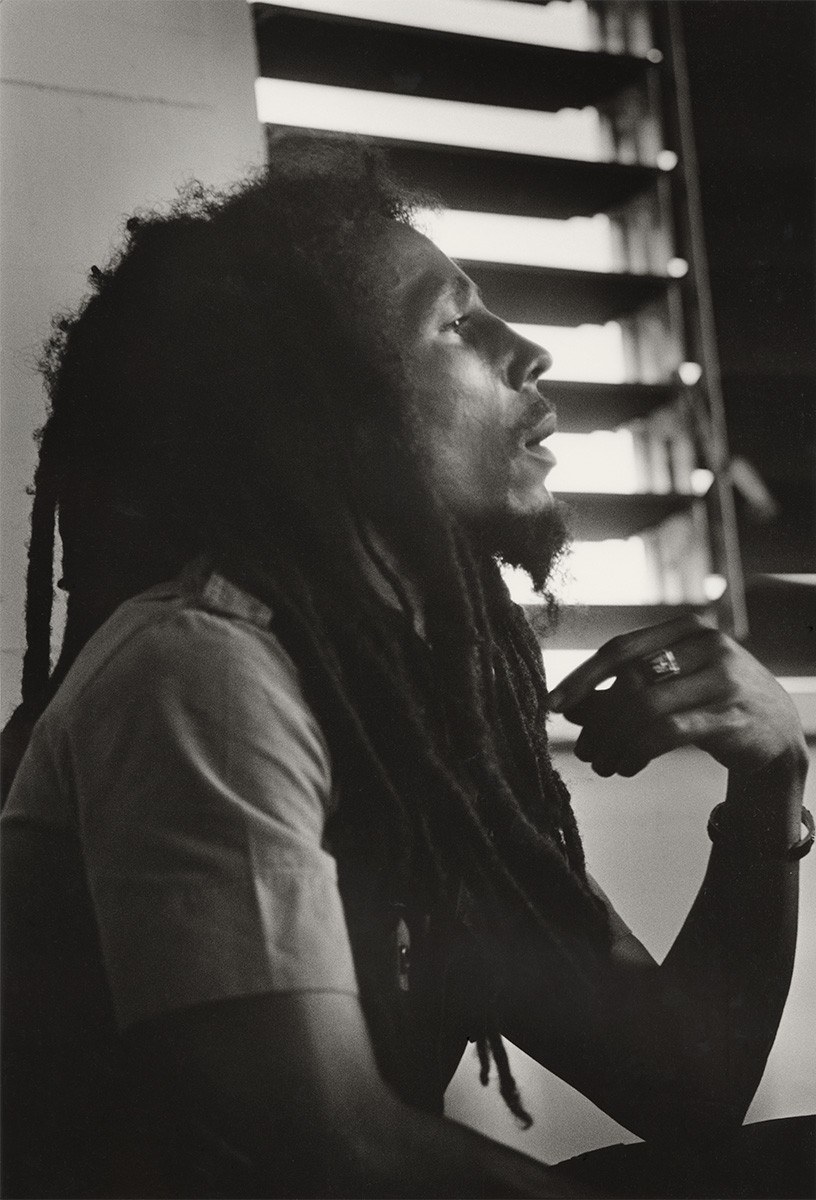
Bob Marley, Jamaica, c. 1960s
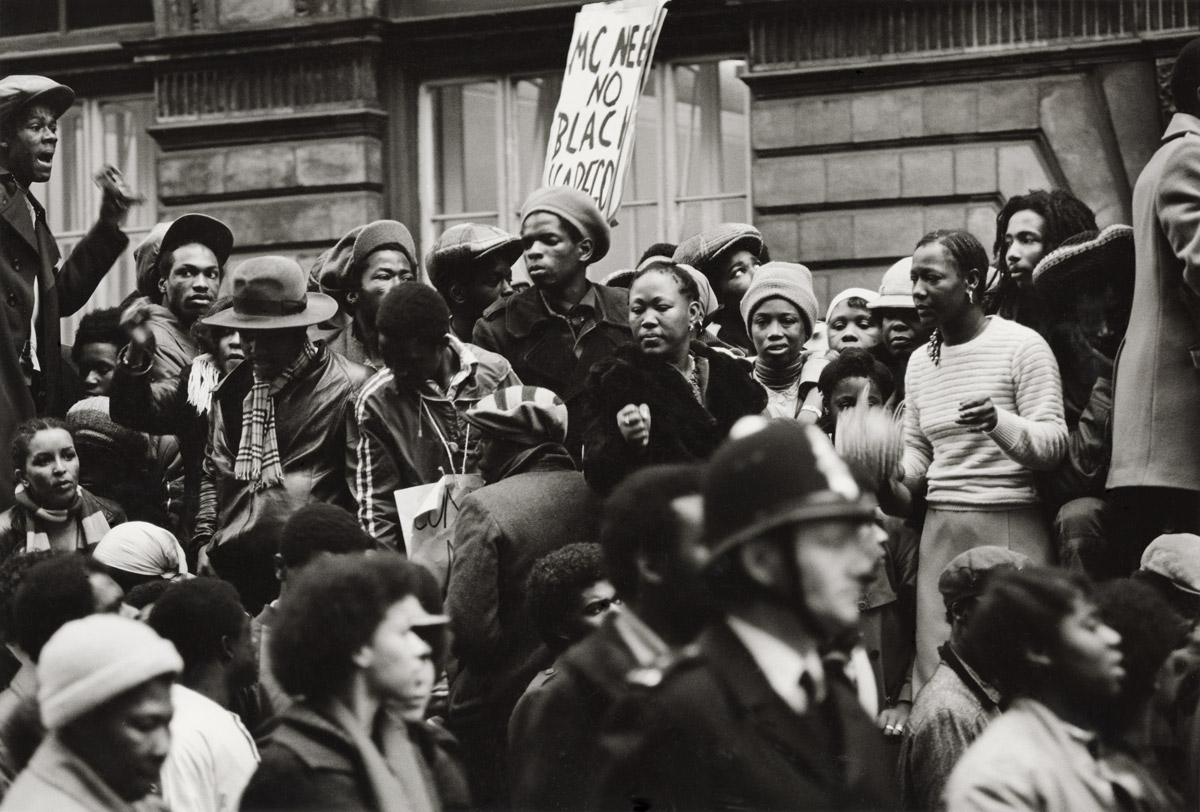
March for the children who died in the New Cross fire, London, 1981
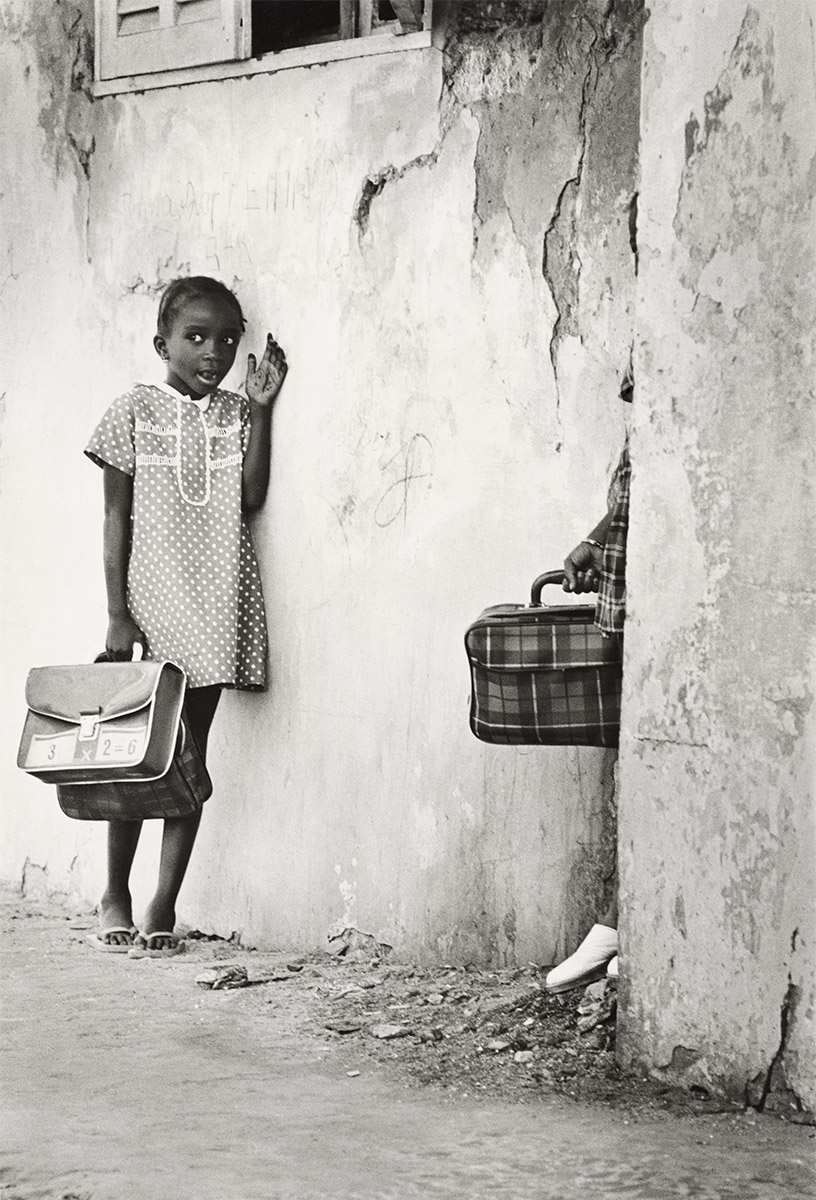
Senegal, 1976
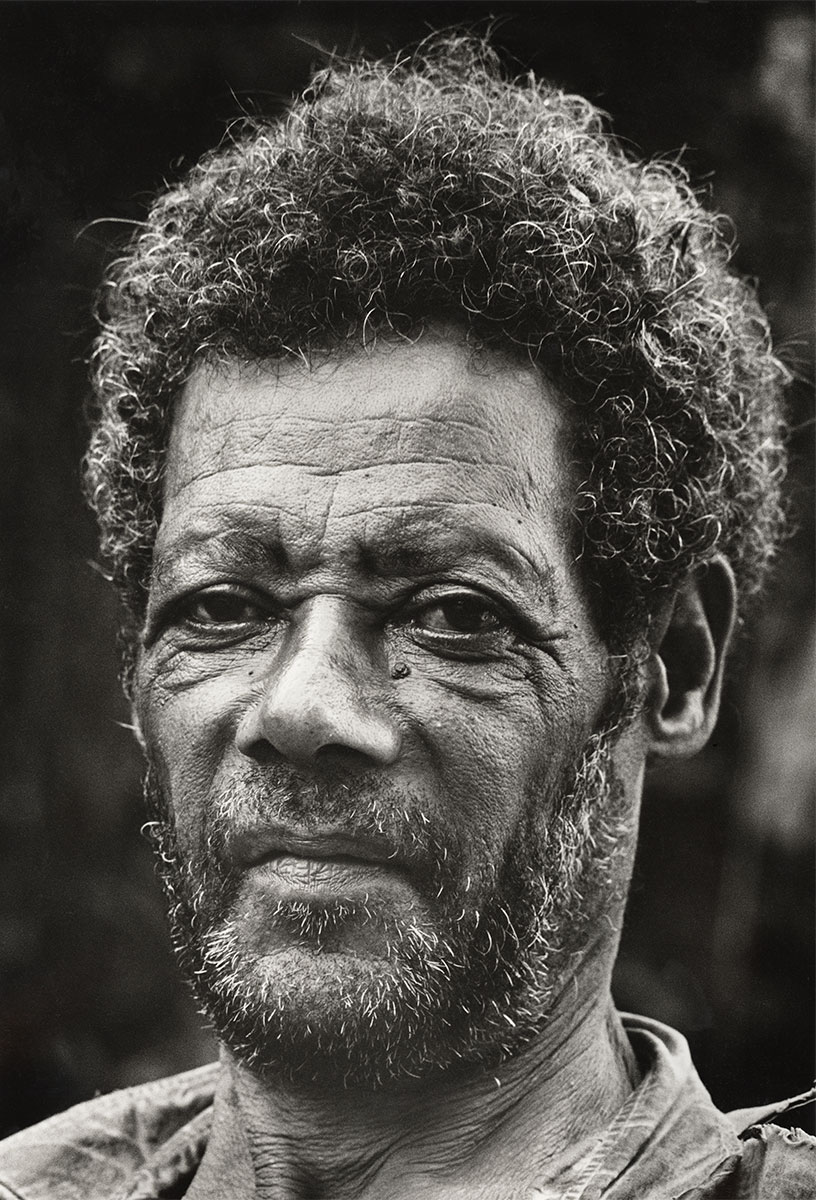
Jamaica, 1980
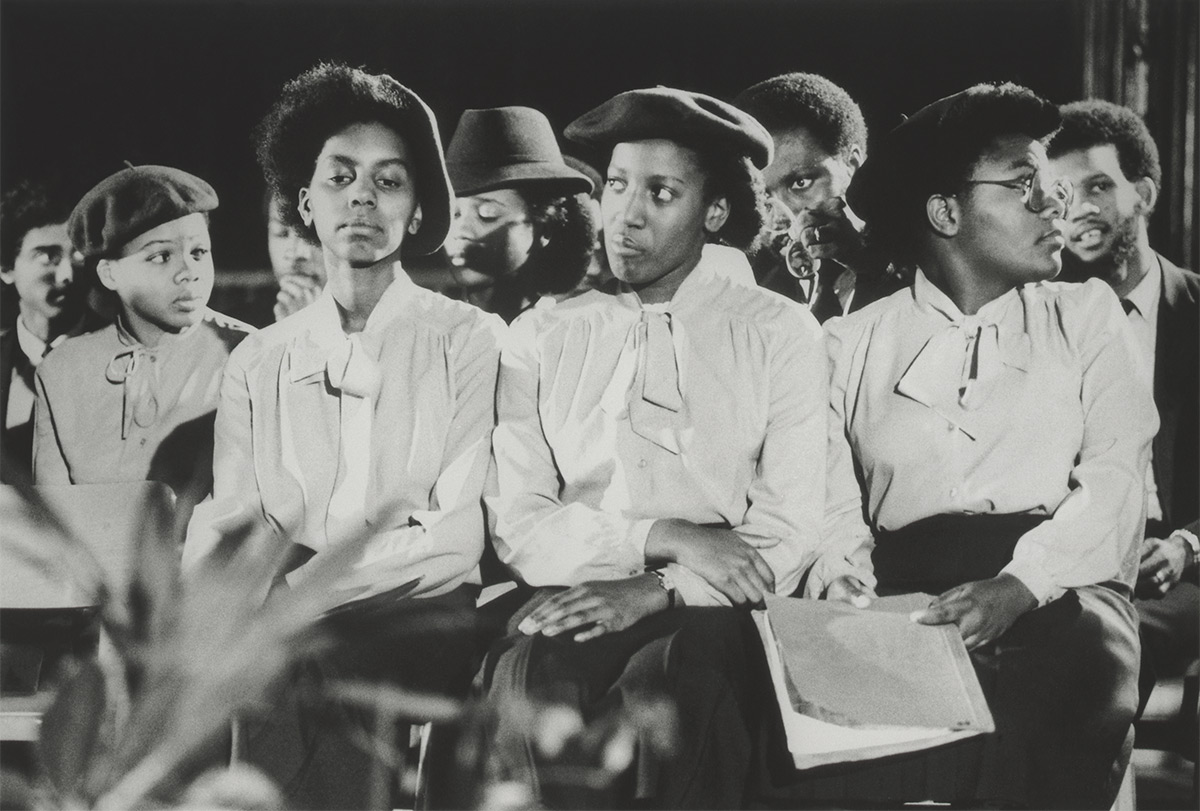
*Black Church, London, 1980
Francis’ seminal series The Black Triangle was developed through a “personal need to discover the dimensions of the experiences of black people…the triangle first came to me in thoughts of the slave trade route. I realised this is what it’s about now, the Civil Rights movement, the Rastafarian movement. There was no history of black photographers in England. I decided to make Black images, to capture how black people perform in a certain vernacular, with certain experiences and histories, with all its social and political implications”. He took photographs across Africa, the Caribbean, Britain and the United States, providing valuable insights that celebrate the resilience and survival of African diasporic cultures.
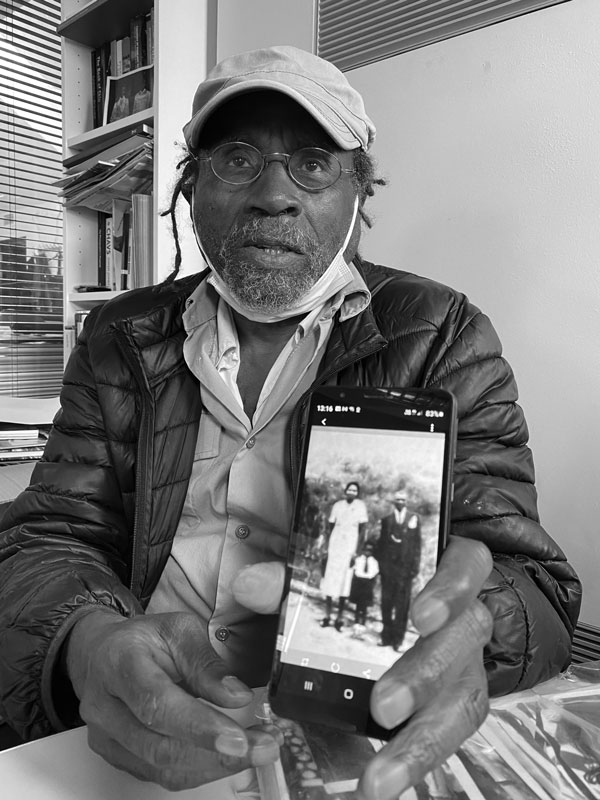
Armet Francis (born 1945, Jamaica) is best known for his social documentary, advertising, and fashion images. He began working in a commercial photographic studio as a teenager, going on to forge a career shooting commissions for holiday camps, and assignments for The Times Magazine, The Sunday Times, BBC and Channel 4 amongst others.
His early images offer a personal record of the world around him, capturing the essence of black British identity; in 1969 he began his now celebrated project The Black Triangle: People of the African Diaspora and Children of the Black Triangle.
Francis’s works have been shown in exhibitions including Armet Francis: Beyond the Black Triangle, Autograph (2024); Life Between Islands: Caribbean-British Art 1950s-Now, Tate Britain (2021); Get Up, Stand Up Now! Generations of Black Creative Pioneers, Somerset House (2019); In a Different Light: New Acquisitions, Autograph (2017); Staying Power: Photographs of Black British Experience 1950s-1990s, Black Cultural Archives and V&A (2015); Roots to Reckoning: The Photography of Armet Francis, Neil Kenlock and Charlie Phillips, Museum of London (2005); Reflections of the Black Experience: 10 Black Photographers, Brixton Art Gallery (1986); Armet Francis: The Black Triangle Series: People of the African Diaspora, The Photographers' Gallery (1983); Armet Francis, Commonwealth Institute (1974) amongst others.
His works are held in public collections including Autograph, British Library, Museum of London, Science Museum Group and the Victoria and Albert Museum amongst others.

Francis' critical intervention, giving names to the faces of those who journeyed on the historic Windrush voyage
View
Professor Mark Sealy discusses the photographs of Armet Francis
Read blog post | 3 min readCapturing the diverse community around the London borough of Lambeth in 1994
ViewFive moments reflected upon in Autograph's Beyond The Black Triangle exhibition
Read blog post | 5 min read Special thank you to Art360 Foundation, DACS, Metroland Cultures, Eileen Perrier, Clare Hewitt, Mark Waugh, Ellie Porter, Daniel Rudd, Franklyn Rodgers and Angel Price for making this possible
Banner image: Armet Francis, Carnival, Notting Hill, London [detail], c.1976. © the artist, collection of Autograph, London.
Images on page: All © the artist and collection of Autograph, London.
* Images purchased by Autograph with support from the National Lottery
Heritage Fund's Collecting Cultures Programme, 2016.
About the artist: Armet Francis with an image from his family archive, aged 5 with his grandparents in Jamaica. Photographed by Mark Sealy at Autograph, June 2022.
Join our newsletter and get the latest on Autograph’s exhibitions, events, open calls, digital content, books, prints and fundraising. Find out more.



Autograph is a space to see things differently. Since 1988, we have championed photography that explores issues of race, identity, representation, human rights and social justice, sharing how photographs reflect lived experiences and shape our understanding of ourselves and others.
Support our work

