


 0
0
0
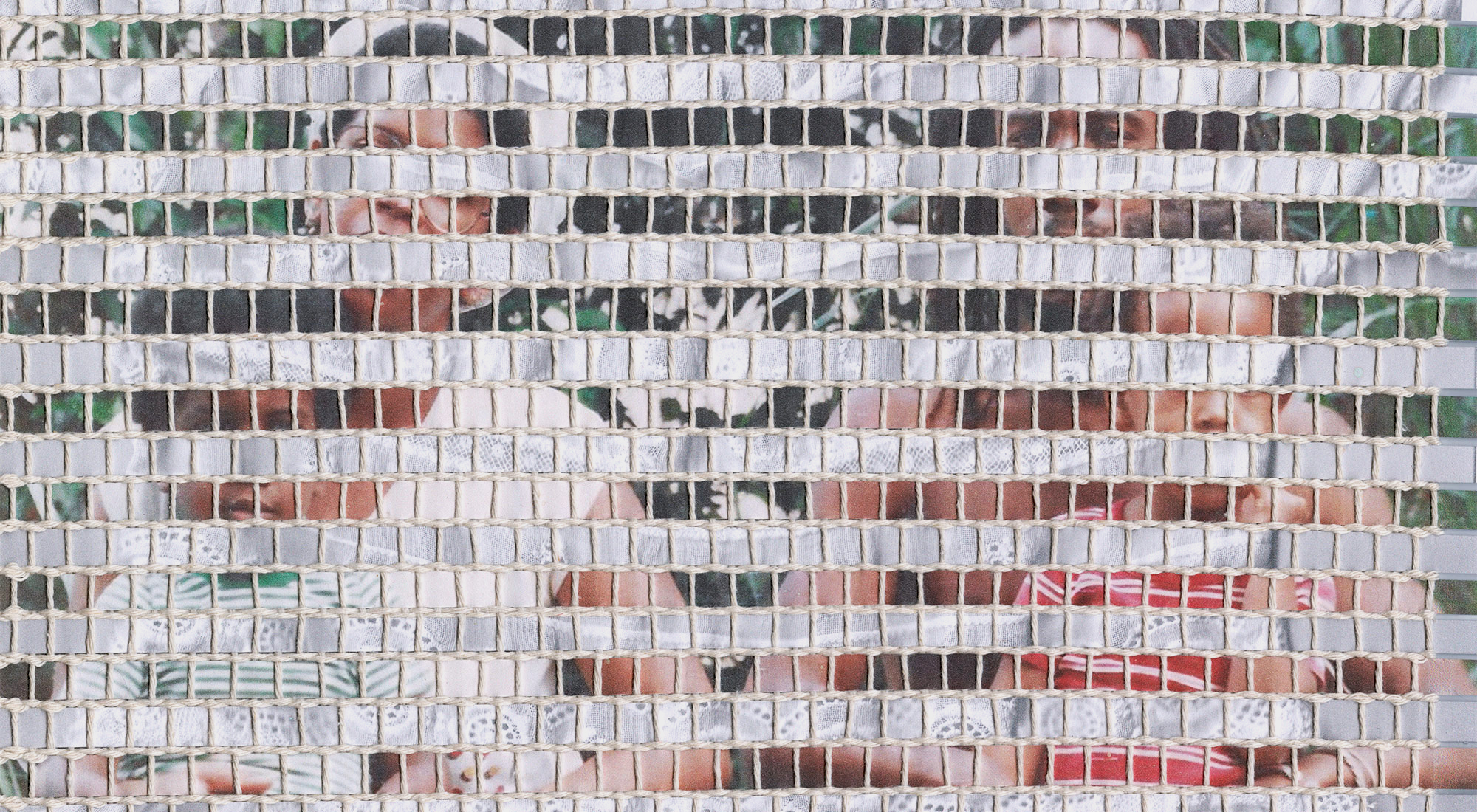

As I Weave is a new body of work by artist and teacher Aasha John, bringing together woven photographic pieces that explore family histories and connections shaped between Trinidad and London. Presented below with reflections from the artist, each work begins with family photographs and recorded conversations, translated through the slow, tactile process of weaving. Threads intersect, pull and resist, binding images that are often incomplete, fractured or partially obscured.
At the centre of the work is a process of deep listening. Conversations with family members form the foundation of each piece, with oral histories translated into material form. Weaving becomes a means of preservation, holding together fragments of shared and personal experience while resisting their loss over time. In this way, the works operate as physical embodiments of memory, where thread functions as both connection and structure.
Developed during Autograph’s Visible Practice Residency, the works reflect John’s ongoing enquiry into the relationship between artistic practice and teaching. Across her work, the roles of artist and teacher are not separate but in dialogue, shaping how knowledge is produced, shared and understood.
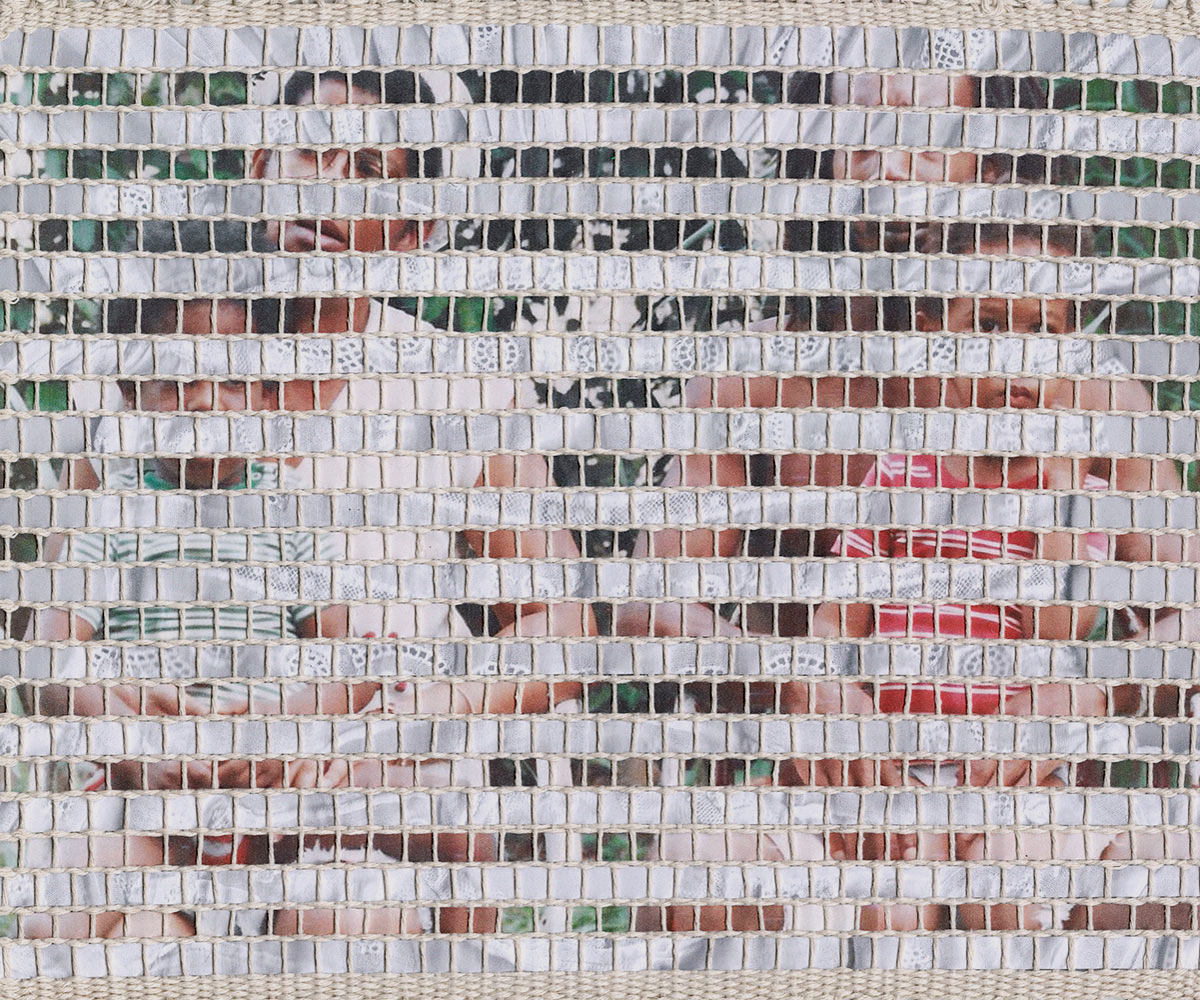
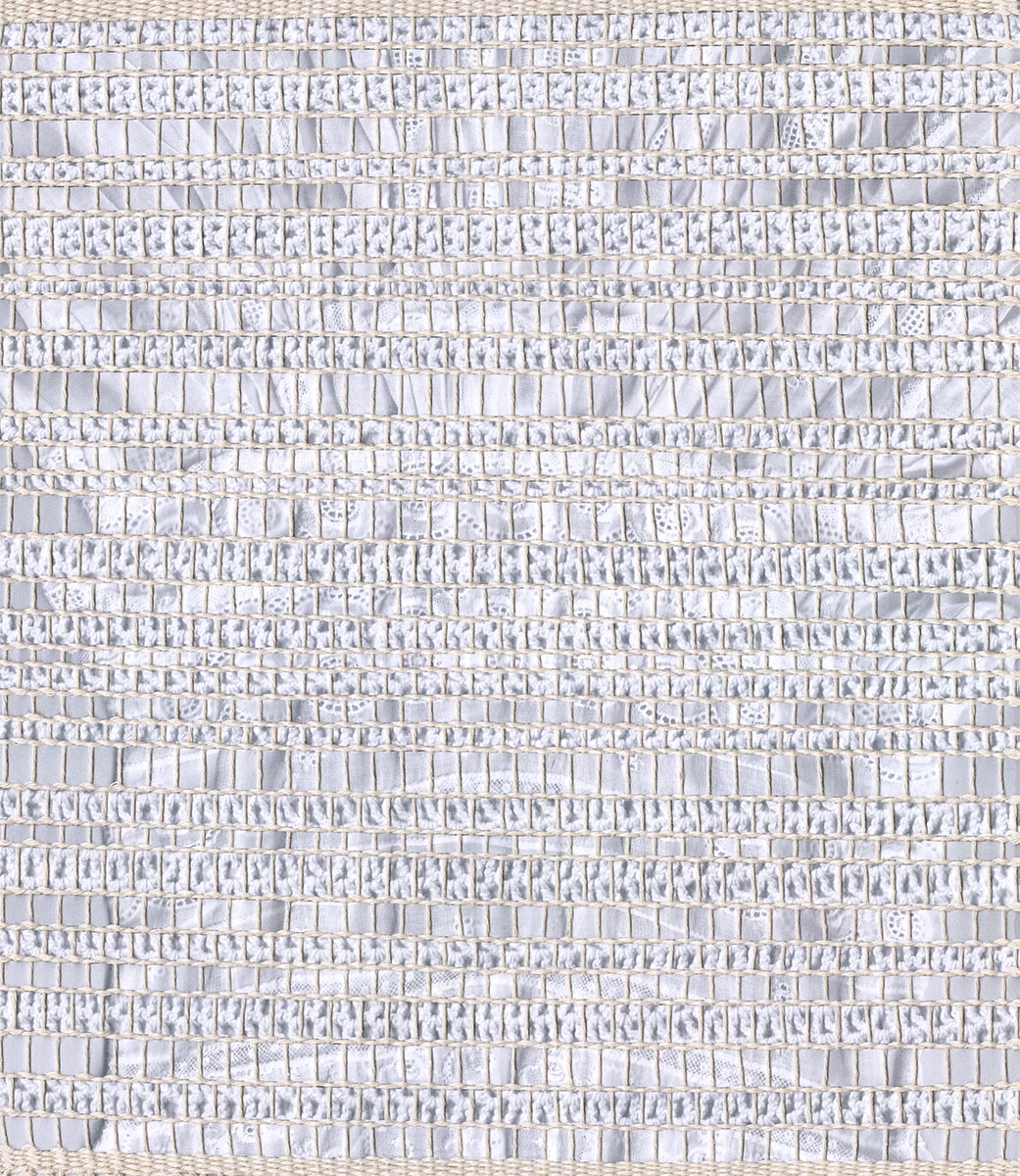
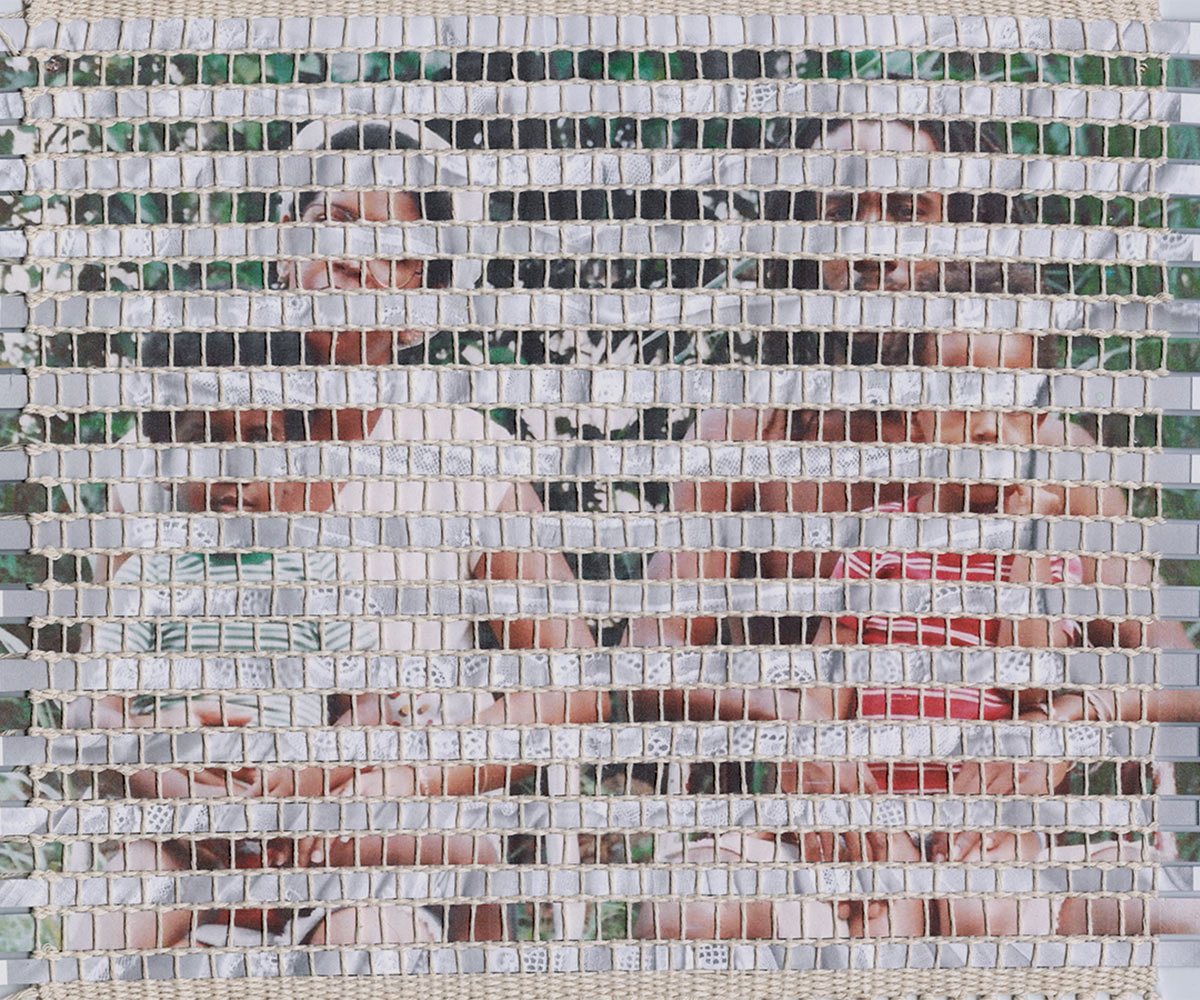
Each weaving was made in response to a conversation with a family member. I had visited my mother to collect some more photographs, fabric and clothing to use in the next iteration of my work. She began to tell me about the memories attached to each piece of clothing: the care put into preserving them; the deftness of my grandmother's fingers as she created each item from her wedding dress; each motif in the reticella lace carved carefully into the delicate fabric; the crochet links still holding together fond memories of childhood. Each individual piece is a story in itself, the friction of the threads holding each generation together and resisting being lost over time and distance. There is continuity in the fabric; we make dresses to mark occasions, we turn these dresses into something new for our family, we turn fabric into ritual and artefact. The memory becomes artefact through care.
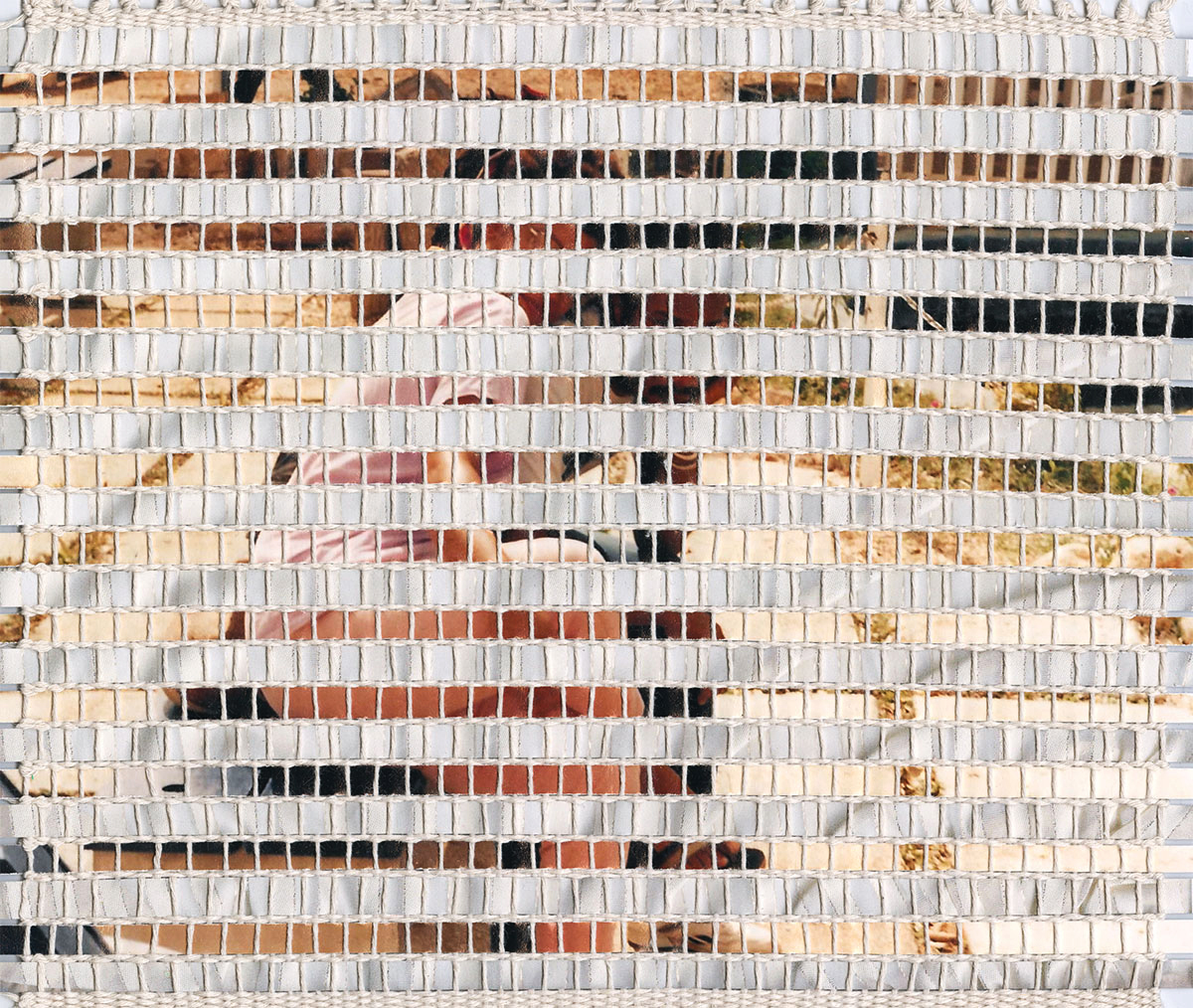
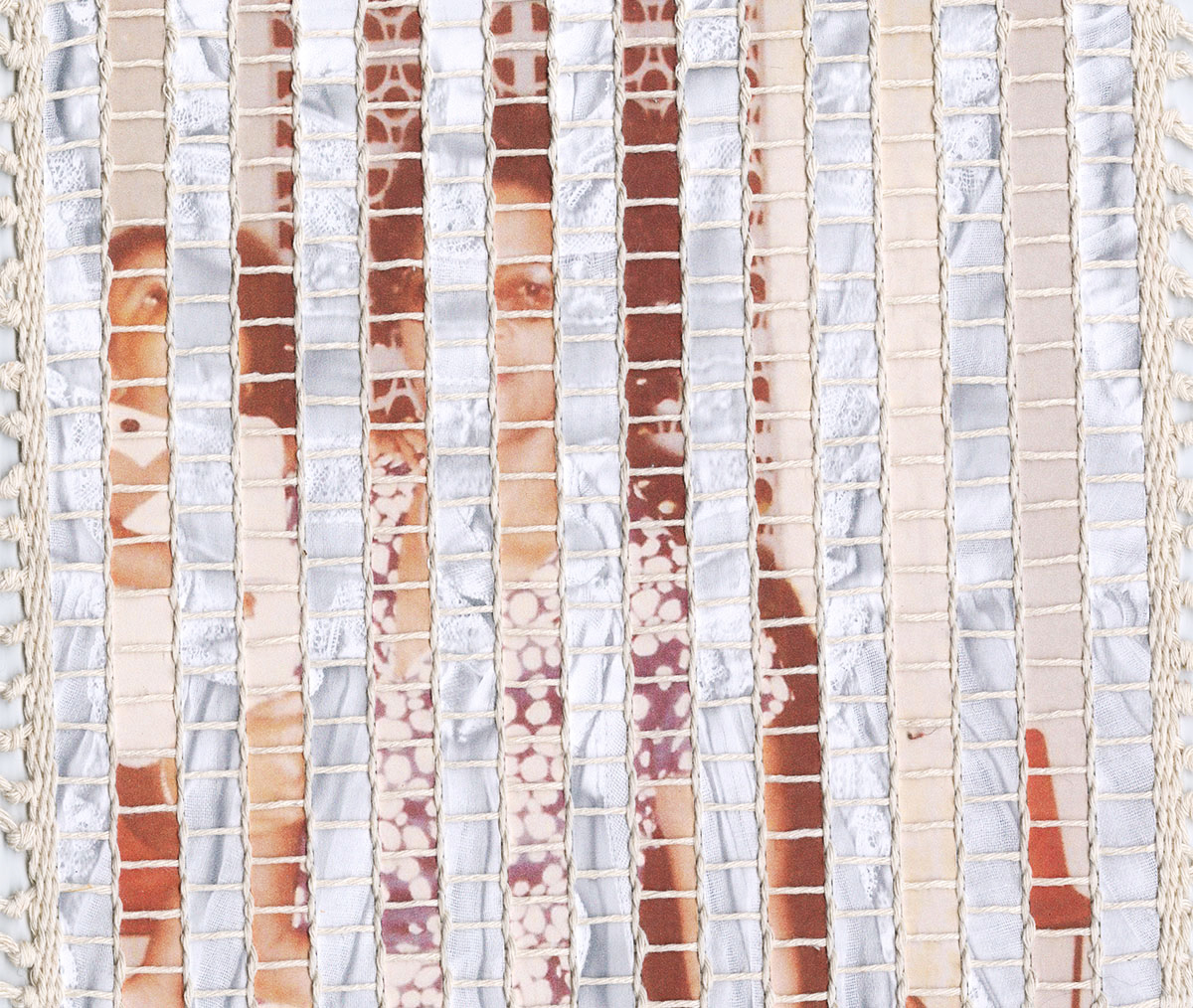
As the project progressed, pieces were constructed with more care, made to hold together tightly the memories in the photographs and the histories in the stories I had heard from my family. I listened back to the recordings of our conversations and selected the photographs that best represented them. I then spent some time with the images, thinking about what I wanted to show, what I wanted to hide, thinking of this process as another form of archival practice.
Each strip was measured and cut by hand and fed into the loom, carefully alternating between the paper and the yarn to create a strong form. I wanted these pieces to show how I had gathered these memories and held them tight, clasping them together to make something whole. These woven pieces, so complete yet still clearly made up of fragments, explore time, identity and memory across generations and across the diaspora.
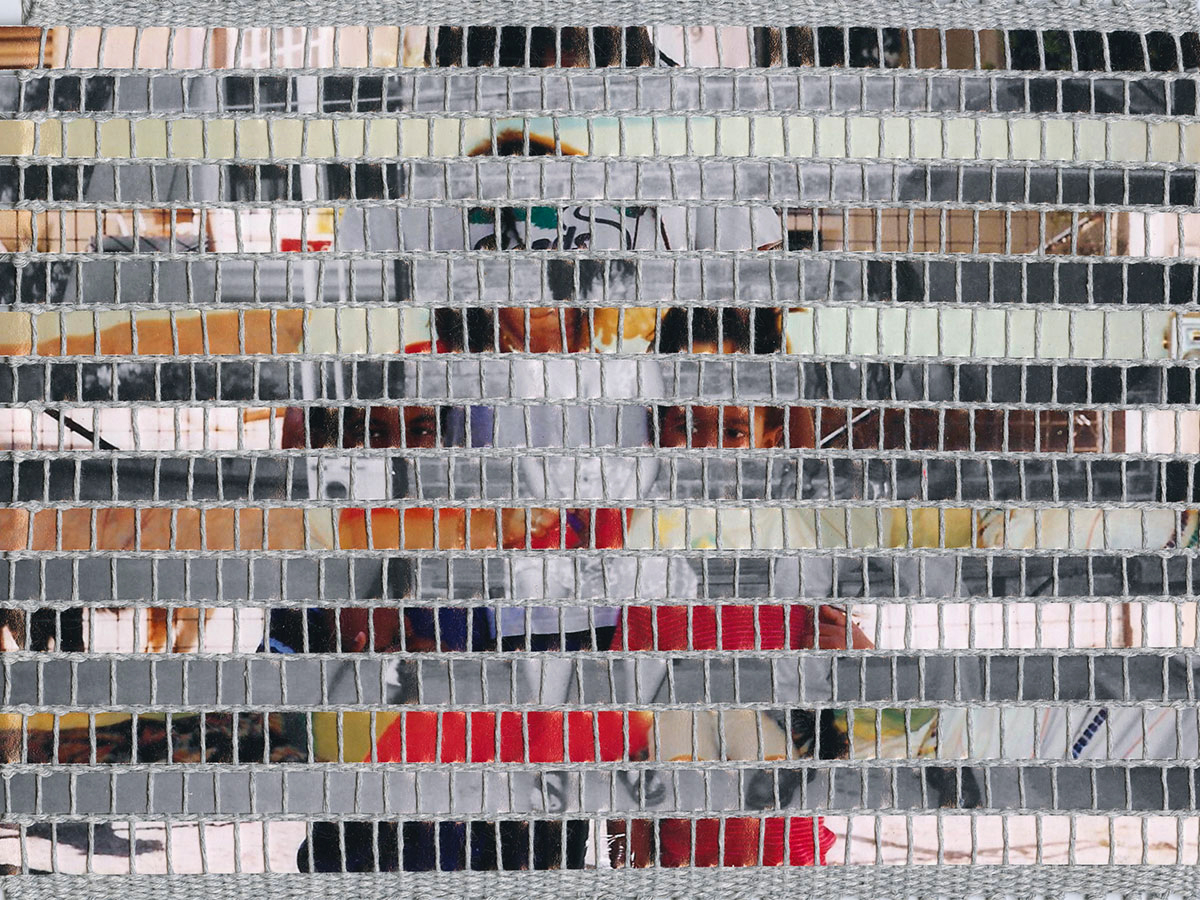
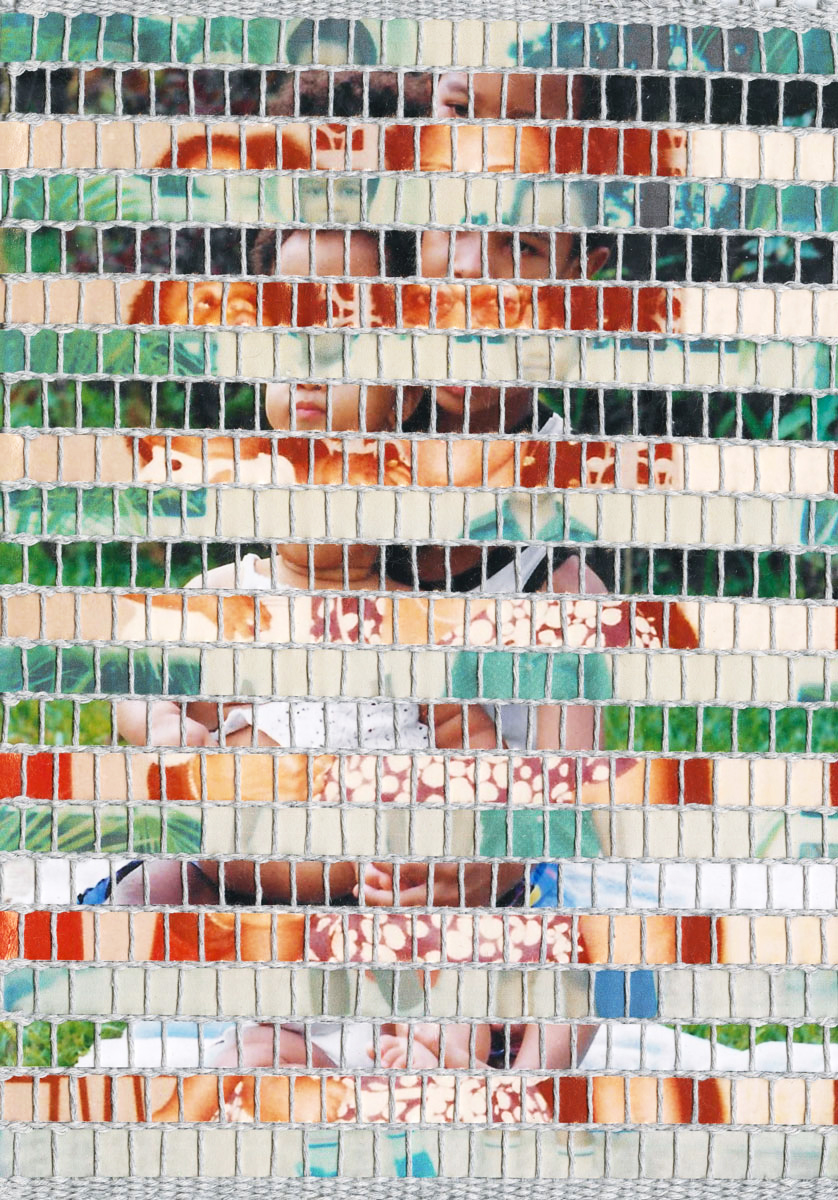
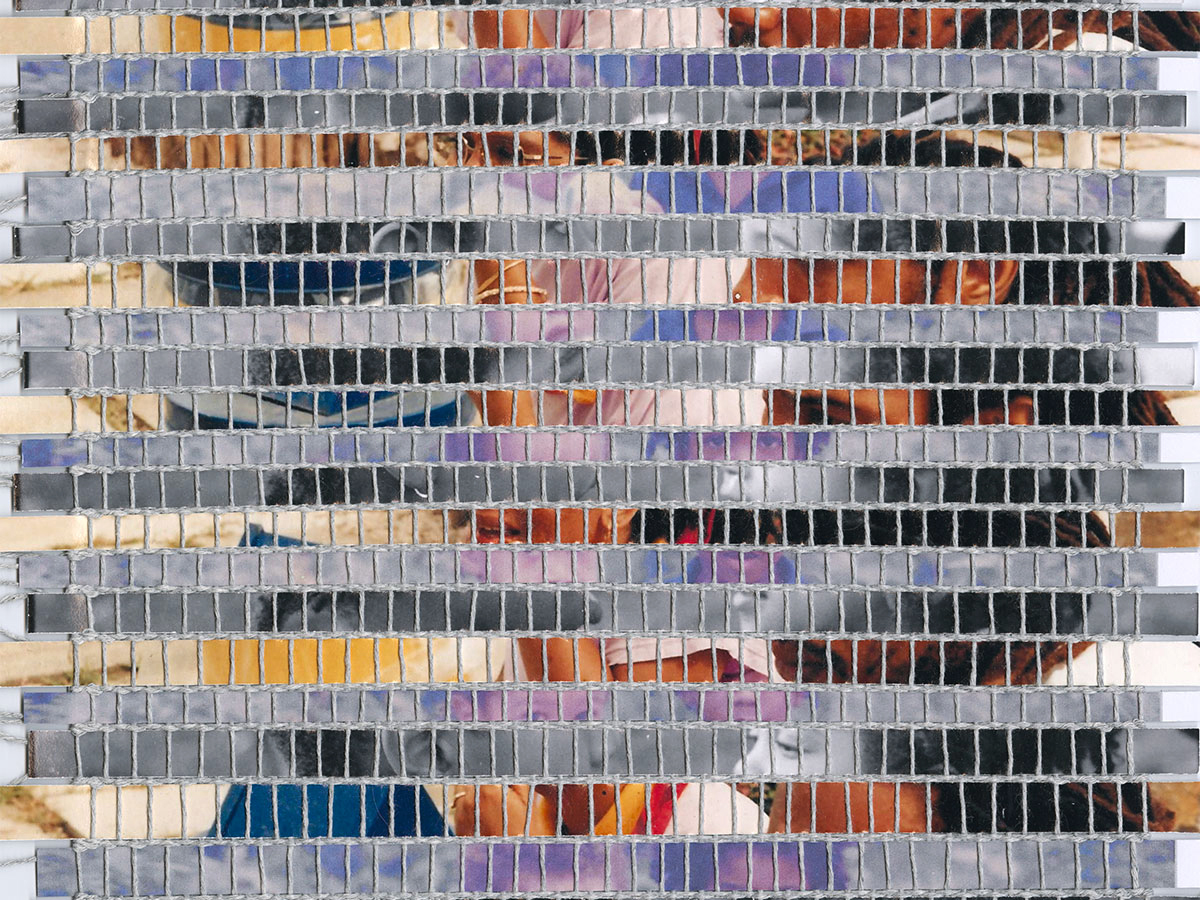
When I invited my brothers to participate, we spoke via video call. The physical disconnect, although at odds with what I have been exploring in my work, made the act of reflecting, speaking and listening less frightening. As with the conversation I had with my mother, I asked them to share any thoughts, feelings or memories associated with the photographs, and to reflect on the impact physical distance and time made on their connection to these memories. Their recollections varied, whether based on age difference, emotional connection or what they held close, but I listened as they spoke of the childhood they had in Trinidad, their life in London and how their understanding of themselves has changed over time.
We talked about the loss of our family home. We haven’t lived together all 3 of us under the same roof in over 20 years, but we all consider the day my mother moved into a retirement home as a moment of disconnection. Her home was where our family rituals took place, like birthdays and Christmas meals, it’s where my brothers’ families grew up and where we always returned for comfort.
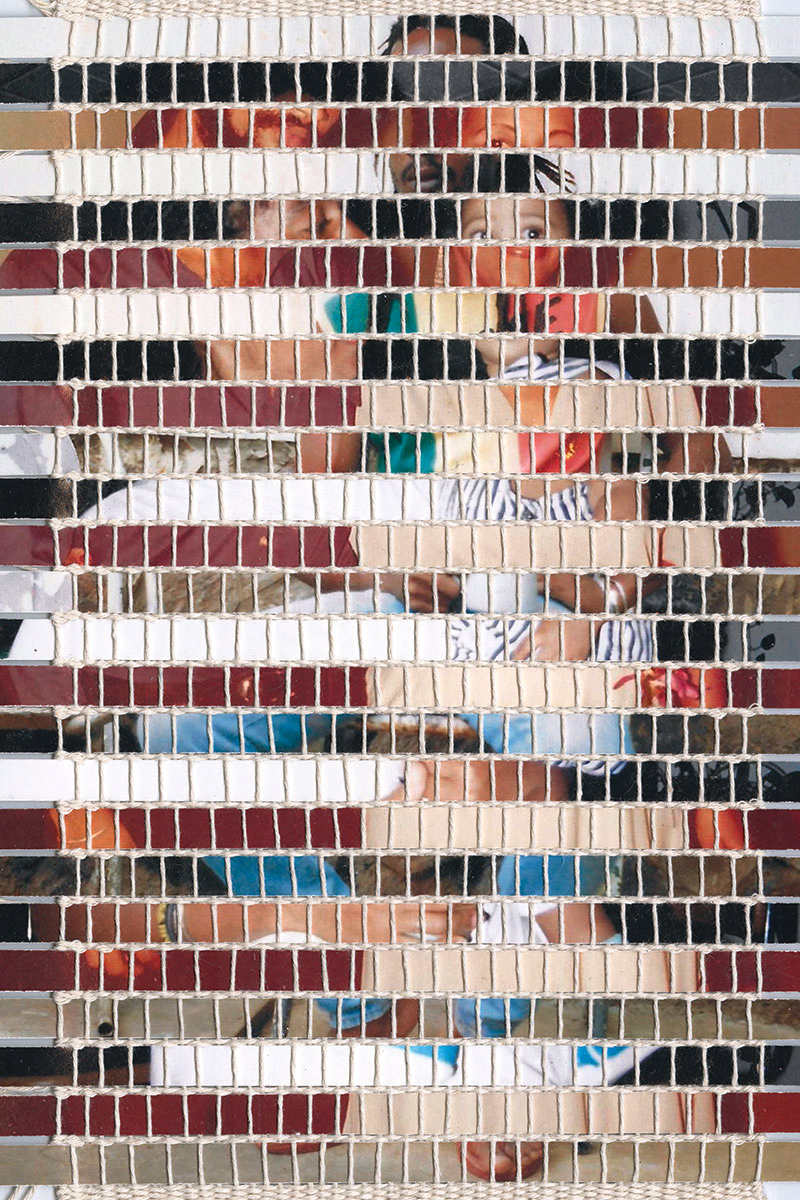
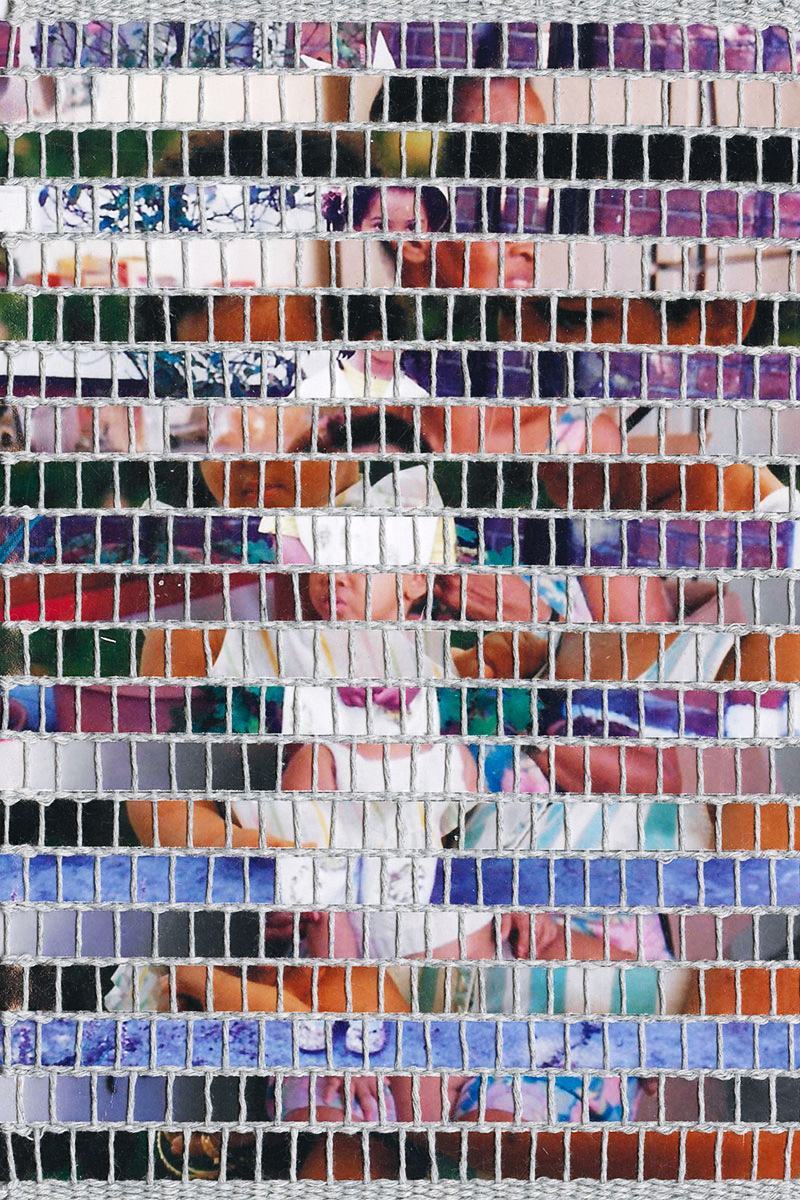
These pieces contain a lot of empty spaces created by the block colours of fabric and the neutral backgrounds that dominate some of the photographs used. These empty spaces are intentional. There were long pauses in the recording that I wanted to capture. These pauses spoke of physical and emotional distance, of contrasts in personal experience and of deliberate reflection before articulation.
This is not a conversation or artwork that reflects familiarity. I lived with my father the least of all my family, this is not to say that he was absent from my life but he came to London first to establish a home before we all moved here and he moved back to Trinidad when my brothers and I were older. In the photographs I shared with him, he spoke of his absences and the things that he missed from our lives. The thread in the weaving is taut, holding these moments close together and surrounding the pauses and empty space with memory. The warp thread preserves the history held within the weaving, resisting further separation.
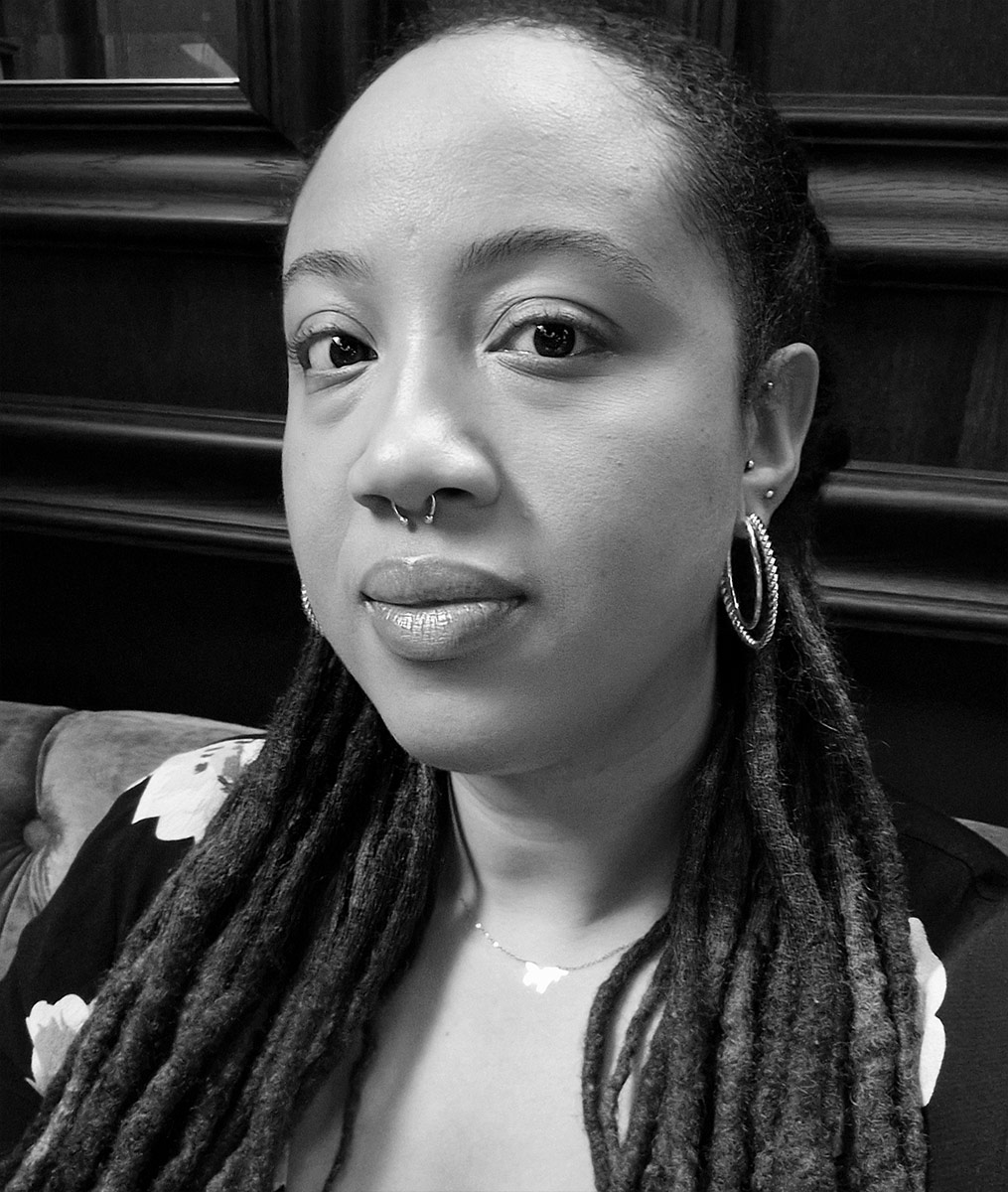
Aasha John (born 1989, Trinidad) is a London-based visual artist whose practice is rooted in storytelling and community. Exploring her relationship with places, often through collaborative or participatory practices, John invites the viewer to physically engage with her artwork and share her experiences, in turn contributing to the artwork themselves, often through printmaking or bookmarking.
She is interested in the artist's role as investigator and interpreter; probing their subject and conveying meaning in a way that engages the viewer and invites them to consider their relationship with the subject matter.
John studied Graphic Communication at University for the Creative Arts. She is Head of Art/Technology Faculty and Head of Art at Elizabeth Garrett Anderson School in Islington.
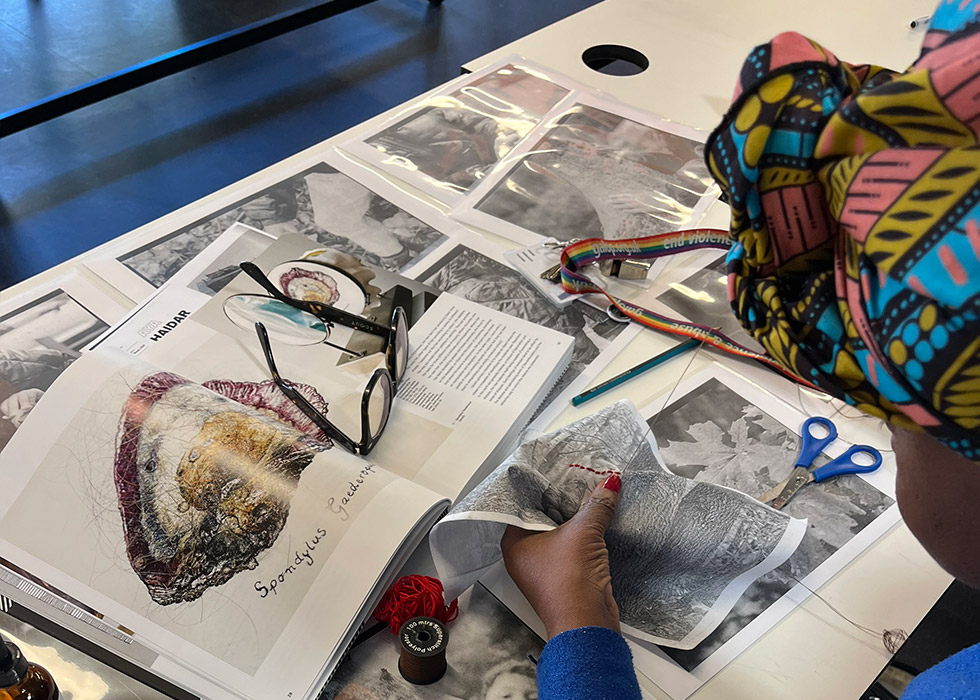
Supporting artist-teachers to develop a new body of work, within and beyond the school environment.
Find out more



Banner image: Aasha John, Jo Anne III [detail], 2026. © and courtesy the artist.
Images on page all © and courtesy the artist.
About the artist: Courtesy Aasha John.
Project image: Courtesy Autograph, London.
Join our newsletter and get the latest on Autograph’s exhibitions, events, open calls, digital content, books, prints and fundraising. Find out more.



Autograph is a space to see things differently. Since 1988, we have championed photography that explores issues of race, identity, representation, human rights and social justice, sharing how photographs reflect lived experiences and shape our understanding of ourselves and others.
Support our work

