


 0
0
0

On weaving as a form of connection and resistance
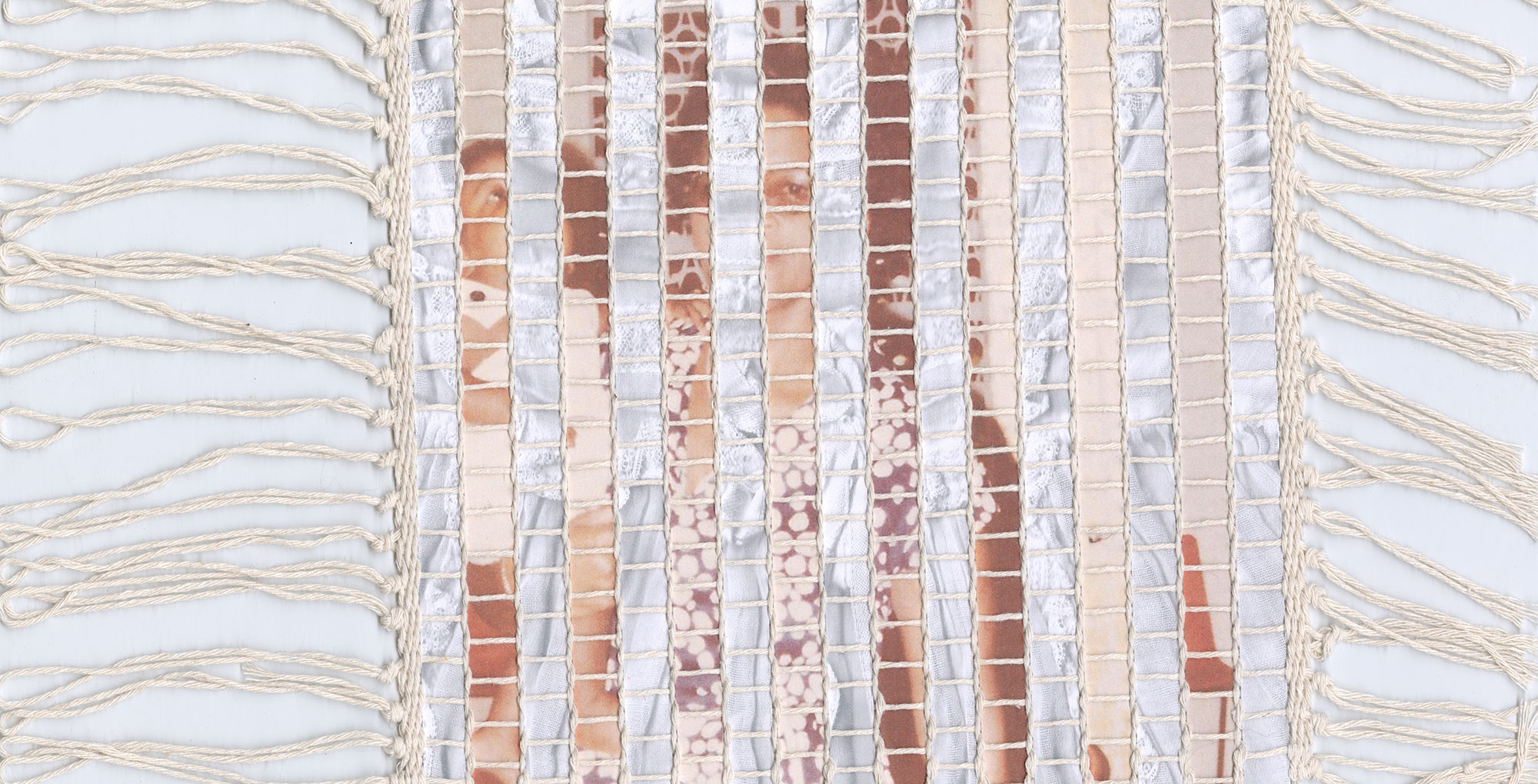
Aasha John is a London-based artist and educator whose practice explores memory, migration and storytelling through processes of making. Developed during her participation in the Visible Practice Residency, John’s new body of work, As I Weave, draws on family archives, recorded conversations and woven photographs to consider how histories are held, fragmented and passed across generations.
Alongside her role as Head of Art at Elizabeth Garrett Anderson School, London, John’s residency explored the relationship between artistic practice and teaching, positioning the classroom, studio and home as interconnected spaces of learning and exchange. In this conversation with Autograph’s Engagement Curator, Jolie Hockings, John reflects on weaving as a form of connection and resistance, deep listening and making through memory and community.
Aasha John’s exhibition, As I Weave, will be on display at Autograph from 3 – 6 June 2026.
Jolie Hockings (JH): Your work is deeply concerned with what gets carried across generations – memories, gestures, fabrics and stories. What does weaving allow you to hold onto?
Aasha John (AJ): I think the act of weaving is a physical embodiment of my exploration of generational stories and oral histories. As part of my creative work I’ve been engaging in discussions with friends and family members, and thinking about the idea of memory as something that is quite transient. Memories can change from conversation to conversation, even with the same person. And I think that the making of memory, the weaving of it and the holding together of these things with the friction of the thread and the paper is a representation of those conversations.
JH: We've spoken about deep listening a lot, as something you’ve engaged in with both family members and students at your school. What have you learned through this listening and how have these conversations shaped your understanding of your own history and identity?
AJ: Although the imagery in my woven works is from my family archive, I’m not present in most of the photographs, or I’m too young to remember the occasion. So in some ways, I’m encountering them almost as an outsider. When I started these conversations and presented the photographs I’d found to my family, I tried to do so without imposing an initial interpretation of what I thought they represented. I might have selected them because there was something familiar, unfamiliar or captivating in them, but the deep, intentional listening came through seeking to understand the stories behind the images - the memories and experiences connected to them, and the emotional relationship the person in the photograph had to that moment.
The act of listening itself became a way of encountering those stories, without asking questions that were leading. Over time, this practice evolved further. During longer conversations, I was actually asking very few questions. I would simply show a photograph and ask, “Can you tell me something about this?” It wasn’t about having a prepared set of questions, but about creating a space and inviting someone to share a memory or experience, to ask what the image reminded them of, and sometimes how it connected to their lives today.
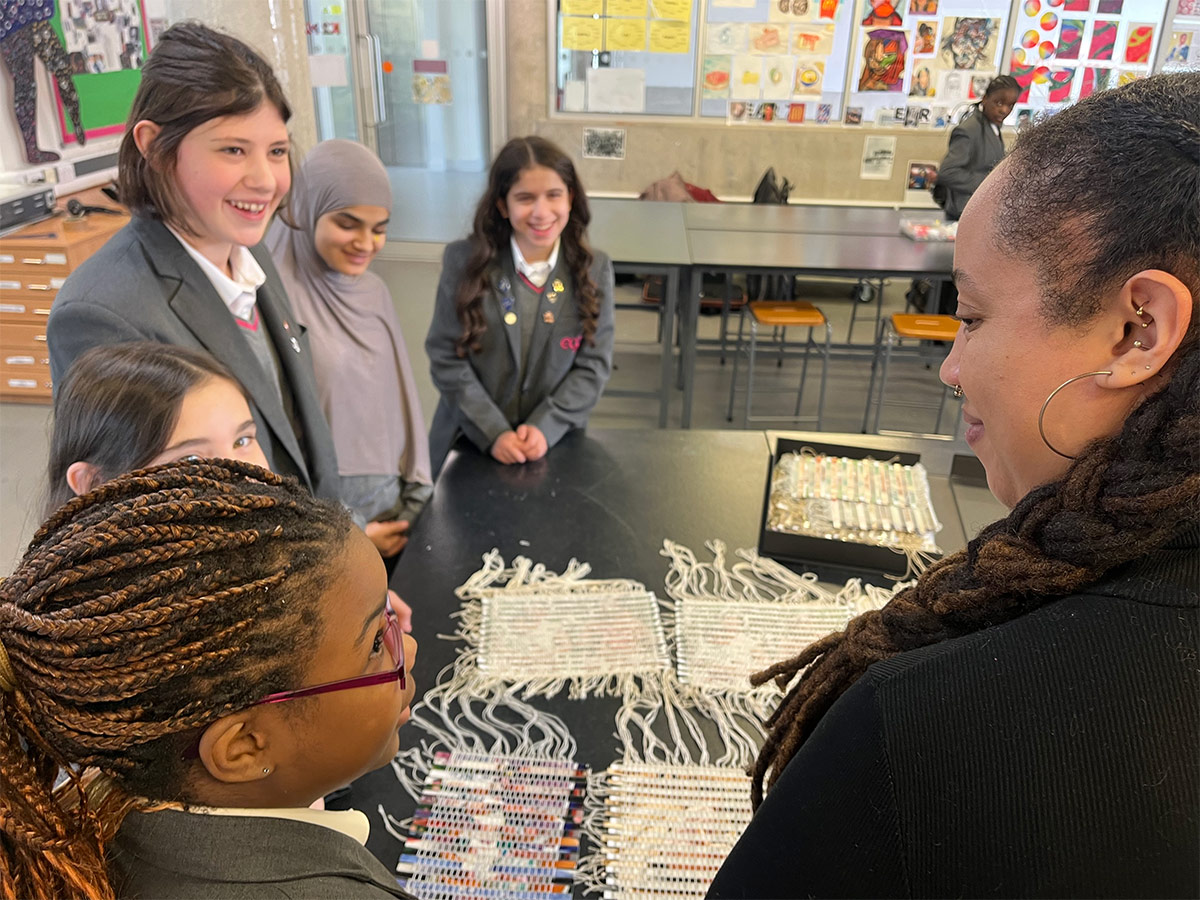
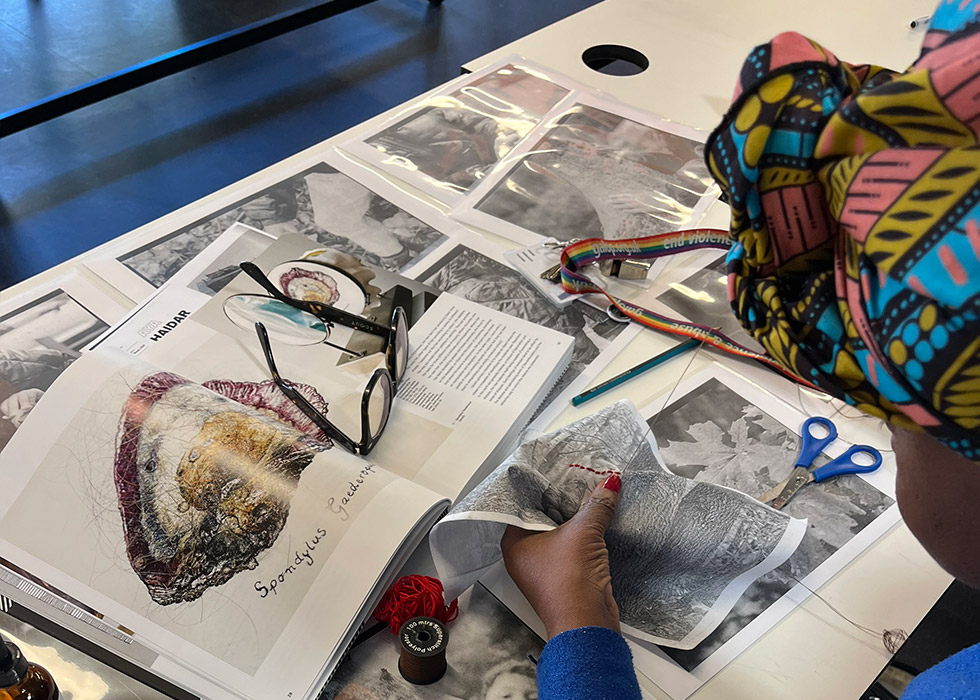
John sharing her works with students, 2026
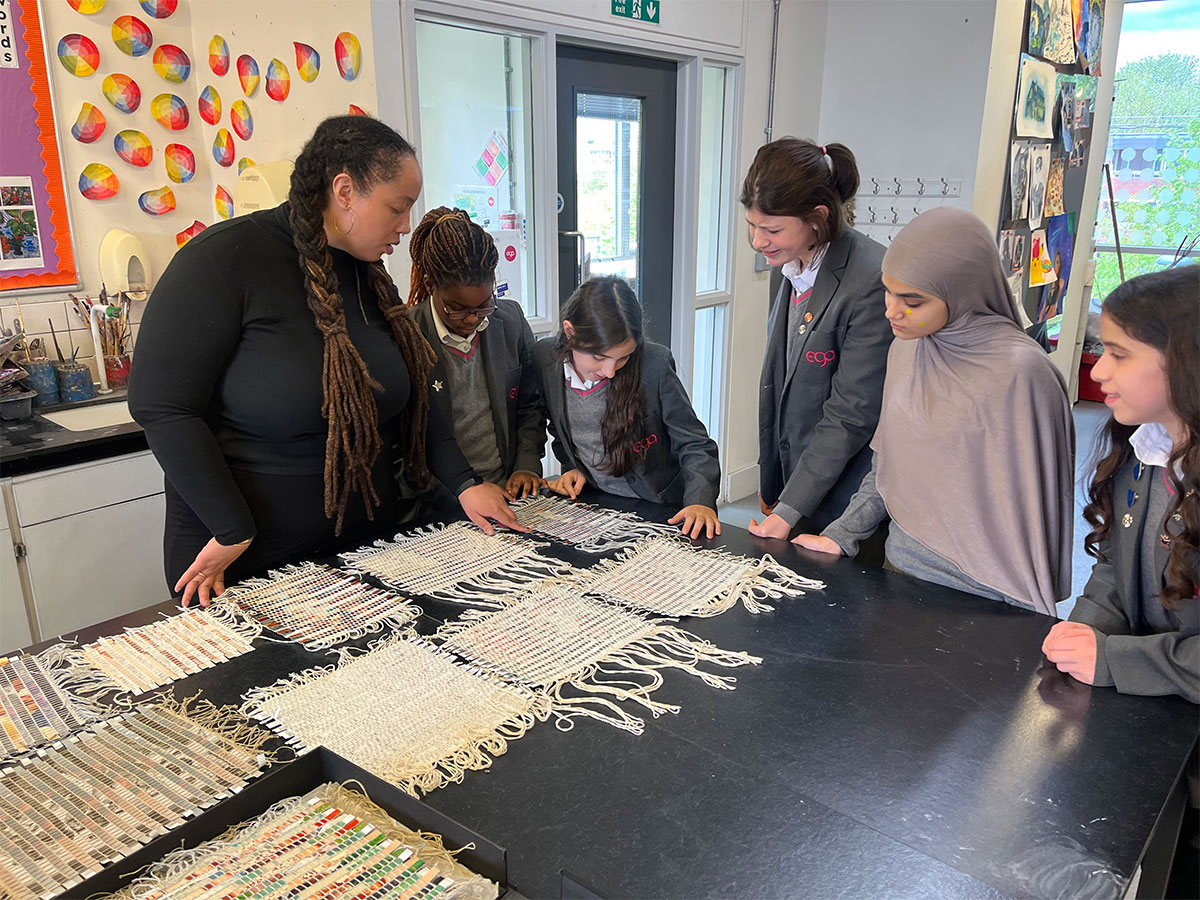
John sharing her works with students, 2026
JH: So how has this open-endedness and empathy fed into your teaching practice? In a classroom environment where everyone arrives with their own histories, knowledge and lived experiences, has it helped you to create a space for sharing without leading students towards a specific response?
AJ: Absolutely. I think it's about facilitating, isn't it? It's not about trying to lead a discussion to a certain point. I’m trying to create a space in which I can introduce a project or a theme through discussions with my students in such a way that those conversations become part of – and are understood as part of – the process of making. These conversations are just as important to the process of making as the physical act of making. So facilitation is important, especially when working with young people because they often have ideas, but can struggle to articulate them. So it helps tease things out.
JH: Alongside this deep listening and conversation, there are moments in the work where silence and absence feel just as important as what is spoken or visible. How do you approach working with memories that are fragmented, incomplete or difficult to recover?
AJ: The silences and gaps in the work are important, because the gaps could denote the process of recalling something or it could be that you’re confronting something quite difficult, or showing distance in time or space. I think the gaps are as important as the speaking, because it gives a sense of humanity. It's not about presenting someone’s complete recollection, but the complex act of remembering. Some of the weavings have got more negative space than others which speak to the pauses or the gaps in conversation, in memory or in confronting distance in relationships. And that's how the weaving works well, because it's not just about gathering together the things that are there, but also those that aren't. All these things have to exist together for it to be a whole.
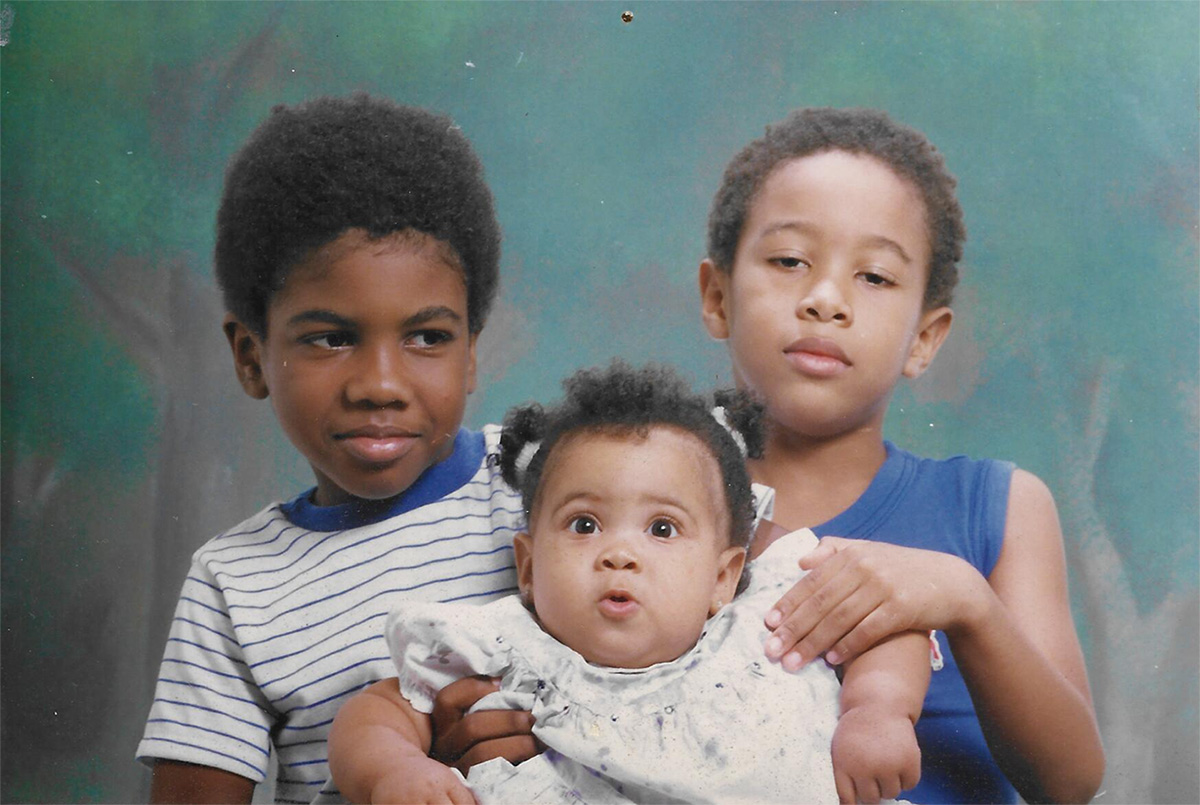
Image from John's family archive, 1989
JH: Your practice moves between the classroom, the studio and the home. How do these different spaces shape one another in your work as both an artist and a teacher?
AJ: I don't see myself as a separate person in each of those spaces - they're all the same me. But I think the studio is definitely an enabling space that is just for my own learning – it’s a space to get things wrong and feel creatively frustrated. In the classroom there is more responsibility and more pressure. Time exists more in the classroom than in other spaces. It's very segmented and you’re always working towards the end of a lesson, a day or a deadline. Whereas I think working at home is the combination of the studio and classroom experiences – it’s more of a vulnerable space for me than the others.
JH: The Visible Practice Residency is rooted in the idea that teaching and artistic practice can inform one another. What has this experience revealed to you about the relationship between making, learning and community?
AJ: I think community has always been an important part of my practice, and that obviously lends itself well to working as a teacher within a school community. Before this, I think I often understood community-building as something quite large-scale, but through making this work, especially through the Crafting Resistance Club and working with a small group of students, I’ve started to think about it differently. I’ve begun to value the smaller acts of community-building: creating stronger links between people through collaboration and making together.
As a teacher, community-building is always part of what you do. You create an environment in your classroom, you create a shared space, and in some ways that happens by necessity because the classroom has to function as a community. What felt different about the Club was that the students chose to be there. It became their space, and they were able to lead the narrative and the direction of the project. The longer they spent together and the better they got to know one other, the more confident they became, and the more it felt like a space in which they could not only make work, but also make decisions together. It’s made me think about community as both a big and a small thing, and about the value in both of those.
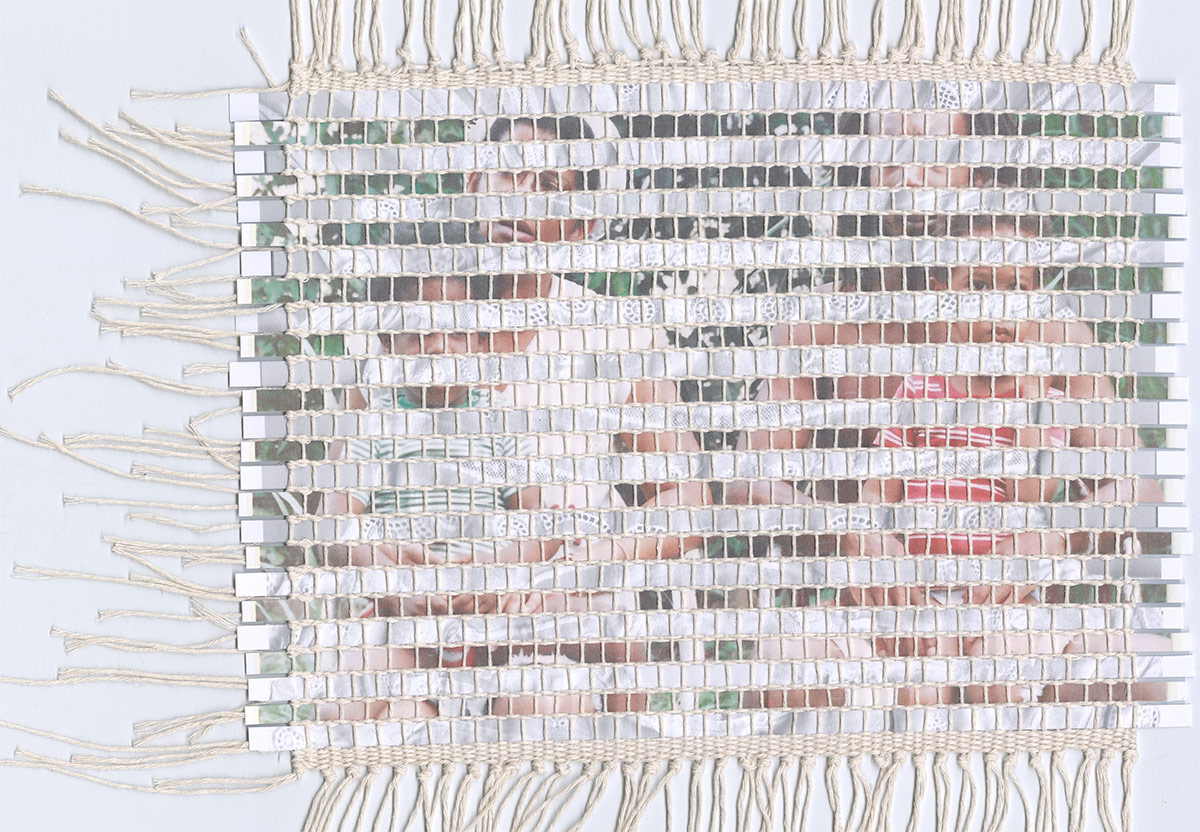
Aasha John, Jo Anne II, 2026
JH: Bringing together students from different year groups over a sustained period through the Crafting Resistance Club seems to have created a real sense of continuity and connection between them. What have you witnessed through fostering that group and watching that community develop?
AJ: While all the members of the club are individuals, working on separate and personal projects, there is very much an approach of working together, noticing and helping each other. Beyond the work they’ve produced, it’s been really nice to see them build those connections. That’s happened through making together but also through their own investment in it. They’ve invested their time, energy and care into what they’re doing, and it’s become important to them.
It was also really special to see the impact of that space through things like the craft fair at school, their visit to Autograph, and through feedback from staff about students they hadn’t seen work this confidently before. Beyond making interesting, exciting and challenging artwork, it’s been amazing to watch them grow not only as young artists, but also as people engaging confidently with ideas around social action and social justice.
JH: Your students encounter you not only as a teacher, but as someone actively experimenting, questioning and making. What do you hope young people learn from witnessing artistic processes rather than polished outcomes?
AJ: I’ve been reflecting on the fact that often we only show students finished works and I think that can sometimes hinder process because students only see the final artwork of others, not all the thinking, drafts, experimentation and changes that led up to it. It can make the process of producing art feel almost impossible, like you’re expected to jump straight from a starting point to a finished work.
Through sharing my work with them and talking openly about the process, I hope they begin to understand that making artwork takes time. This residency has taken place over an extended period and students would ask, “Are you still working on that piece?” and I think it’s important for them to see the time, thinking and changing of ideas involved. Those are all things they already do in their own projects, but seeing it connected to a real-world outcome helps develop their understanding of what it means to be someone who creates art.
It’s also been reflective for me as a teacher. Through this residency I’ve been thinking about archiving and writing about my work, and realised that these are exactly the things I ask my students to do. It’s made me think more carefully about what I’m asking of them and whether I’m doing the same things for myself. There’s an empathy that comes from that, from understanding the work involved from both sides.
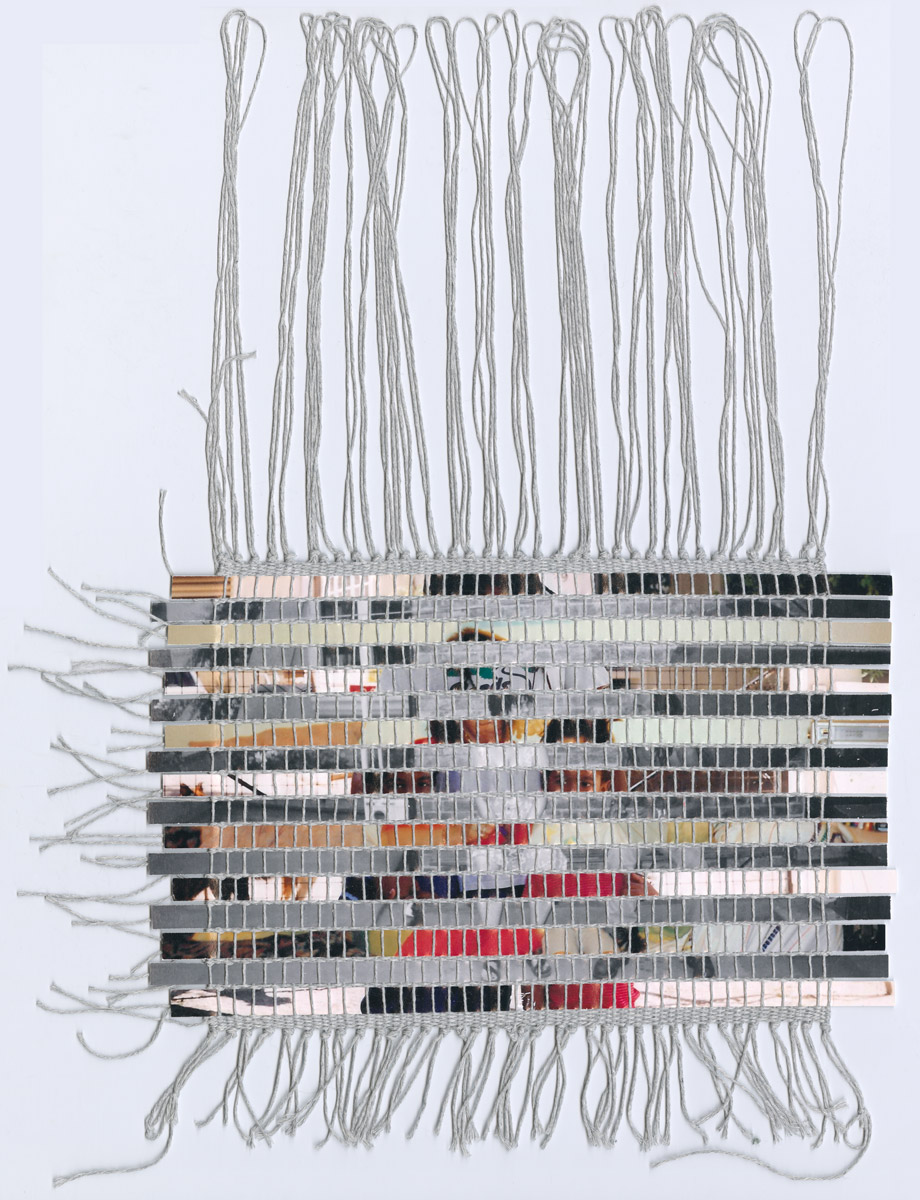
Aasha John, Leon and Jamaal II, 2026
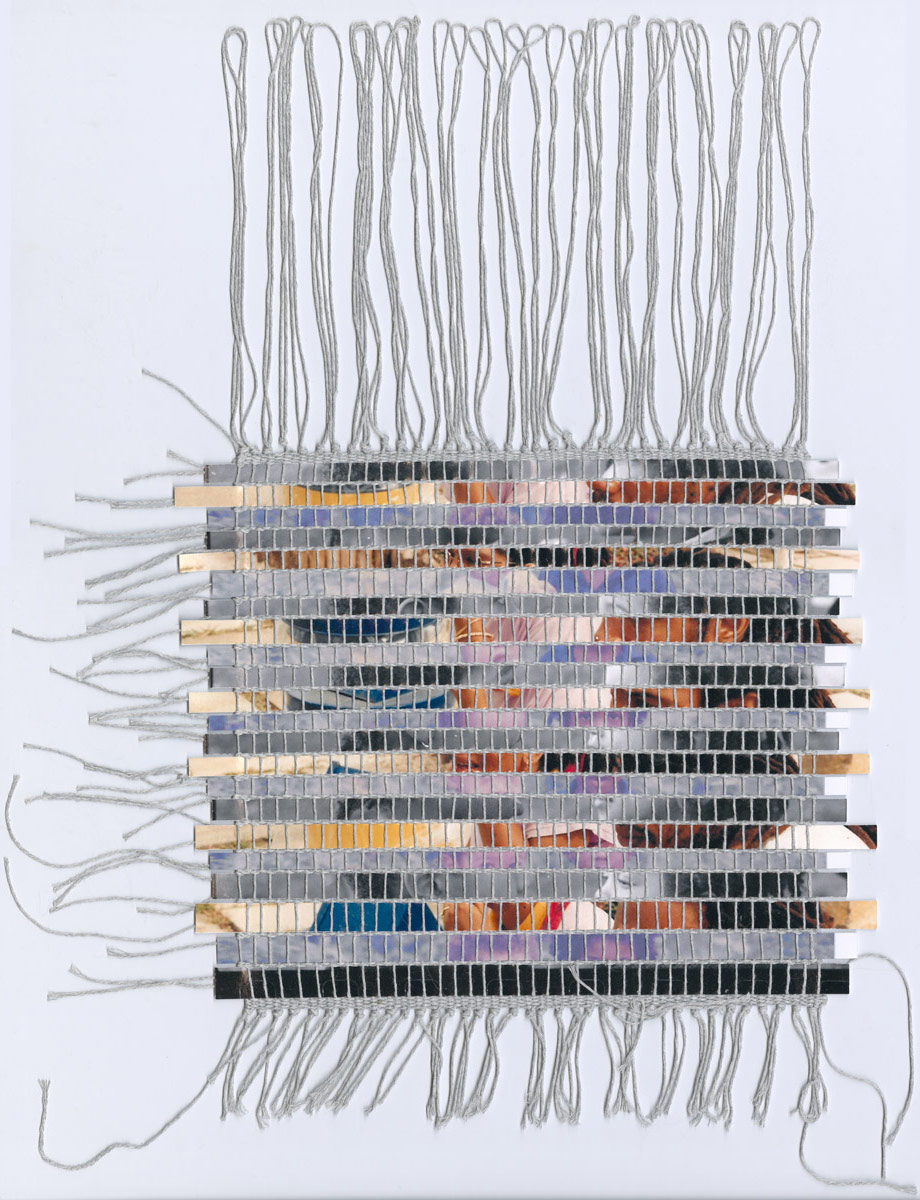
Aasha John, Leon and Jamaal III, 2026
JH: Having gone through this residency, how do you feel your relationship to yourself as an artist has evolved? And looking ahead, what do you think the future of your practice looks like from here?
AJ: In terms of my own personal practice, I want to develop the work further. A lot of the photographs have little handwritten notes or fragments attached to them, small memories of things, so I’d like to explore the inclusion of text as memory in the work. This body of work draws from a small number of photographs from the family archive and only a few conversations.
What’s been interesting is that although this began as a very personal experience, looking through these photographs and speaking to my family, when I’ve shared it with others, they have also felt a sense of connection to the work. Even though they are my family photographs, there are shared lived experiences within them: movement, migration and distance. I’d like to continue exploring that further.
I’ve also enrolled on to the Art Education, Culture and Practise MA at UCL and in terms of my teaching practice, I keep returning to this idea of big and small communities. I’m thinking more about the wider school community and thinking about whether I can recreate some of what happened through the Crafting Resistance Club by engaging parents and families. Can I create smaller community spaces where making becomes a way to develop relationships, build bonds and share experiences? I’d like to continue what I’ve started here, but through different iterations and in different contexts, and keep exploring where it can go.
JH: There’s something really important about being in a supportive school environment where you’re able to continue exploring your artistic practice outside of the classroom, and where those experiences can feed back into teaching and the wider school community. It feels like this residency has shown the value of giving teachers the freedom and flexibility to develop those connections beyond the school itself, and to bring those learnings, communities and experiences back into the classroom in meaningful ways.
AJ: I agree, especially within arts and creative subjects, where a lot of teacher training tends to focus on core subjects or more general things like behaviour management. There isn’t always much space, at least in my experience, for developing your creative teaching practice.
I think it’s really important, not just for students but for teachers as well, to have a network or community outside of school where you can share ideas and learn from others, especially because creative departments are often quite small. Time in schools feels very structured and fixed, you’re constantly moving onto the next lesson, the next deadline, the next task, and there isn’t always much time to sit and reflect. Having the physical space and the headspace to try things, share things and be part of a wider creative community has been really important.
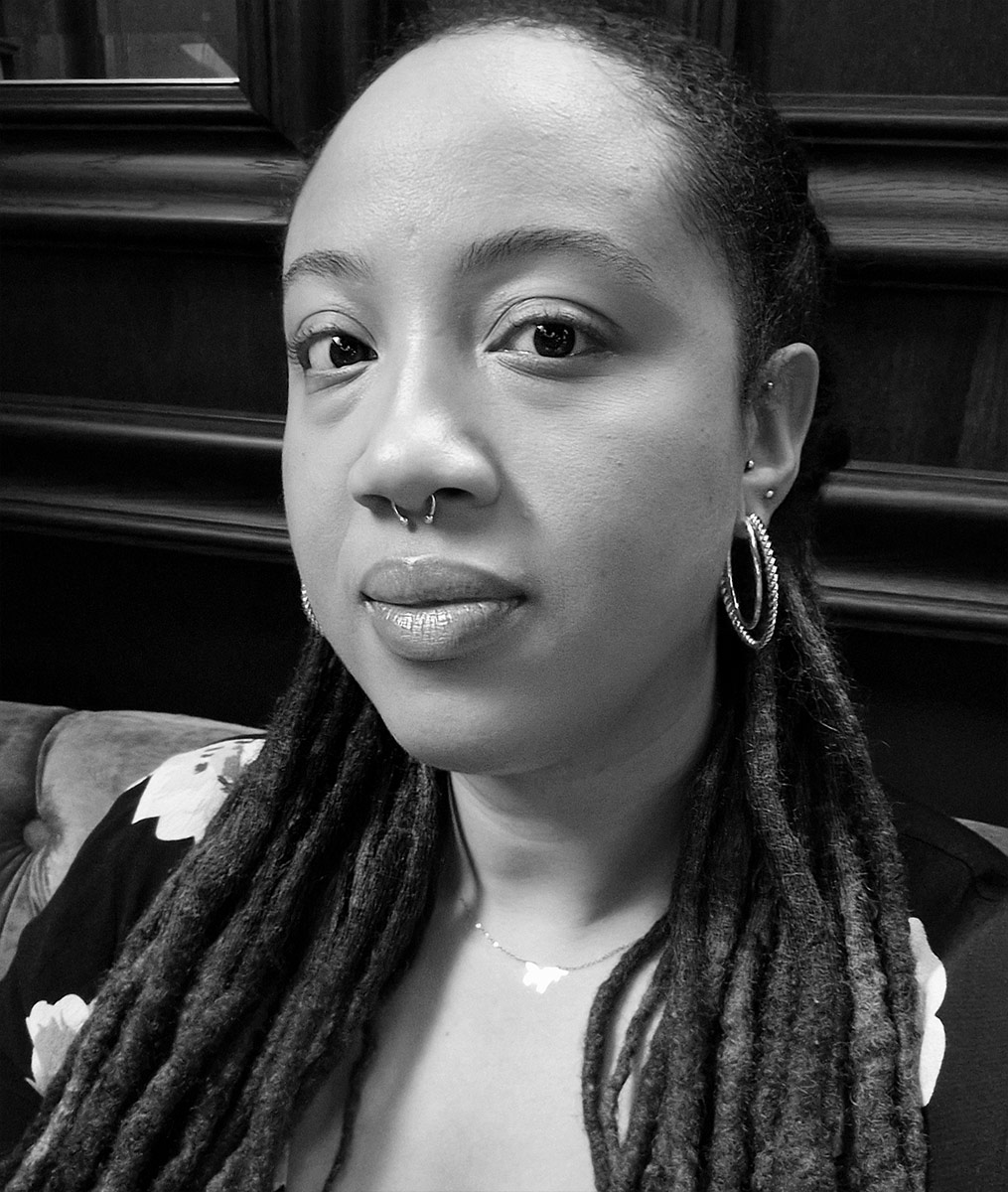
Aasha John (born 1989, Trinidad) is a London-based visual artist whose practice is rooted in storytelling and community. Exploring her relationship with places, often through collaborative or participatory practices, John invites the viewer to physically engage with her artwork and share her experiences, in turn contributing to the artwork themselves, often through printmaking or bookmarking.
She is interested in the artist's role as investigator and interpreter; probing their subject and conveying meaning in a way that engages the viewer and invites them to consider their relationship with the subject matter.
John studied Graphic Communication at University for the Creative Arts. She is Head of Art/Technology Faculty and Head of Art at Elizabeth Garrett Anderson School in Islington.
Supporting artist-teachers to develop a new body of work, within and beyond the school environment.
Find out more
.png "sample")


Banner image: Aasha John, Jo Anne and Robert II [detail], 2026. © and courtesy the artist.
Images on page: 1+2) Aasha John sharing her work with her students at Elizabeth Garrett Anderson School, 2026. Courtesy Autograph. 3) Image from Aasha John's family archive, 1989. 4) Aasha John, Jo Anne II, 2026. © and courtesy the artist. 5) Aasha John, Leon and Jamaal II, 2026. © and courtesy the artist. 6) Aasha John, Leon and Jamaal III, 2026. © and courtesy the artist.
About the artist: Courtesy Aasha John.
Join our newsletter and get the latest on Autograph’s exhibitions, events, open calls, digital content, books, prints and fundraising. Find out more.



Autograph is a space to see things differently. Since 1988, we have championed photography that explores issues of race, identity, representation, human rights and social justice, sharing how photographs reflect lived experiences and shape our understanding of ourselves and others.
Support our work

